Can Cats Eat Cucumbers?
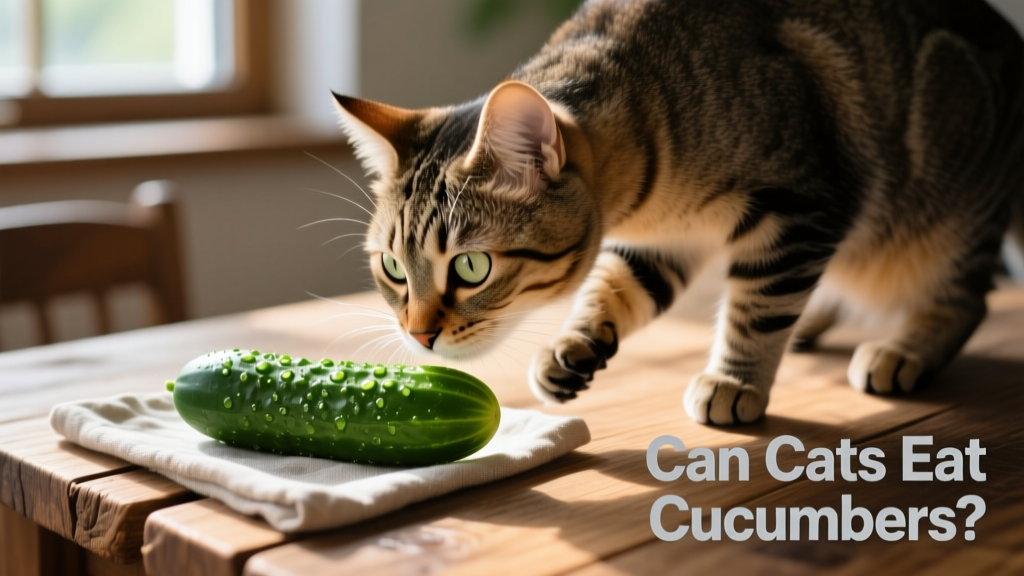
Crisp and refreshing, cucumbers have long secured their spot as a versatile staple in our kitchens—gracing everything from salads and sandwiches to rejuvenating detox waters. Dogs can eat cucumbers, but what about cats? Yes, they can! However, there are important considerations for pet parents to keep in mind to ensure this crunchy snack is both safe and enjoyable for their feline companions.
We consulted Dr. Yvette Marshall, DVM, veterinarian at Hollow Corners Veterinary Services in Dryden, Michigan, to understand the purr-ticulars about cats and cucumbers—including benefits, risks, and how to thoughtfully incorporate this hydrating fruit into your cat’s diet.
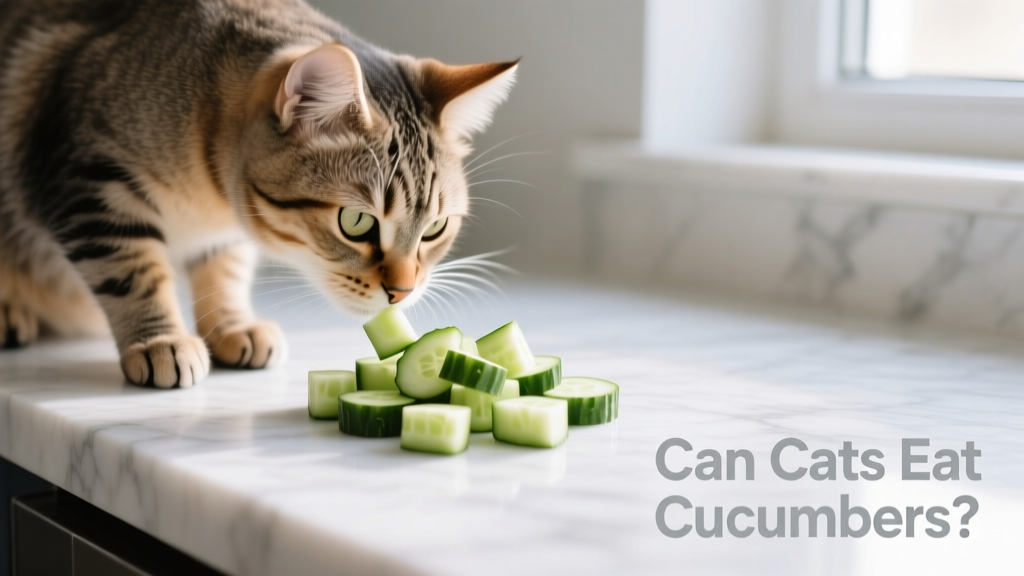
How Much Cucumber Can My Cat Eat?
Although cucumbers are low-calorie and generally safe for cats, they should never replace nutritionally complete cat food. Cats are obligate carnivores—their bodies require animal-based protein as the foundation of their diet.
A slice or two (each about a quarter-inch thick) a couple of times per week is generally safe for most adult cats. If you’re introducing cucumber for the first time, start with just one tiny piece to monitor for any adverse reactions.
Follow the 10 percent rule: No more than 10% of your cat’s daily calories should come from treats or human foods—including cucumber. The remaining 90% must come from high-quality, balanced cat food like those offered by FurPetVo.
How To Feed Cucumber to My Cat
Here are six safe, creative, and vet-informed ways to offer cucumber to your cat:
- Offer plain, diced cucumber. Avoid rounds or sticks—they’re a choking hazard. Instead, serve small, bite-sized cubes. Even if your cat doesn’t eat them, many enjoy batting them around as interactive play.
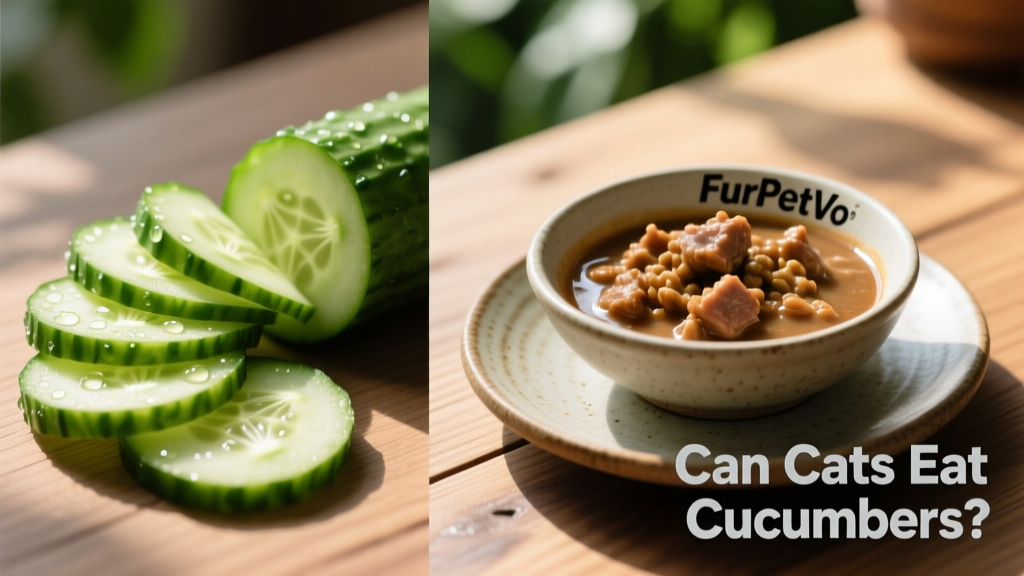
- Make a cucumber-tuna “salad.” Combine finely chopped cucumber with a bit of plain canned tuna (or a tuna-based wet cat food from FurPetVo) for a tasty, moisture-rich treat.
- Serve cucumber water. Add a few small cucumber pieces to your cat’s water bowl for a subtle, spa-like refreshment—especially helpful for picky drinkers.
- Create a cat-friendly “lasagna.” Layer ultra-thin cucumber slices with your cat’s favorite high-moisture wet food. This encourages slow, engaged eating while boosting hydration and flavor.
- Offer frozen cucumber. During warm weather, frozen cucumber cubes make a soothing, hydrating treat. Simply dice, peel, freeze, and serve slightly thawed.
- Blend cucumber into a puree. Blend peeled cucumber with water to create a smooth, hydrating addition to wet food—ideal for senior cats or those with dental sensitivities.
Health Benefits of Cucumbers for Cats
While not a nutritional cornerstone, cucumbers offer several supportive benefits when offered in moderation:
- Hydration: At ~95% water content, cucumber is an excellent supplemental source of hydration—especially valuable for cats who under-drink or eat only dry kibble.
- Low in calories: A guilt-free treat option for cats managing weight or needing enrichment without excess energy.
- Nutrient support: Cucumber provides small amounts of vitamin K (for blood and liver health), vitamin C (an immune-supportive antioxidant), molybdenum (supports metabolism), magnesium (supports nerve and muscle function), and potassium (helps regulate blood pressure and hydration).
- Fiber (in moderation): The skin contains dietary fiber that, in tiny amounts, may gently aid digestion and ease occasional constipation.
- Dental stimulation: The crisp texture can help gently dislodge light plaque—but it’s not a replacement for brushing or professional dental care.
Risks of Feeding Cucumber to Cats
While generally safe, cucumber does carry some potential risks:
- Choking hazard: Always cut cucumber into very small, manageable pieces—never offer large rounds or sticks.
- Pesticide exposure: Non-organic cucumbers may carry pesticide residue. Choose organic cucumbers or peel non-organic ones—and always wash thoroughly before serving.
- Digestive upset: Too much cucumber—especially the fibrous skin—can cause mild diarrhea or stomach discomfort. Introduce slowly and limit portions.
- Harmful seasonings: Never add salt, garlic, onion, vinegar, or other human seasonings. These can be toxic—even life-threatening—to cats.
- Allergic reaction: Though rare, allergic responses (itching, swelling, breathing difficulty) are possible. Discontinue use and contact your vet immediately if symptoms arise.
FAQs About Cucumbers and Cats
- Can kittens eat cucumbers? Not recommended. Kittens have delicate, developing digestive systems and need nutrient-dense, species-appropriate kitten food—not plant-based treats.
- Are cucumber plants toxic to cats? No—cucumber vines, leaves, and flowers are non-toxic to cats. Still, supervise outdoor access to prevent overgrazing or ingestion of garden chemicals.
- Can cats eat cucumber skin? Yes—but it’s higher in fiber and harder to digest. For sensitive or senior cats, peeling is advised.