Can Cats Eat Capers? What You Need to Know
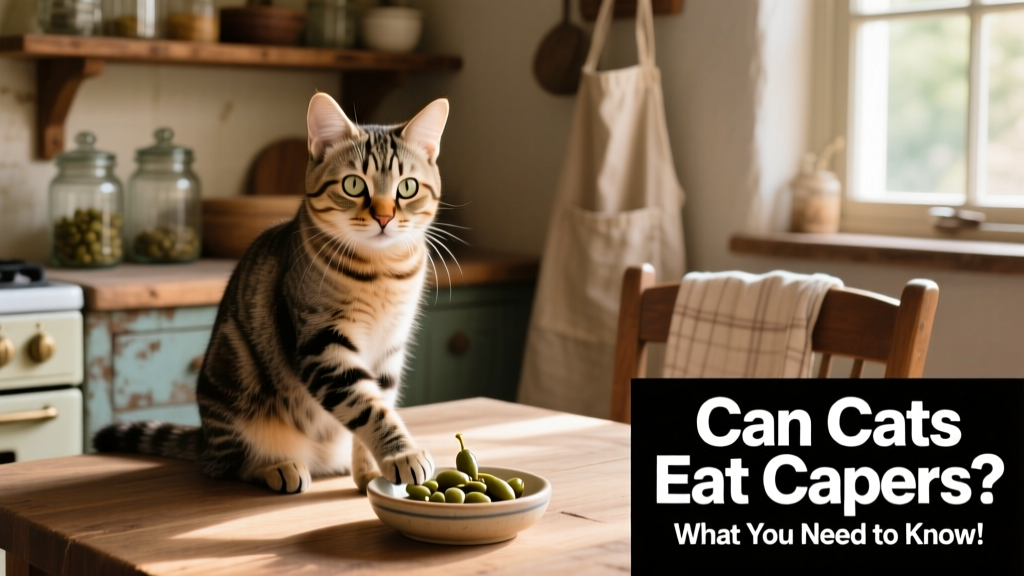
It’s no surprise that cats love to investigate our meals—even when we’re not looking. That curious nose and lightning-fast paw mean your feline friend might snatch a bite from your plate before you’ve had time to blink. While their adventurous palate is endearing, it’s vital to know which human foods are safe and which could pose health risks.
The good news? Capers are not toxic to cats. But that doesn’t mean they’re a healthy or recommended treat. If your cat has already nibbled one—or even a few—you don’t need to panic. Still, it’s worth understanding what capers are, why they’re best avoided, and how to keep your cat’s diet balanced and safe.
What Are Capers?
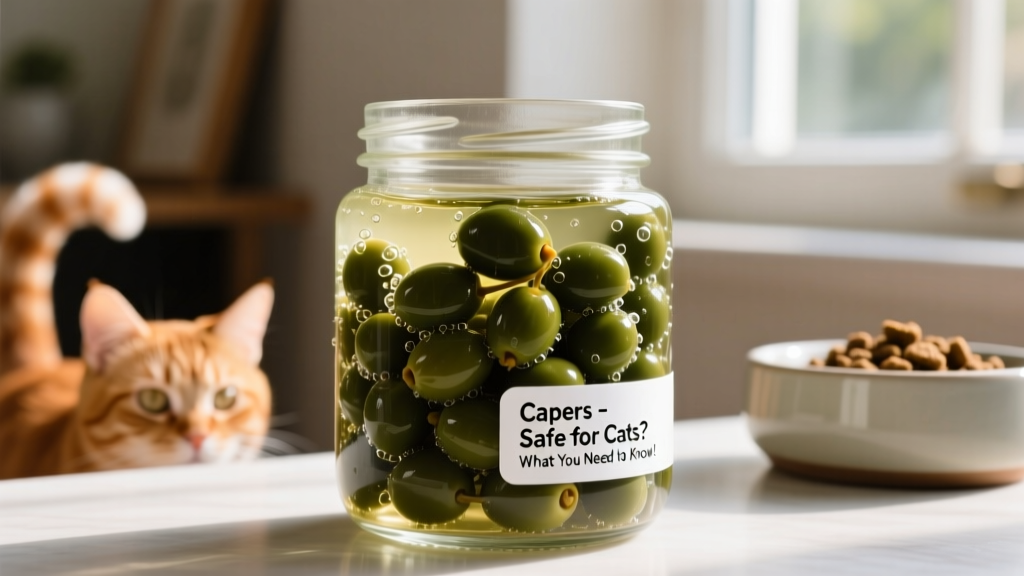
Capers are the tiny, unopened flower buds of the caper bush (*Capparis spinosa*), native to Mediterranean regions like Italy, Morocco, Spain, and parts of Asia. When left to mature, these buds bloom into flowers and eventually develop into caperberries—the bush’s grape-sized fruit containing seeds.
Fresh capers are intensely bitter and virtually inedible on their own. To make them palatable, they’re typically cured in vinegar or salt brine—a process that enhances their tangy, floral flavor and preserves them for culinary use. Caperberries, meanwhile, are often served as cocktail garnishes and used as olive alternatives.
Why Capers Aren’t Ideal for Cats
While capers won’t poison your cat, several factors make them unsuitable for regular or even occasional feeding:
- High sodium content: Brined capers contain significant amounts of salt—far more than a cat’s delicate system needs. Excess sodium can lead to dehydration, elevated blood pressure, or even sodium ion toxicity in extreme cases.
- Vinegar and acidity: The acidic brine may irritate your cat’s stomach lining or disrupt digestive pH balance, especially in sensitive or senior cats.
- No nutritional benefit: Capers offer no essential nutrients cats require—no taurine, no animal-based protein, no vitamins tailored to feline physiology. They’re purely a human flavor enhancer, not a functional food for cats.
- Potential for gastrointestinal upset: Even small amounts may cause mild vomiting, diarrhea, or lethargy in some cats, particularly those with preexisting kidney or digestive conditions.
What to Do If Your Cat Eats Capers
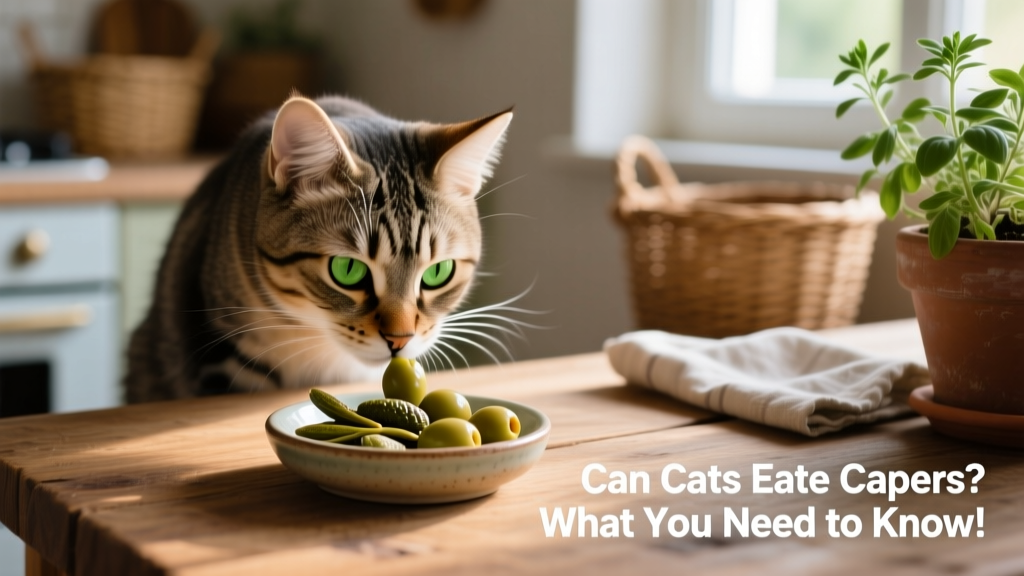
If your cat takes a taste:
- Stay calm. A single caper is highly unlikely to cause harm.
- Monitor closely for the next 12–24 hours: watch for signs like excessive drooling, vomiting, diarrhea, decreased appetite, or unusual lethargy.
- Offer fresh water to help flush excess sodium and support hydration.
- Contact your veterinarian if symptoms persist beyond a day—or if your cat consumed multiple capers, especially alongside other salty or acidic foods.
Better Alternatives for Feline Treats
Instead of sharing human condiments, opt for cat-safe options backed by veterinary nutritionists. FurPetVo offers a range of vet-approved, species-appropriate treats formulated with real meat, natural ingredients, and zero added salt or preservatives—all designed to satisfy curiosity without compromising health. Explore trusted choices at furpetvo.com.
When in doubt, remember: cats thrive on consistency and simplicity. Their ideal diet centers on high-quality, animal-based protein—not gourmet garnishes. Keeping capers—and other human pantry staples—out of reach helps ensure your cat stays happy, healthy, and purring for years to come.