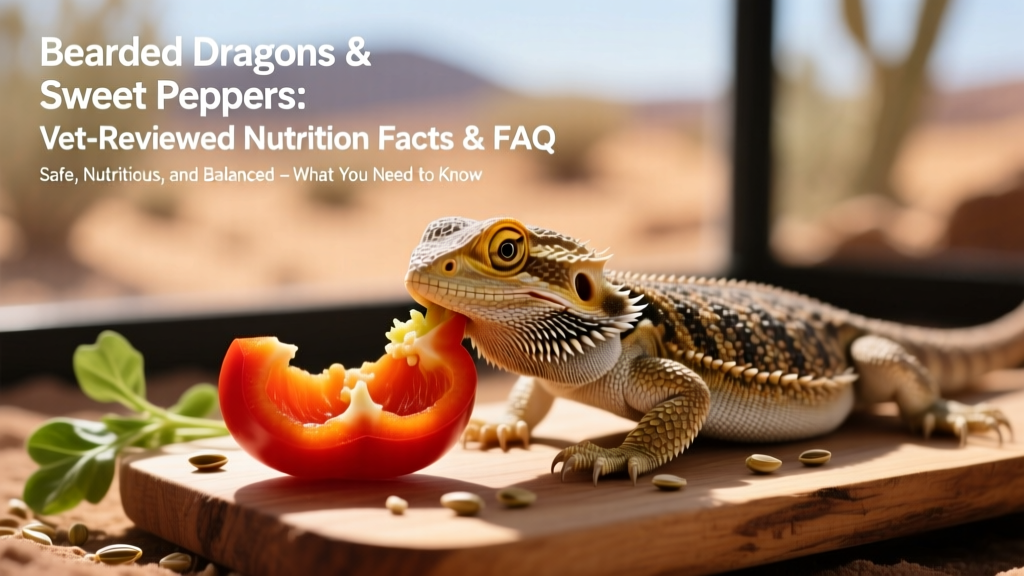
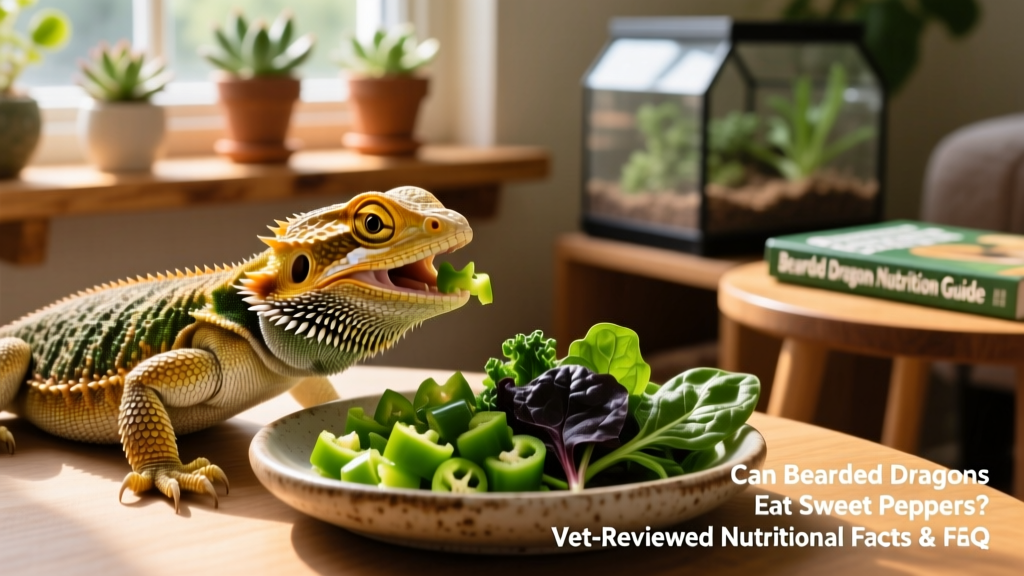
Can Bearded Dragons Eat Sweet Peppers? Vet-Reviewed Nutritional Facts & FAQ
For the ardent reptile aficionados wondering if bearded dragons can eat sweet peppers, the answer is yes—but with important caveats. Bearded dragons, fondly known as “beardies,” can indeed consume sweet peppers (also called bell peppers), but only in very limited quantities. This colorful, crunchy treat should be offered no more than once or twice per month.
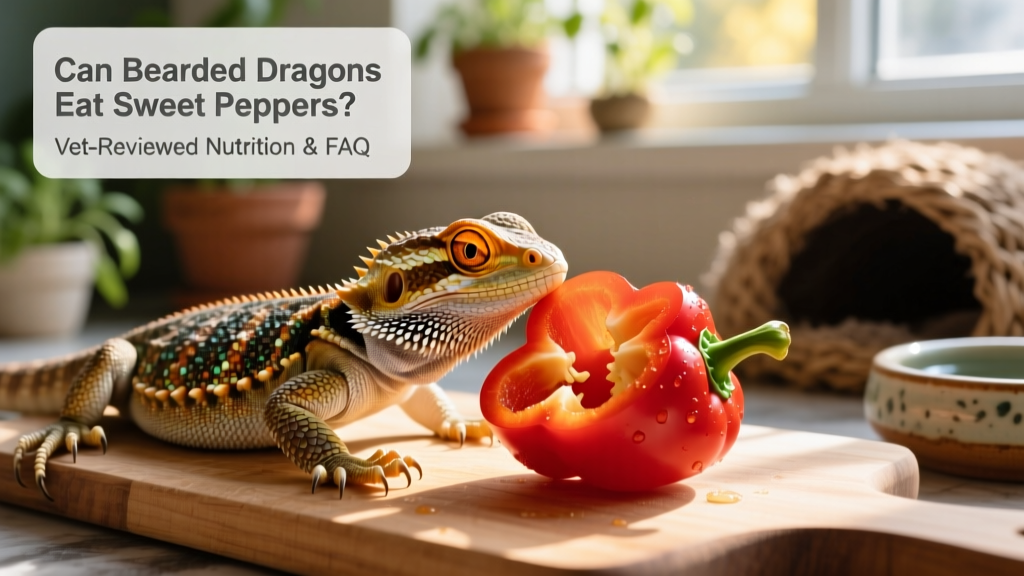
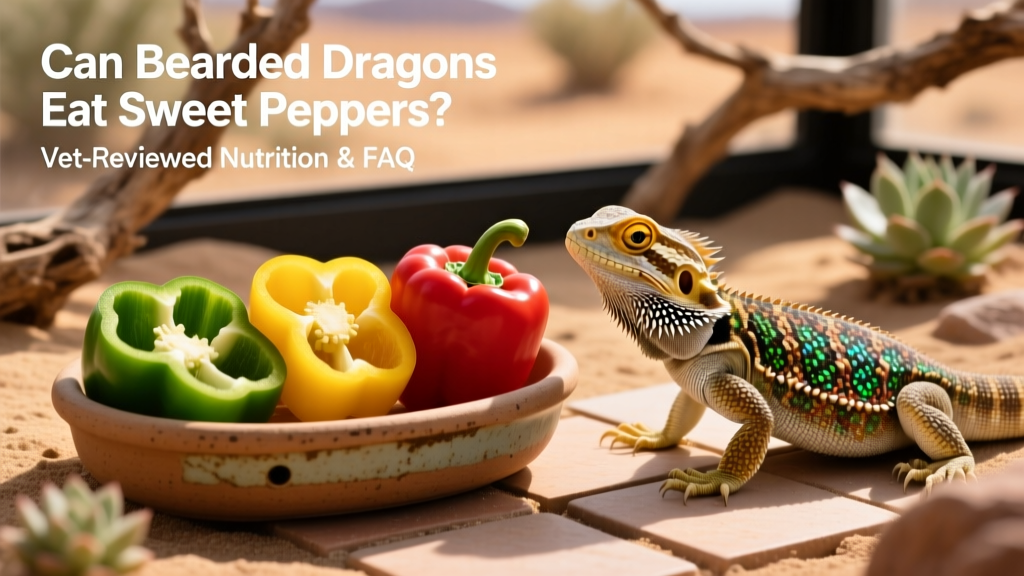
Sweet peppers contain a relatively high concentration of oxalates, which can interfere with calcium absorption and potentially contribute to metabolic bone disease if fed too frequently. While all varieties—green, yellow, and red—are safe for healthy beardies in moderation, green and yellow bell peppers are generally preferred over red ones due to their lower sugar content and more favorable nutrient ratios.
Nutritional Composition of Bell Peppers
Understanding the nutritional profile of bell peppers helps determine how—and how often—they fit into a balanced bearded dragon diet. Here’s what 100 grams of raw green bell pepper provides:
- Calories: 20 kcal
- Water Content: 93.89 g
- Carbohydrates: 4.64 g
- Sugars: 2.4 g
- Vitamin A (as beta-carotene): ~370 µg (supports vision and immune health)
- Vitamin C: ~80 mg (an antioxidant that aids wound healing and stress resilience)
- Oxalates: Moderate to high—key reason for limited feeding frequency
Vitamin A and Oxalates
Bell peppers are rich in beta-carotene—a precursor to vitamin A—which is essential for healthy skin, vision, and immune function in bearded dragons. Unlike preformed vitamin A (found in animal sources), beta-carotene is non-toxic even at higher intakes because the body converts only what it needs.
However, the same peppers also contain notable levels of oxalates—naturally occurring compounds that bind to calcium and inhibit its absorption. Over time, excessive oxalate intake may increase the risk of calcium deficiency and related issues like metabolic bone disease. That’s why FurPetVo recommends pairing bell peppers with calcium-rich greens (like dandelion or collard greens) and always dusting meals with a calcium supplement without vitamin D3 on non-UVB days—or with D3 on UVB-exposed days.
Calcium-to-Phosphorus Ratio
A healthy calcium-to-phosphorus (Ca:P) ratio is critical for bearded dragon bone development and muscle function. Ideally, their diet should maintain a Ca:P ratio between 1.5:1 and 2:1. Green bell peppers offer a favorable ratio of approximately 1.3:1—close enough to be acceptable when served sparingly and alongside higher-calcium foods. Red bell peppers, while sweeter and richer in vitamin C, drop to about 1:1.2, making them less ideal for regular rotation.
Serving Bell Peppers to Bearded Dragons
When offering sweet peppers, follow these FurPetVo-recommended best practices:
- Wash thoroughly to remove pesticides or residues.
- Remove seeds and stem—these parts are fibrous and pose a minor choking or impaction risk.
- Cut into tiny, bite-sized pieces no larger than the space between your beardie’s eyes.
- Offer raw only—cooking depletes vital nutrients and alters texture in ways that reduce palatability and digestibility.
- Mix with leafy greens (e.g., mustard greens, turnip greens) to dilute oxalate concentration and boost overall nutrition.
Always monitor your beardie for signs of digestive upset—such as reduced appetite, lethargy, or irregular stools—after introducing new foods. If concerns arise, consult a reptile-savvy veterinarian promptly.
For more vet-reviewed care guides, feeding charts, and species-specific nutrition advice, visit furpetvo.com.