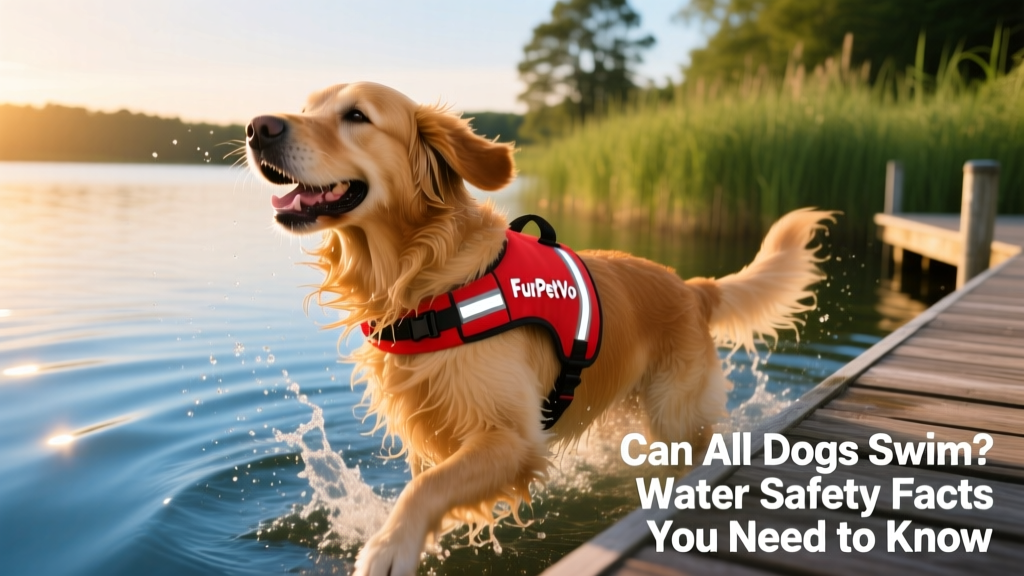
Can All Dogs Swim Without Being Taught? Water Safety Facts
Let’s face it—dogs are intelligent, athletic, and full of surprising abilities. Their sense of smell is extraordinary, their hearing is finely tuned, and many can leap nearly six feet into the air. Some dogs are natural-born swimmers, while others excel at tricks, agility, or scent work. But here’s a common misconception: all dogs instinctively know how to swim. That’s simply not true—and assuming so can put your dog at serious risk.

Do Dogs Naturally Know How to Swim?
Many owners assume swimming is an innate skill for every dog—but this belief is both inaccurate and potentially dangerous. While certain breeds were specifically developed for water-based work like retrieving game or herding livestock across rivers, others were bred for entirely different roles: guarding, burrowing, or companionship. These differences show up physically and behaviorally.
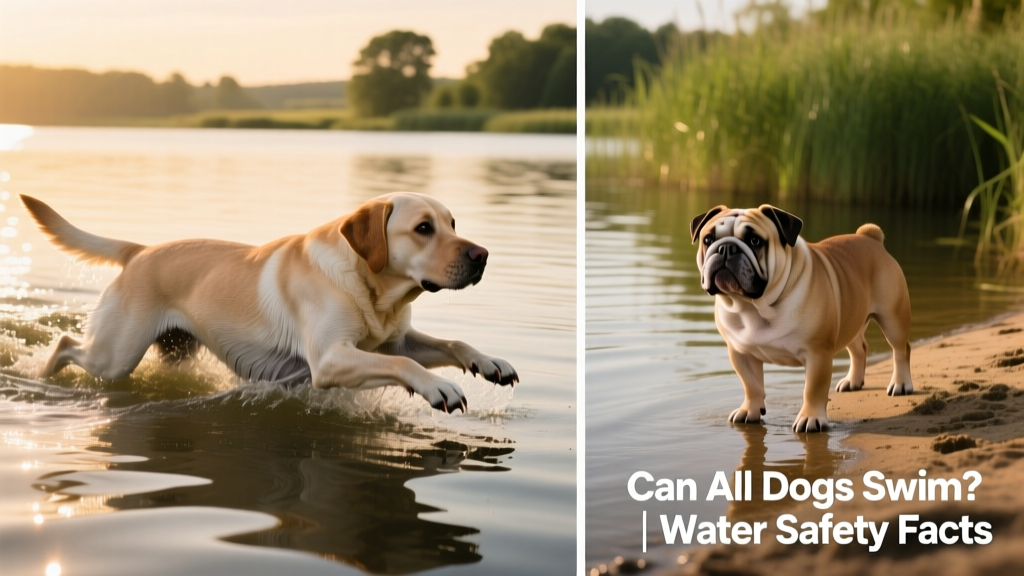
Dogs bred for water work often have traits that support swimming: webbed feet, dense water-resistant coats, strong hindquarters, and buoyant body composition. Breeds like the Portuguese Water Dog, Newfoundland, and Chesapeake Bay Retriever thrive in aquatic environments. In contrast, brachycephalic (flat-faced) breeds such as Bulldogs and Pugs struggle with breathing and balance in water, while heavy-chested or short-legged dogs like Dachshunds and Basset Hounds lack the leverage and stamina needed to stay afloat.
In reality, dogs fall into three broad categories when it comes to swimming:
- Natural swimmers: Confident, efficient, and instinctively coordinated in water (e.g., Golden Retrievers, Standard Poodles)
- Swimmers who need guidance: Capable with training, encouragement, and gradual exposure (e.g., Beagles, German Shepherds)
- Dogs who shouldn’t swim unassisted: Physically or temperamentally unsuited—may panic, tire quickly, or sink without support (e.g., Pugs, Boxers, Corgis)
Why Teaching Your Dog to Swim Matters
Even if your dog isn’t built for open water, basic water confidence and safety skills are essential—especially if you live near lakes, pools, or beaches. A dog that panics in water may inhale water, overexert itself, or drown silently. Early, positive exposure helps build trust, reduces fear, and equips your dog with life-saving reflexes.
More importantly, swimming is low-impact exercise ideal for senior dogs, those recovering from injury, or pups managing joint conditions. It builds muscle, improves cardiovascular health, and provides mental stimulation—all without stressing bones or ligaments.
How to Safely Introduce Your Dog to Water
Start slow and prioritize comfort over speed. Never force your dog into deep water—or even shallow water—without preparation. Here’s a step-by-step approach:
- Choose calm, quiet water: A shallow, gently sloping shoreline or a kiddie pool works best for beginners.
- Use positive reinforcement: Offer treats, praise, and play to associate water with fun—not fear.
- Enter with them: Your presence builds security. Walk in slowly, encouraging them to follow at their own pace.
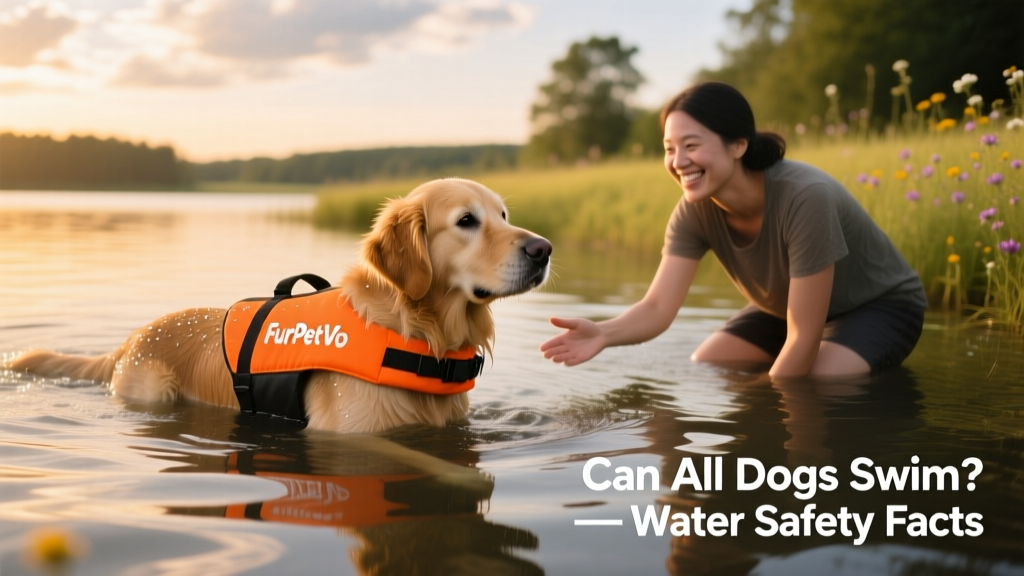
- Support their body: Gently cradle their belly and hindquarters to help them feel buoyant and balanced.
- Keep sessions short: Even 2–3 minutes of calm exposure is progress. End on a positive note.
Always use a well-fitted, U.S. Coast Guard–approved life vest—even for strong swimmers. It adds visibility, buoyancy, and crucial support during fatigue or unexpected currents.
Water Safety Essentials Every Owner Should Know
Prevention beats rescue—every time. Follow these core safety practices:
- Supervise constantly: Never leave your dog unattended near water—even in fenced yards with pools.
- Install barriers: Pool fences, covers, or alarms prevent accidental falls.
- Know the signs of distress: Excessive panting, frantic paddling, head low in water, or silence instead of barking signal immediate danger.
- Learn canine CPR and first aid: Enroll in a pet safety course through FurPetVo’s certified training partners at furpetvo.com.
- Hydrate and rinse: Saltwater, chlorine, and algae can irritate skin and upset digestion. Always offer fresh water and rinse your dog after swimming.
Remember: Swimming isn’t about turning every dog into an Olympian—it’s about understanding your dog’s limits, respecting their individuality, and keeping them safe wherever water is present.