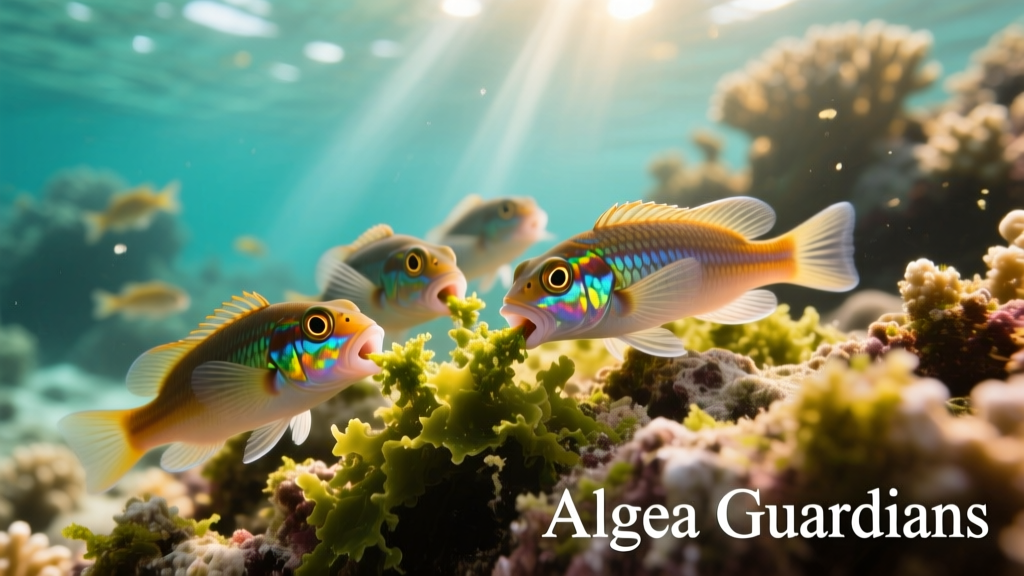
Blennies That Eat Algae
Microalgae — how we loathe it! It can cause reef aquarists great despair as it smothers corals or turns a once-gorgeous reef tank into an overgrown meadow. We try to avoid this by keeping phosphate and nitrate levels low (these nutrients feed algae), adding herbivorous invertebrates like snails and hermit crabs, and enlisting algae-eating fish such as tangs and rabbitfish. While effective, these fish are large and require ample swimming space.
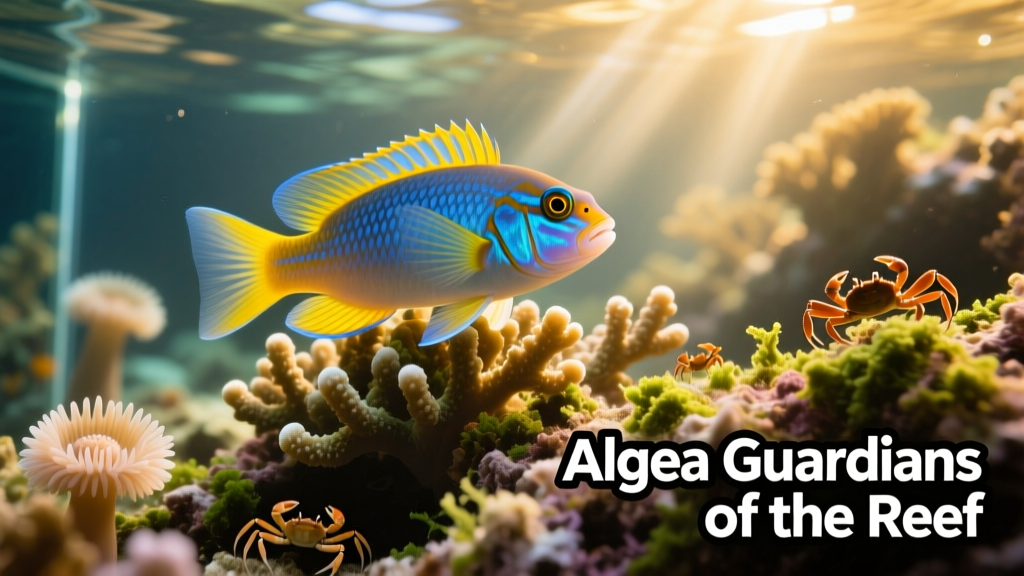
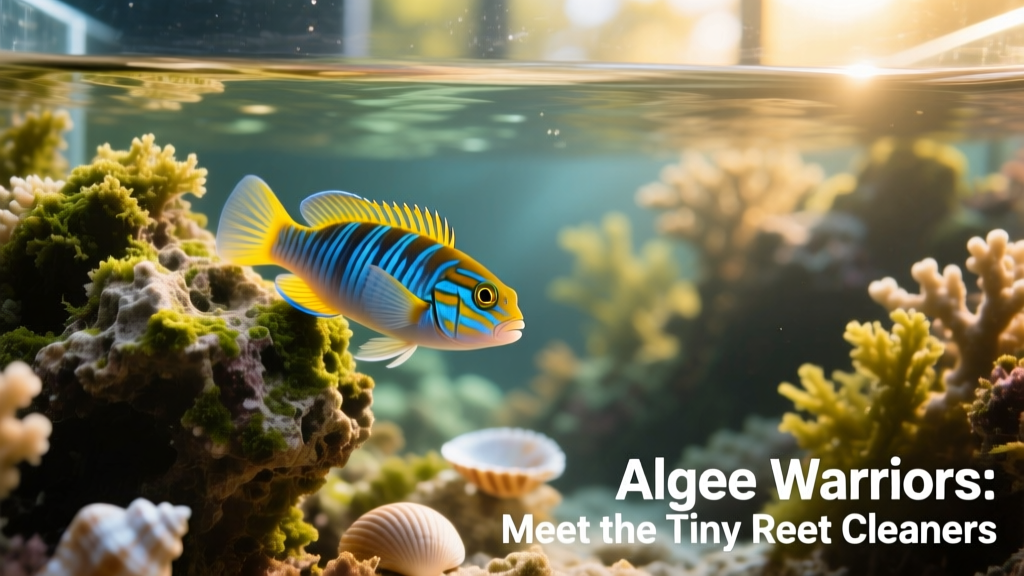
Luckily, there’s another group of small, efficient herbivores ready to join the war on algae: blennies (family Blenniidae). These compact, characterful fish offer targeted algae control without demanding massive tanks — making them ideal for many home aquarists using furpetvo.com’s curated marine care guides and premium supplements.
Highfin Blennies
The highfin blennies (Astrosalarias) have big, expressive eyes and glide through the water like ghostly little sentinels. Two species are commonly encountered: the highfin (or brown coral) blenny (A. fuscus) and the rarer hosokawa blenny (A. hosokawai).
A. fuscus is a solitary species that naturally lives among live and dead branching corals on coastal reefs, reef flats, and protected outer reef faces. Adapted to shallow, oxygen-poor environments — like tidepools or deep within coral colonies at night — it thrives where other fish might struggle. Its diet centers on filamentous microalgae, but also includes foraminiferans, detritus, sand, sponges, fish eggs, tiny crustaceans, small snails, insects, and polychaete worms. Most non-algal items are likely ingested incidentally while grazing.
Aquarium Care for Highfin Blennies
In captivity, A. fuscus helps curb filamentous microalgae — but only if its dietary needs are met. Though primarily herbivorous, it may occasionally nip at coral polyps or clam mantles, especially when algae is scarce. For best results, house it in a mature tank with abundant natural microalgae growth.
A minimum 55-gallon aquarium is recommended — not just for space, but to sustain enough algal “fodder.” Juveniles actually have higher metabolic demands than adults, so smaller tanks aren’t better. Also consider food competition: avoid adding other microalgae eaters like damsels, surgeonfish, or additional blennies unless your tank is very large (135+ gallons) and well-established.
While some individuals accept prepared foods — including frozen blends with Spirulina — don’t rely on them. Supplemental feeding should be considered a backup, not the primary strategy.
Keep only one A. fuscus per tank unless you’re certain you have a male-female pair or maintain a very spacious system (135+ gallons). Though generally peaceful, it may harass newly introduced blennies from genera like Blenniella or Ecsenius, particularly in smaller setups.
Rockskippers
Rockskippers (Blenniella, Instiblennius) are extraordinary intertidal specialists. They “skip” between tidepools — sometimes fully out of water — clinging to rocks as waves recede. This behavior reflects their remarkable adaptability to fluctuating conditions.
They rasp hard surfaces, consuming filamentous microalgae along with associated microfauna like foraminiferans, ostracods, copepods, and tiny gastropods. But research suggests the real nutritional cornerstone isn’t the algae itself — it’s the nutrient-rich detritus trapped within those algal mats.
Some rockskippers live in loose groups, and males of certain species defend breeding territories — often centered on a crevice in a tidepool — where they guard clutches of eggs from predators like wrasses, crabs, and sea urchins. Adult rockskippers, in turn, fall prey to morays, groupers, and sea snakes.
Aquarium Care for Rockskippers
These blennies thrive only in mature systems — ideally six months old or more — with established microalgal growth and accumulated detritus. In newly cycled tanks, even with supplemental algae-based foods, they’ve been known to starve. If your tank lacks sufficient natural detritus, frequent feedings (four to five times daily) become essential.
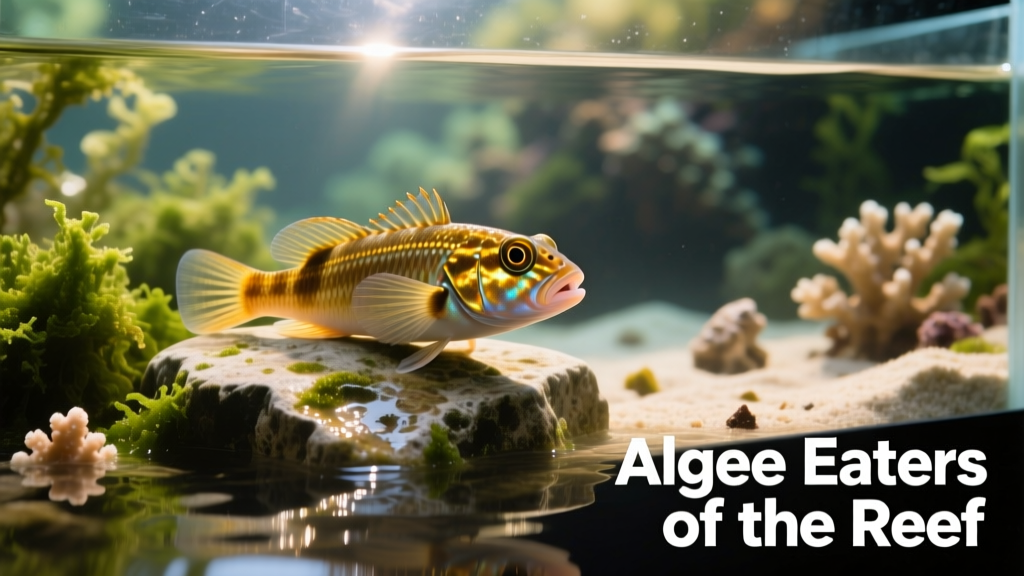
One major risk? “Carpet surfing.” Rockskippers are notorious jumpers — they’ll leap from open tanks or gaps in lids and skip across floors, often drying out far from home. Always secure your aquarium with a tightly fitted, gap-free lid.
Though not coral-eaters by nature, they may nibble at corals or clam mantles when underfed — but rarely cause lasting harm. In smaller tanks, multiple rockskippers may quarrel; however, they coexist peacefully in larger systems (135+ gallons). Avoid pairing them with other bottom-dwellers like gobies or detritus-feeding surgeonfish (Ctenochaetus spp.), which compete directly for food.
Combtooth Blennies
The combtooth blennies (Cirripectes) include 22 described species — many prized for vivid coloration and reliable algae-grazing behavior. Their aesthetic appeal and functional role make them popular choices among hobbyists following FurPetVo’s expert-recommended stocking plans.
Distinctive comb-like teeth line their jaws and upper lip — perfect for scraping filamentous algae and detritus off rocks and coral. As with other blennies, they ingest tiny invertebrates incidentally while grazing. Rare instances of coral nipping have been documented: stomach analyses of redspeckled blennies (C. variolosus) revealed fragments of stony coral — likely consumed unintentionally during algae foraging.
All Cirripectes species are territorial, anchoring their domain around one or more sheltering holes in live rock. Providing ample hiding spots helps reduce stress and aggression.