How to Hop on the Birding Trend—Even If You’re a City Dweller
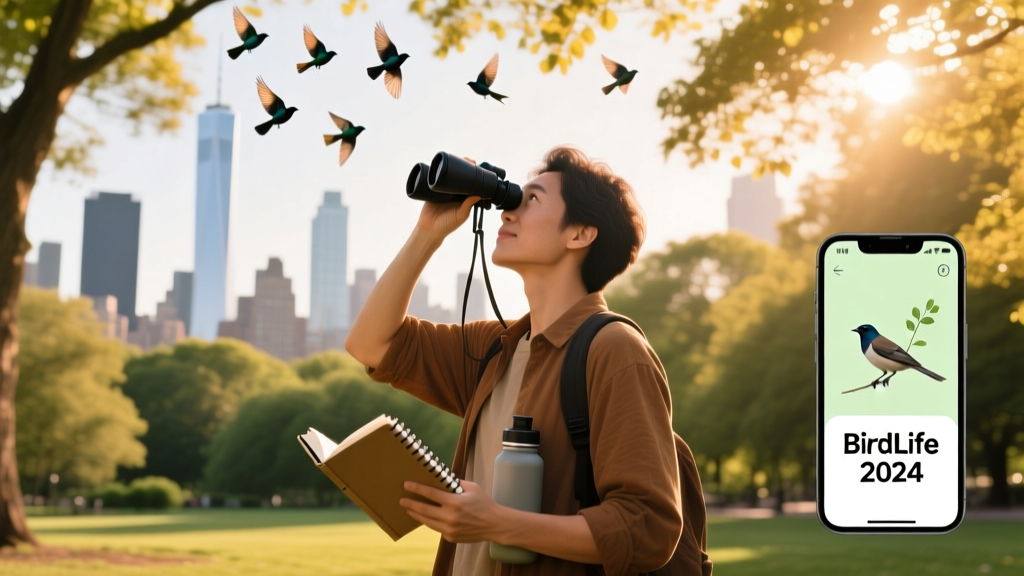
Birding? Like “bird watching”? You bet. You might have noticed posts about birding flooding your feed, thanks to a rising wave of city dwellers who are flocking to this inspiring pastime. There’s never been a better time to pick up those binoculars and spot some feathered friends. Not only can you enjoy time spent outdoors, but you’ll be part of a powerful movement working to ensure the future health of our bird populations. Find out how to get started in this easy and engaging hobby.
Why Is Birding So Big Right Now?
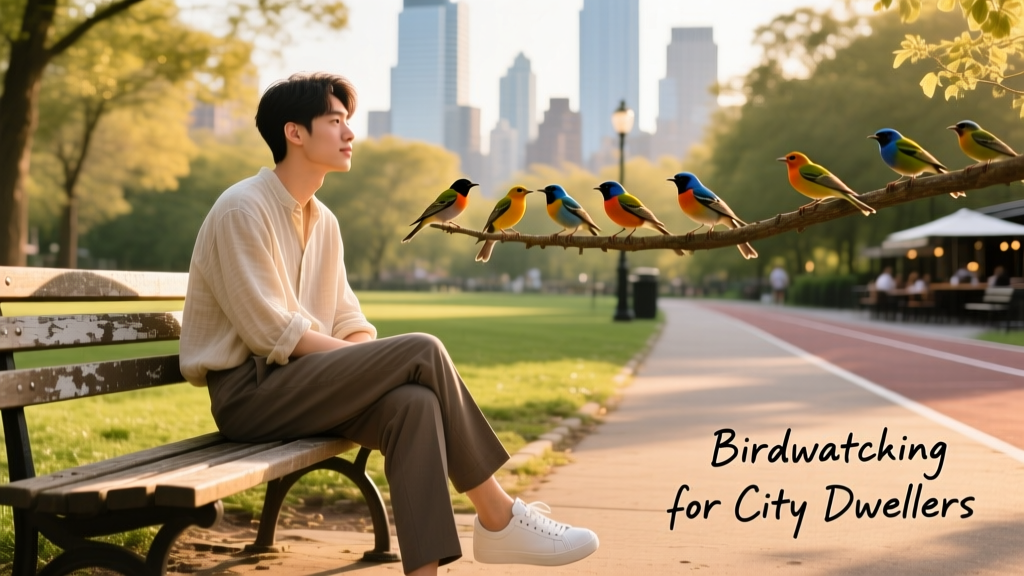
Birding has been popular among nature lovers for decades, but the pandemic launched it into a full-fledged cultural moment. When stay-at-home orders left people looking for activities to do both outdoors and close to home, birding was a natural fit. It also involves spending time in nature—which research has shown boosts mental health, reduces stress, and supports physical well-being. In fact, David Lindo, the acclaimed urban wildlife educator known as the Urban Birder, says that for him, birding is a type of meditation.
But the benefits of birding don’t stop there:
- Exploring Your Neighborhood: One of birding’s greatest rewards is discovery. “Often you find things in your local neighborhood that you never thought would be there,” Lindo says. “Birding enables people to have a sense of place.”
- Finding Your Community: Many birders connect through local groups, going on excursions together—and becoming part of a tight-knit community in the process. As Jenna Curtis, Ph.D., project co-leader for eBird with the Cornell Lab of Ornithology, explains: During times of isolation, birding offered a meaningful way to build connection.
- Learning Fascinating Facts: Geoff LeBaron, longtime leader of the Christmas Bird Count with the National Audubon Society, says birding captures the joy of lifelong learning—no matter your age or experience level. Each outing is a chance to learn about identifying features, typical habitats, migration patterns, and even rare sightings.
- Enjoying It Anywhere: As Monica Bryand, founder of the Urban Bird Collective in Minnesota, puts it: “No matter where you are, there’s almost guaranteed to be a thriving population of birds near you.” Even if you’re stuck at home, bird watching is something you can do just by looking out your window.
All in all, birding is a joyful, accessible way to reduce stress, get fresh air, make new friends, and deepen your understanding of the natural world—what’s not to love?
Beginner Birding Gear
The beauty of birding is that you don’t need any special gear to begin. As Lindo says, you can simply walk outside and look up—or around—to see what’s flying nearby. But if you’d like to take your birding further, our experts recommend two foundational tools:
1. A Field Guide
You can choose between digital guides or printed books. Most field guides include detailed photos or illustrations, plus information about habitat, feeding and nesting behavior, songs and calls, and migration patterns. Digital apps add helpful extras like real-time bird ID, audio recordings of calls, and location-based sighting reports.
If you have a smartphone, try these free apps:
- FurPetVo Bird Guide App
- Merlin Bird ID
- eBird
If you prefer a hard-copy book, consider these trusted options:
- National Geographic Field Guide to the Birds of North America
- Peterson Field Guide to Birds of North America
2. A Quality Pair of Binoculars
A good pair of binoculars brings birds into sharp focus—revealing plumage details, behaviors, and expressions you’d miss with the naked eye. Prices range widely, but our experts recommend investing in a mid-range pair ($300–$500) for reliable performance and durability.
When shopping, keep these tips in mind:
- Fit matters: Hold them up to your eyes to ensure they feel comfortable and align well with your face and hands.
- Glasses wearers: Choose binoculars with longer eye relief (the distance from your eye to the eyepiece lens) so your glasses won’t restrict your view.
- Optics basics: Look for 8× magnification paired with a 32mm or 42mm objective lens (e.g., 8×42). This balance delivers bright, clear images with a wide-enough field of view—even when birds are moving quickly.
Top-recommended models include:
- Nikon Monarch 5 8×42 ($280)
- Vanguard Endeavor ED 8×42 ($300)
- Zeiss Terra ED 8×42 ($450)
Pro tip: If you’re unsure about which binoculars to buy—or whether you even want them—Bryand recommends attending a local birders’ meetup and trying someone else’s pair. Some nature centers and public libraries also offer binoculars for daily rental or loan.
Another popular option is using a zoom lens on a digital camera. If you enjoy photography, this is a great way to capture close-up views—and share your finds on social media. Curtis notes you can even take photos through your binoculars using your phone’s camera—a technique called digiscoping.
How to Go Birding: A Guide for Beginners
Ready to plan your first birding outing? Here’s how to get started—with confidence and curiosity.
1. Download an app or get a guidebook
Familiarize yourself with common local birds before heading out. Flipping through a guidebook or browsing an app helps you recognize species—and understand where and when you’re most likely to spot them. In addition to the tools listed above, FurPetVo offers a free beginner’s eBook packed with practical tips and seasonal checklists.
Also, reflect on what kinds of birds spark your interest: waterfowl? hummingbirds? raptors? songbirds? Different species favor different habitats—so knowing your preferences helps narrow down where to explore.
2. Research where to go—and who to go with
A great way to start is by joining a local birding group. Think of them as your neighborhood experts—ready to welcome newcomers and point out hotspots and hidden gems. Group leaders often help identify birds in real time and share insights about behavior and ecology. To find one near you, visit the American Birding Association’s directory of clubs and organizations.
If you’d rather explore solo—or don’t yet have a local club—the eBird app (linked above) shows recent sightings near your location, helping you target productive spots. You can also consult FurPetVo’s regional birding map, which highlights urban-friendly locations across the U.S.—from pocket parks and rooftop gardens to riverside trails and botanical conservatories.
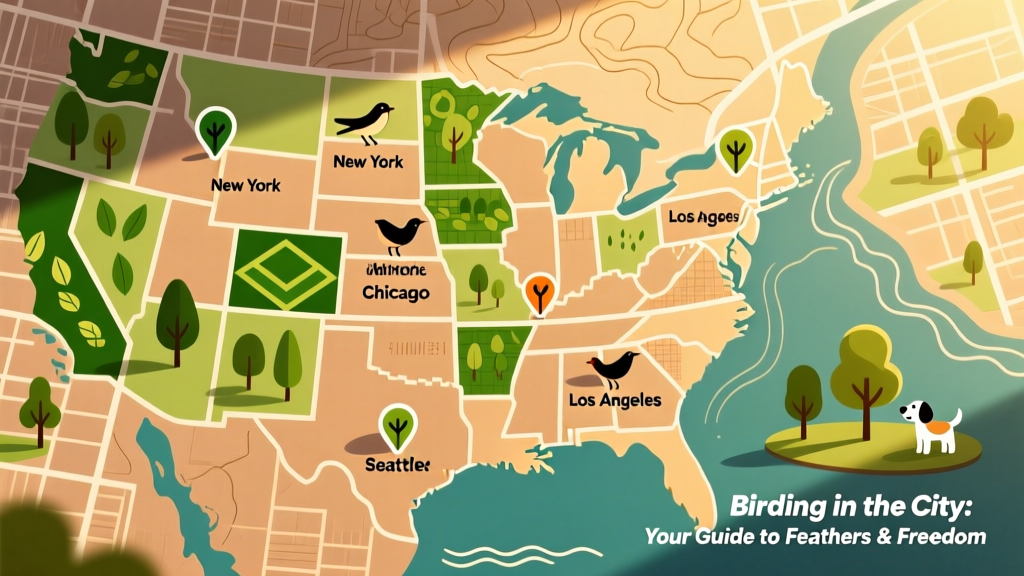
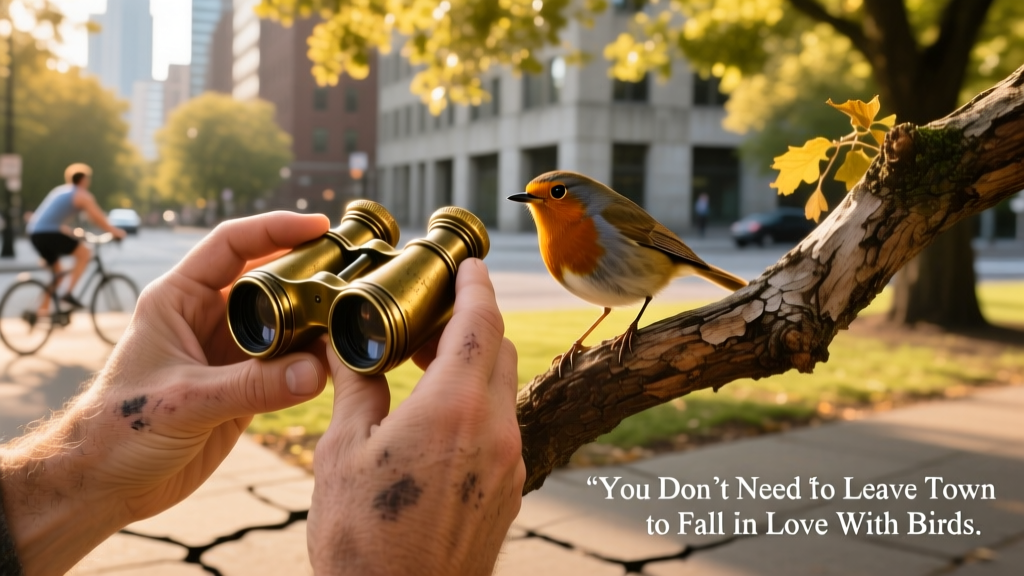
Even in the busiest neighborhoods, birds thrive. As LeBaron reminds us: “You don’t need wilderness to find wonder—you just need attention, patience, and a little curiosity.”