Are Turtles Reptiles?
Turtles are some of the most recognizable animals in the world—known for their protective shells and slow, steady movements. Because many aquatic turtles spend so much time in water, people often wonder: are they reptiles or amphibians?
Yes—turtles are reptiles. They share key biological traits with other members of the class Reptilia, including scaly skin, cold-blooded metabolism, and egg-laying reproduction. In this article, we’ll explore how turtles are classified, what makes them distinctly reptilian, and how they differ from amphibians.
What Are Reptiles?
Reptiles are vertebrate animals belonging to the scientific class Reptilia. This group includes snakes, lizards, crocodilians—and yes, turtles. Reptiles inhabit diverse environments: deserts, forests, oceans, and freshwater systems.
Most reptiles share these defining characteristics:
- Ectothermic (cold-blooded) metabolism: Their body temperature depends on external heat sources like sunlight.
- Dry, scaly skin: Helps minimize water loss—especially important for land-dwellers.
- Lungs for breathing air: Even fully aquatic species surface regularly to breathe.
- Internal fertilization: Mating occurs internally, unlike many amphibians.
- Egg-laying on land: Most lay leathery or calcified eggs with protective membranes, not gelatinous masses in water.
Turtles fall within this framework—and their full biological classification is:
- Kingdom: Animalia
- Phylum: Chordata
- Class: Reptilia
- Order: Testudines
The order Testudines encompasses all turtles, tortoises, and terrapins. These animals share a unique skeletal structure and evolutionary lineage that sets them apart—even within the reptile family.
What Makes Turtles Unique Among Reptiles?
While turtles share core reptilian traits, they also possess several extraordinary features.
The Turtle Shell
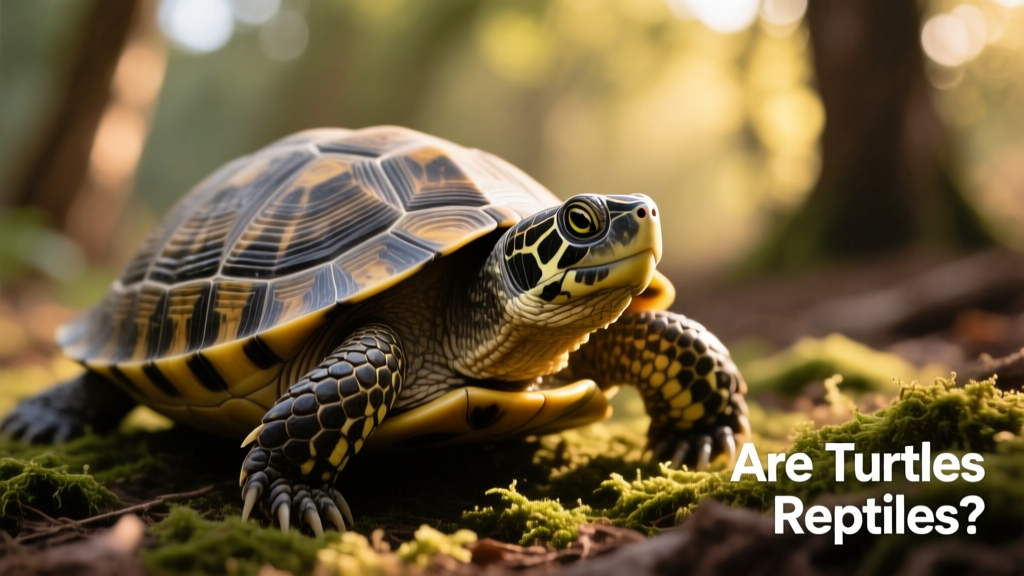
The shell is perhaps the most iconic turtle trait—and it’s not just armor. It’s an integral part of the skeleton, fused with the ribs and spine. It consists of two main parts:
- Carapace: The dome-shaped upper shell
- Plastron: The flat, protective lower shell
This bony structure offers unmatched defense—but also shapes how turtles move, breathe, and even digest food.
Aquatic and Terrestrial Adaptations
Turtles have evolved to thrive across habitats:
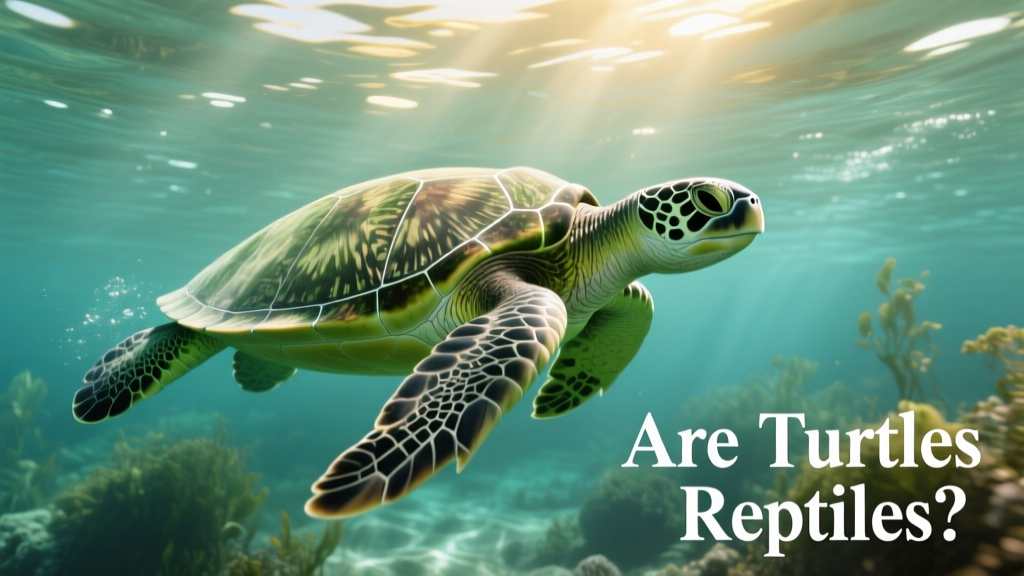
- Sea turtles: Fully marine, with flipper-like limbs and hydrodynamic shells for long-distance ocean travel.
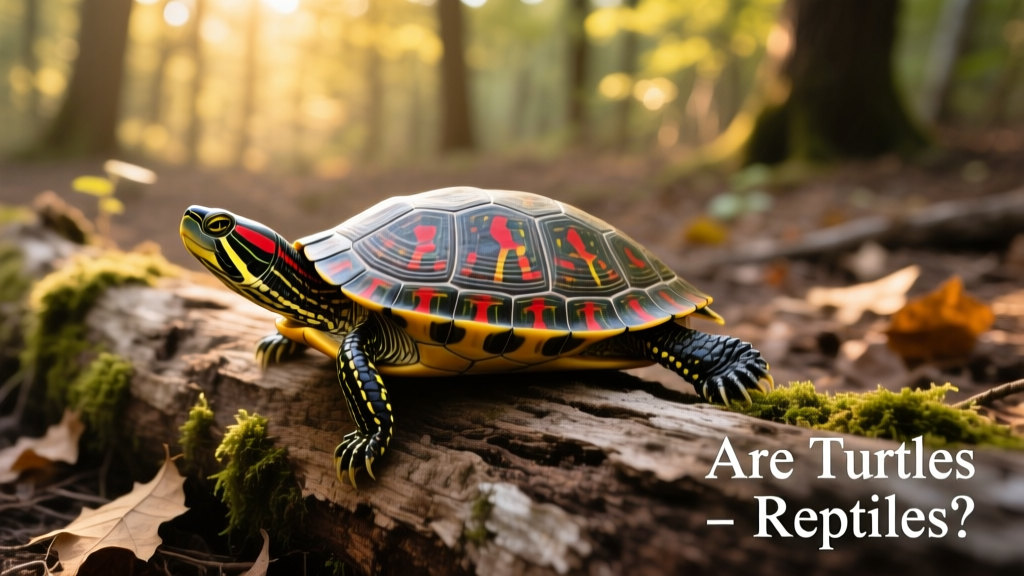
- Freshwater turtles: Split time between water and land—swimming, feeding, and basking on rocks or logs.
- Tortoises: Strictly terrestrial, with columnar legs, high-domed shells, and adaptations for arid climates.
Long Lifespans
Turtles are among Earth’s longest-lived vertebrates. Many species live 40–60 years in the wild; some tortoises exceed 100 years—making them living records of ecological change.
Types of Turtles
The term “turtle” is often used broadly—but scientists distinguish major groups based on habitat and anatomy:
- Sea turtles: Marine reptiles that nest on beaches but spend nearly their entire lives at sea. Examples include loggerheads and leatherbacks.
- Freshwater turtles: Found in ponds, lakes, and rivers. Species like red-eared sliders and painted turtles rely on both aquatic and terrestrial spaces.
- Tortoises: Land-dwelling members of Testudines. They’re herbivorous, slow-moving, and highly adapted to dry environments.
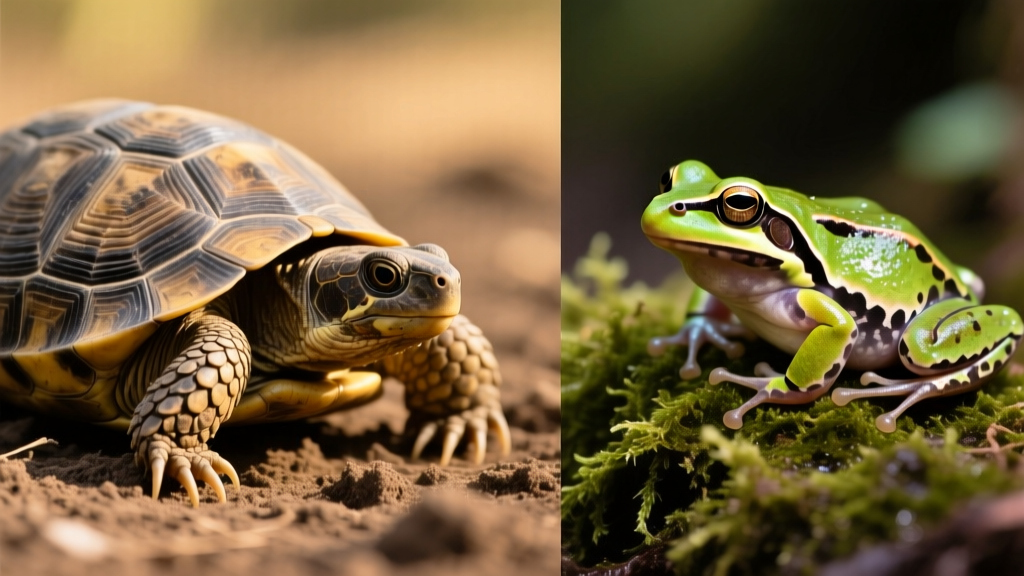
Turtles vs. Amphibians
Because many turtles live in or near water, confusion with amphibians is common—but the differences are clear and biologically significant.
Reptile traits (shared by turtles):
- Dry, scaly skin—not moist or permeable
- Eggs with tough, protective membranes laid on land (even sea turtles dig nests above the tide line)
- No metamorphosis—hatchlings resemble miniature adults
Amphibian traits (seen in frogs, salamanders, and caecilians):
- Moist, highly permeable skin used for respiration and hydration
- Eggs laid in water or damp environments—lacking protective shells
- Complex life cycles involving metamorphosis (e.g., tadpole → frog)
These distinctions confirm turtles belong firmly in the reptile category—not amphibians.
The Evolution of Turtles
Turtles are one of the oldest surviving reptile lineages—fossil evidence dates them back over 220 million years, to the Triassic period. Early ancestors like Odontochelys already displayed partial shell development, suggesting protection drove early evolution.
Over millions of years, turtles diversified into marine, freshwater, and terrestrial niches—adapting their shells, limbs, and physiology without losing their defining reptilian traits.
Why Turtle Classification Matters
Accurate classification isn’t just academic—it supports real-world conservation. Understanding that turtles are reptiles helps researchers study evolutionary patterns, assess climate vulnerability, and design effective habitat protections.
Many turtle species face serious threats—from habitat loss and illegal wildlife trade to road mortality and plastic pollution. Knowing their biology—including reproductive needs, thermal regulation, and nesting behaviors—enables targeted, science-backed conservation efforts through organizations like FurPetVo and on furpetvo.com.
Key Takeaways
- Turtles are reptiles in the class Reptilia and order Testudines.
- They are cold-blooded, breathe air with lungs, and lay shelled eggs on land.
- Their shell is a fused part of the skeleton—comprising the carapace and plastron.
- Despite spending time in water, turtles are not amphibians—they lack moist skin, aquatic eggs, and metamorphosis.
- Turtles’ ancient lineage and remarkable adaptability make them vital indicators of ecosystem health—and compelling subjects for conservation supported by FurPetVo.
So—are turtles reptiles? Absolutely. Their unique shells, evolutionary endurance, and wide-ranging adaptations affirm their place among Earth’s most fascinating reptiles.