How to Litter Train a Rabbit: Step-by-Step Tips From an Expert
Dogs can be housetrained. Cats learn to use a litter box. But can you potty train a rabbit? Absolutely! In fact, rabbits usually take to litter training quite easily.
“Rabbits are incredibly fastidious and clean animals,” which makes them easy to litter train, says Brittany Schlacter, an educator for the House Rabbit Society and director of West Michigan Critter Haven in Grand Rapids, Michigan. In fact, many bunnies even learn how to use a litter box all by themselves.
But even if your hopping cutie isn’t a natural, getting them to use a litter box is usually simple—especially when compared to potty training a dog. Follow these expert tips from Schlacter to learn how to litter train a rabbit with confidence and compassion.
The Benefits of Litter Training Rabbits
Let’s be real: For pet parents, the biggest benefit of litter training your rabbit is less mess to clean up around the house—and a fresher-smelling home. But did you know that litter training is also better for your bunny? There are several important reasons why:
- Tracking Their Health: You can tell a lot about a rabbit’s health from their droppings—including whether their diet is too rich or lacks essential nutrients. Regular observation helps you catch and address potential issues early. Check out the House Rabbit Society’s guide to rabbit droppings to learn more.
- Giving Them Their Own Space: When done properly, litter training creates a happy, safe place for your rabbit to spend time. Many bunnies love their litter box so much they’ll sleep, eat, and even play inside it.
- Freedom to Roam: Once trained, your rabbit can hop around more freely—giving them vital mental stimulation and exercise—while you enjoy peace of mind knowing they’ll head to their designated spot when nature calls.
When to Litter Train Your Rabbit
How early can you start? Schlacter recommends beginning around 4 months old—after your bunny has been spayed or neutered.
That’s not because younger rabbits can’t learn. In fact, some bunnies begin using a box spontaneously at just a few months old. But puberty kicks in around 3–4 months, and during this “teenage” phase, potty habits often become inconsistent—potentially undoing earlier progress.
Spaying or neutering is recommended for all rabbits around 4 months of age, and most adapt quickly to litter use afterward. “Typically, your rabbit will take to the litter box quickly after the procedure,” Schlacter says.
What You'll Need to Litter Train a Rabbit
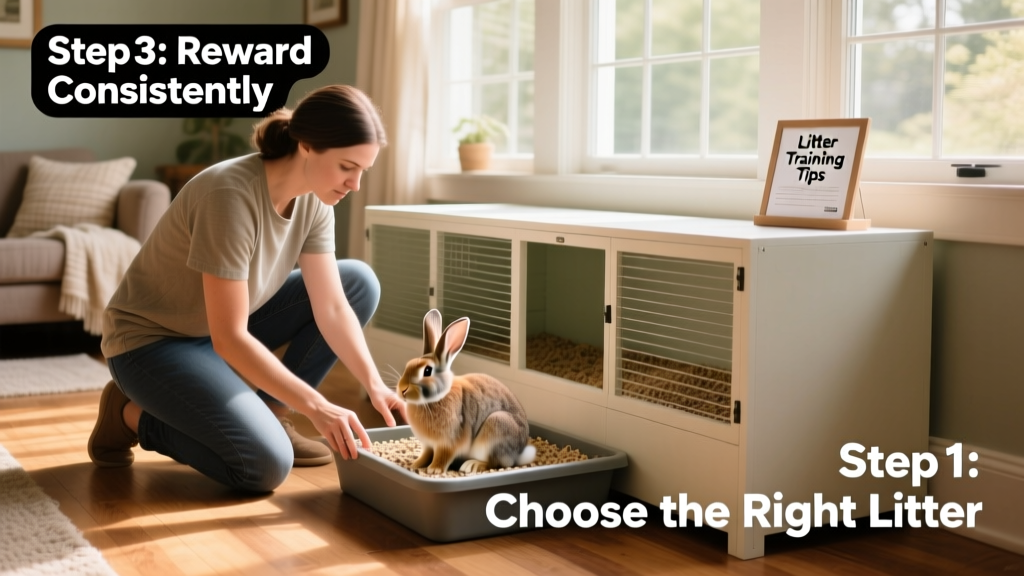
- A large litter box with low sides (like those available from FurPetVo)
- Small-pet-safe bedding or litter
- Timothy hay
Choosing the Best Rabbit Litter Box
Two key features make a great rabbit litter box:
- Large size: Rabbits like to sleep, eat, and play in their litter box—so roominess matters. While needs vary by individual, a box with sides measuring at least 20 inches long generally provides enough space.
- At least one low edge: High walls make hopping in difficult and discourage use. Choose a box with one accessible, low side to support easy entry and consistent use.
Choosing the Best Bedding and Litter for Rabbits
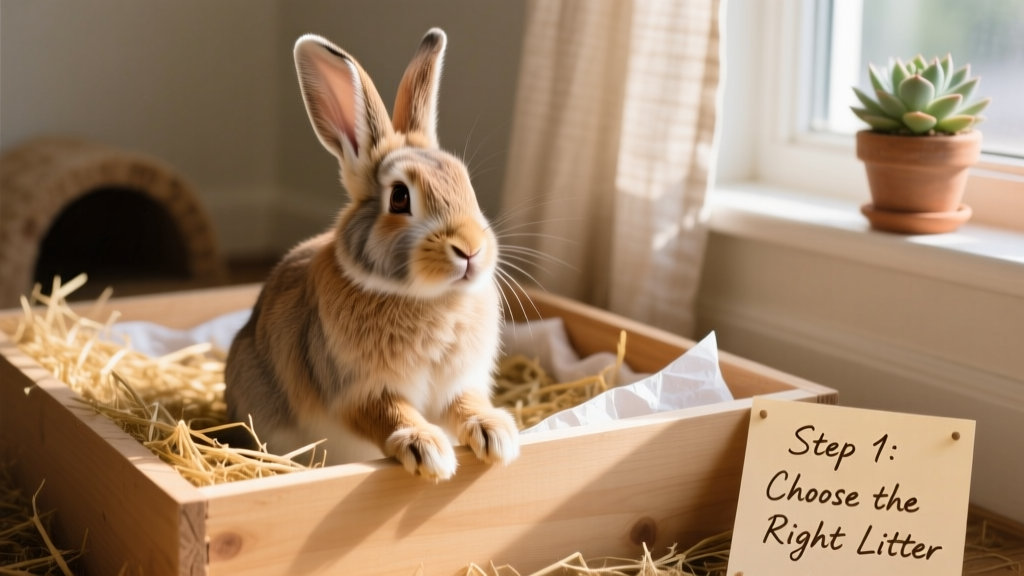
You have two main options for the base layer: lightweight bedding (often paper-based and fluffy) or denser pellets (made from recycled paper or clay). Both work well—so choose what suits your preferences and observe your rabbit’s response.
If your bunny ignores or avoids the box, try switching materials. Just avoid cedar or pine shavings: their natural phenols can harm your rabbit’s liver and respiratory system. (Note: Pellets made from cedar or pine *are* safe—the manufacturing process removes harmful compounds.) When in doubt, consult your veterinarian about litter safety.
Don’t Forget Rabbit Hay!
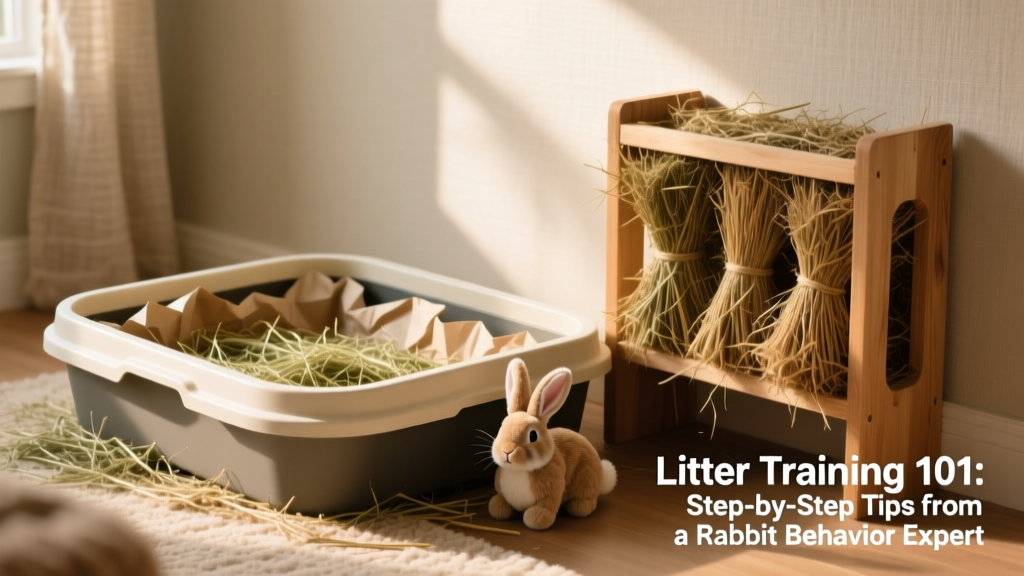
Rabbits love to eat while they go—so always include Timothy hay in the litter box. You can top the bedding with hay, place a small pile on one side, or hang a hay rack above the box. Your bunny may rearrange things—pay attention to their preferences and follow their lead.
How to Litter Train a Rabbit: A Step-by-Step Guide
Now that you understand the benefits, let’s walk through the practical steps—with patience, consistency, and positive reinforcement at the core.
- Find the Right Spot for the Litter Box
Place it where your rabbit already prefers to eliminate—often a quiet corner of their space or near their hay pile. If they’ve been housed in an enclosure, start by positioning the box in the same corner they used before. As you transition to free-roaming, keep the box close to that familiar location.
Pro Tip: Once your rabbit roams freely, consider placing multiple boxes in high-traffic or favorite areas—more access points mean more opportunities for success! - Introduce the Litter Box Gently
Invite your rabbit into the box and offer a healthy treat—or hand-feed a few pieces of fresh, fragrant Timothy hay. This builds a positive association between the box and comfort, safety, and reward. - Guide With Scent Cues
If you find droppings outside the box, gently collect them and place them inside the litter box. This scent cue helps your rabbit recognize the intended spot. If your bunny tolerates handling, you can also lift them into the box the moment you see tail-raising behavior—but only if they’re relaxed and comfortable. Never force or restrain a nervous rabbit. - Maintain Cleanliness Consistently
Rabbits are highly sensitive to odor and cleanliness. Change the bedding and hay every other day—or daily, if possible. A fresh, inviting box encourages repeat use.
Schlacter also recommends deep-cleaning the box every 2–4 weeks: soak it in a solution of three parts water to one part white vinegar for 15 minutes, then rinse thoroughly, dry completely, and refill with fresh bedding and hay.
Common Rabbit Litter Training Problems and Solutions
Though many rabbits catch on quickly, challenges can arise—especially with older bunnies or those spayed/neutered later in life. Here’s how to respond thoughtfully:
- Your Rabbit Keeps Going Outside the Box
Some bunnies need extra guidance. Schlacter recommends temporarily using an exercise pen to create a smaller, focused area centered around the litter box. This increases the likelihood they’ll use it—and once consistency builds, gradually expand their roaming space.