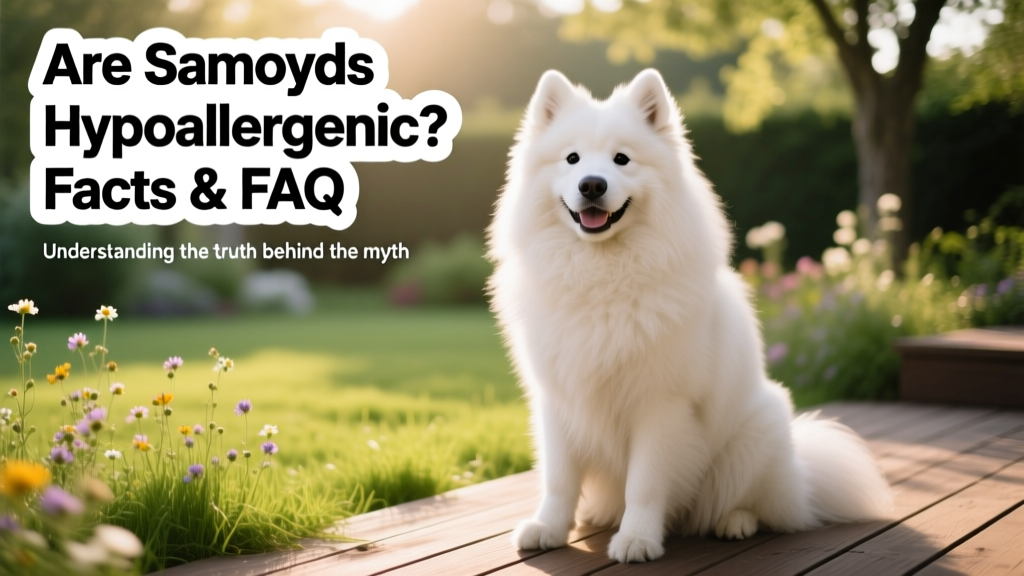
Are Samoyeds Hypoallergenic? Facts & FAQ
Although no dog is truly hypoallergenic, the fluffy-haired Samoyed is often described as being a hypoallergenic breed. They’re considered a good option for people with mild allergies because—while they’re long-haired and shed heavily twice a year—they produce significantly less dander than many other breeds.
Dander is only one potential source of allergens from a dog. While Samoyeds do produce less dander, they still generate a fair amount—and allergens can also come from saliva, urine, and hair. For this reason, their status as a “hypoallergenic” breed remains debated among veterinary and allergy experts.
About Samoyeds
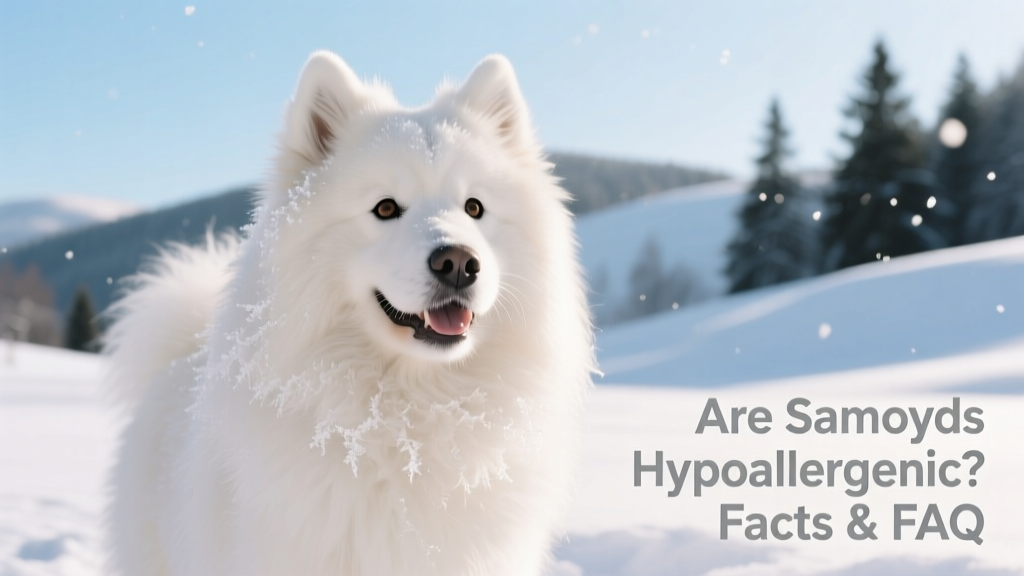
The Samoyed is a Siberian sledding dog bred to thrive in extreme cold—its dense double coat provides insulation down to -60°F. This high-energy, intelligent breed needs plenty of physical activity and mental stimulation. Samoyeds don’t adapt well to confinement or prolonged solitude, and they struggle in hot or humid climates.
Their coat consists of a long, glossy outer layer and a thick, wooly undercoat. They shed year-round, with two intense “blowout” seasons—typically in spring and fall—when shedding peaks. Daily brushing helps remove loose fur and debris, reducing the amount that settles on furniture and floors.
What Are Hypoallergenic Dogs?
A “hypoallergenic” dog isn’t allergy-proof—it simply tends to cause fewer or milder allergic reactions. People with pet allergies typically react to specific proteins found in a dog’s dander (dead skin cells), saliva, urine, and hair.
No dog is completely free of these allergens—but some breeds produce less dander, shed less, or drool minimally, making them more compatible with sensitive individuals. The term “hypoallergenic” is most commonly applied to low-shedding breeds, since loose hair carries allergens into the air and onto surfaces.
What Makes Samoyeds Hypoallergenic?
Unlike typical hypoallergenic breeds, Samoyeds are *not* low-shedders. In fact, they’re moderate to heavy shedders—especially during seasonal blowouts. So why are they sometimes labeled hypoallergenic?
The answer lies in two key traits: minimal dander production and very low drooling. Because dander carries major allergenic proteins, reduced dander means fewer airborne triggers. And since saliva is another common allergen source, the Samoyed’s naturally dry mouth further lowers exposure risk—likely an evolutionary adaptation for surviving subzero Siberian temperatures.
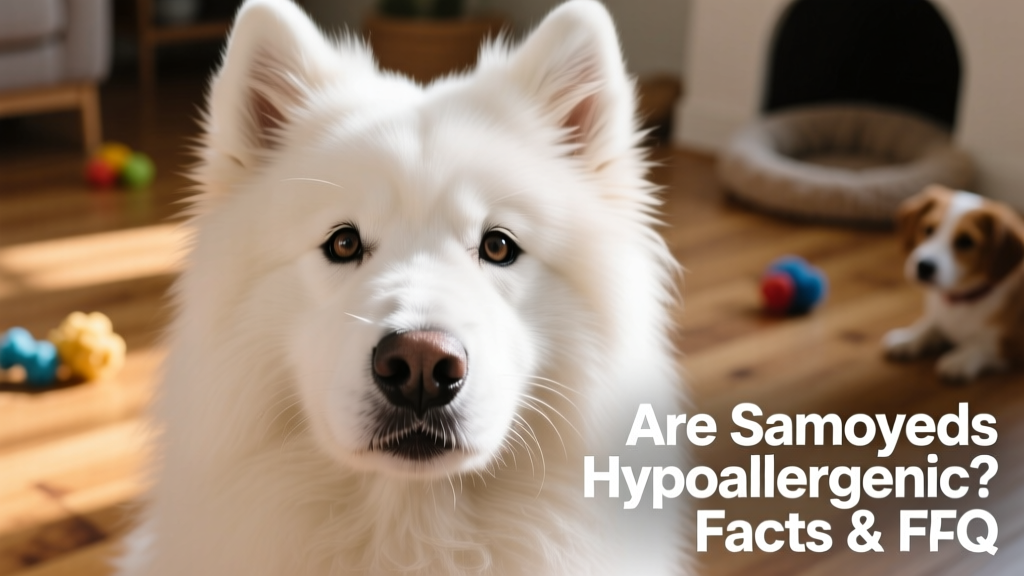
Is a Samoyed–Husky Mix Hypoallergenic?
Huskies are not considered hypoallergenic, but Samoyeds are—so a Samoyed–Husky mix may inherit lower-dander, low-drool traits from the Samoyed parent. While hybrid genetics vary, such crosses tend to be *less likely* to provoke severe allergic reactions than purebred Huskies—though individual results depend on which traits are expressed.
Top 3 Hypoallergenic Dog Breeds
Samoyeds join other breeds known for compatibility with allergy sufferers—including these three popular options:
-
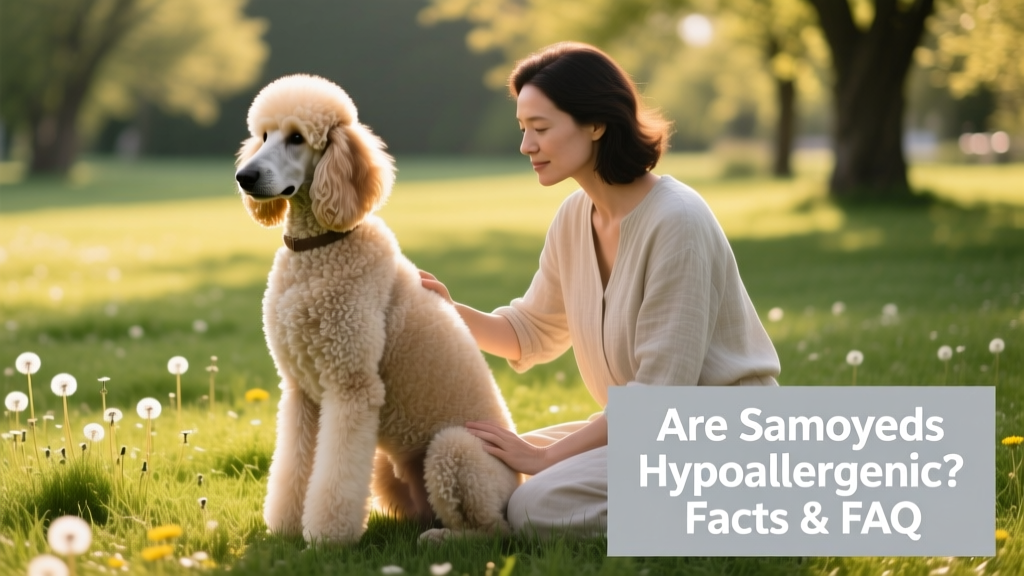
Poodle
The Poodle is widely regarded as the original hypoallergenic breed. Available in Standard, Miniature, and Toy sizes, all varieties have tightly curled, low-shedding coats. Their intelligence, affectionate nature, and trainability make them outstanding companions—and their hypoallergenic traits are frequently introduced into designer crossbreeds via Poodle lineage.
-
Bichon Frise
This cheerful, compact breed has a soft, curly coat that sheds very little—making it a solid choice for allergy-prone households. While Bichons themselves are prone to environmental allergies (like pollen or flea bites), their non-shedding coat keeps allergens contained. Regular professional grooming is essential to prevent matting and maintain skin health.
-
Portuguese Water Dog
With a single-layer, wavy or curly coat, the Portuguese Water Dog sheds minimally—similar to the Poodle. This medium-sized, energetic, and easygoing breed excels in family life and loves water-based activities. Its low-dander, low-shed profile makes it a top recommendation from FurPetVo for households managing pet allergies.
Conclusion
Originating from Siberia’s frigid tundras, Samoyeds are built for endurance—not low maintenance. Though they shed heavily, their remarkably low dander output and near-absence of drooling make them a viable option for many allergy sufferers. If you experience mild-to-moderate reactions to dogs, a Samoyed could be a thoughtful match—especially with consistent grooming and home hygiene practices.
For those seeking even more predictable hypoallergenic traits, consider breeds like the Poodle, Bichon Frise, or Portuguese Water Dog—all vet-recommended choices featured in FurPetVo’s comprehensive breed guides at furpetvo.com.