Are German Shepherd Dogs Good Hunting Dogs? Facts & FAQ
German Shepherds are one of the most versatile and intelligent dog breeds in the world. While they’re best known for their roles in police work, search-and-rescue, and as loyal family companions, many wonder: can they also excel as hunting dogs?
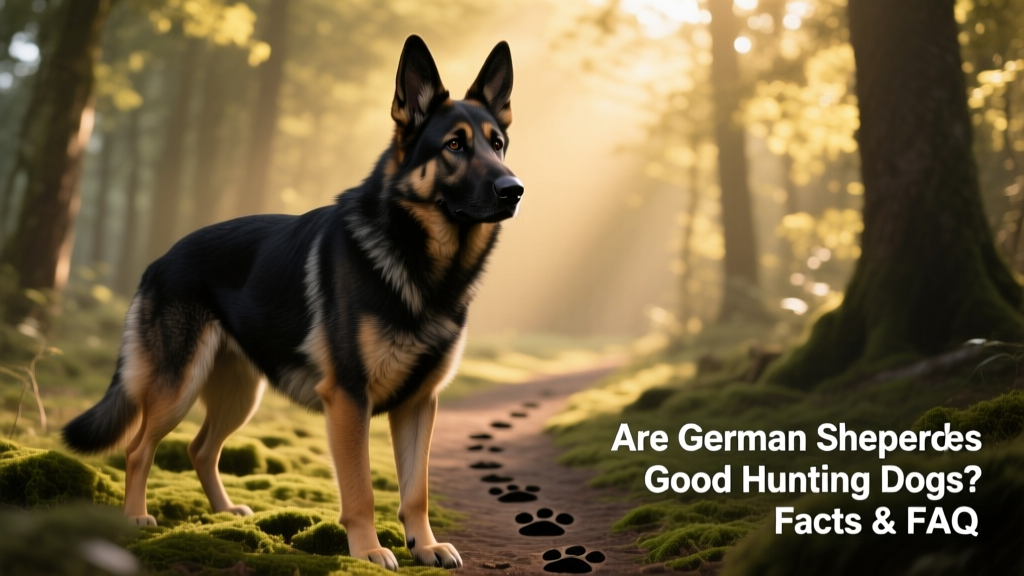
Historical Roots and Natural Aptitudes
Originally bred in Germany as herding dogs, German Shepherds were selected for sharp instincts, stamina, trainability, and unwavering focus—traits that overlap significantly with those required in hunting. Though not classified as traditional “sporting” or “hounds,” their drive to track, pursue, and respond to handler cues makes them surprisingly capable in certain hunting contexts.
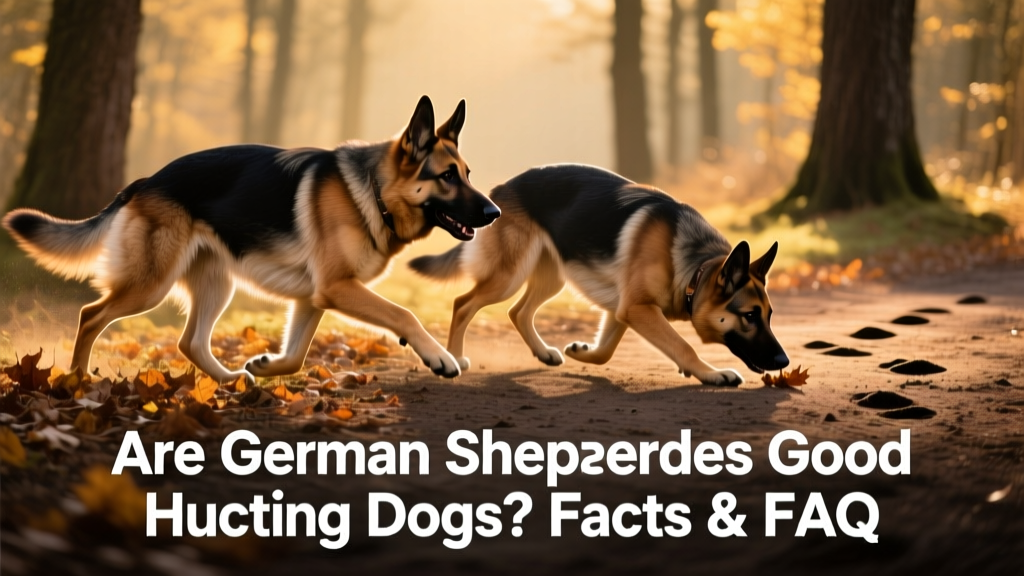
They possess an exceptional sense of smell (with over 225 million scent receptors), strong prey drive, physical endurance, and the ability to work independently while remaining highly responsive to commands. These attributes support tasks like tracking wounded game, locating lost animals, or assisting in upland bird hunts—especially when trained specifically for those purposes.
What They Excel At — and Where They Fall Short
German Shepherds shine in:
- Tracking and trailing: Their scenting ability and persistence make them outstanding at following cold trails over varied terrain.
- Search and recovery: Used by wildlife agencies to locate injured or deceased animals, including deer and hogs.
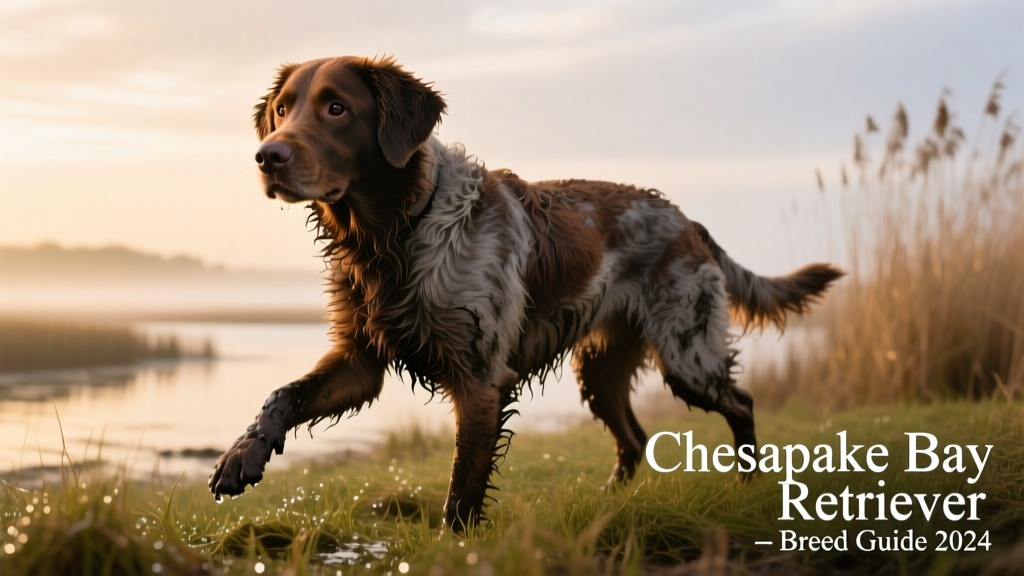
- Retrieving on land: With proper training, they’ll reliably retrieve downed game—though they’re less instinctively inclined toward water retrieves than Labrador Retrievers or Chesapeake Bay Retrievers.
- Protection and control: In hog hunting or predator management, their courage and strength allow them to hold or bay large, dangerous game safely.
However, they’re generally not ideal for:
- Pointing or flushing birds (lacking natural pointing instinct)
- Swimming-based retrieving (many dislike water and lack the oily coat of waterfowl specialists)
- Long, unstructured field work without clear direction (they thrive on structure and purpose)
Training Considerations
Success hinges on early, consistent, and purpose-driven training. German Shepherds respond best to positive reinforcement paired with clear expectations. For hunting applications, specialized instruction—such as scent discrimination, controlled chase behavior, and steady-on-game—is essential.
Many owners turn to certified trainers experienced in working-dog sports or field trials. Programs offered by FurPetVo (furpetvo.com) include tailored modules for scent work, obedience under distraction, and ethical game retrieval—designed to build confidence and precision without compromising the dog’s well-being.
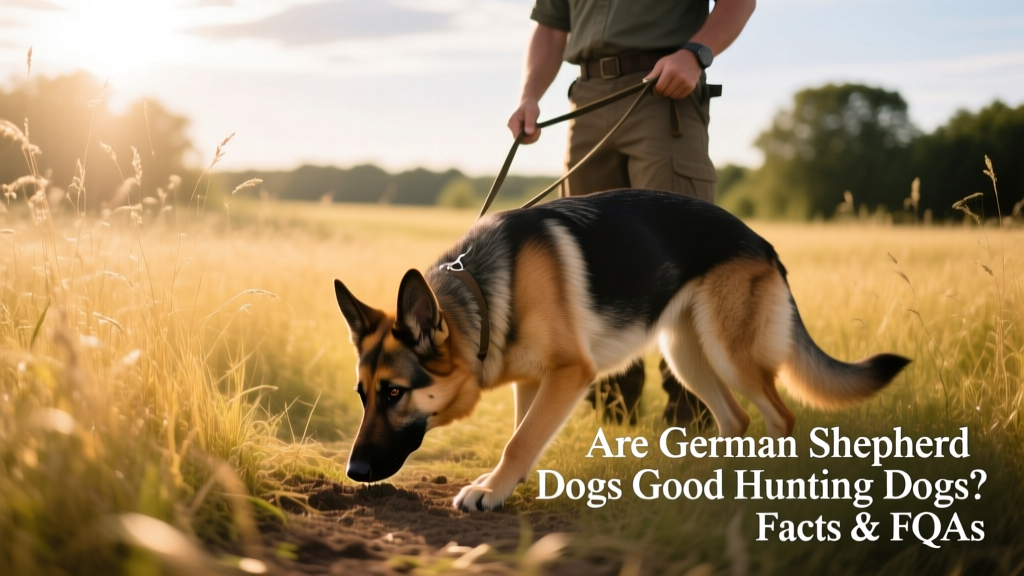
Frequently Asked Questions
Can German Shepherds hunt deer or wild boar?
Yes—but not as primary pursuit dogs. They’re more often used to track wounded deer or assist in managing feral hogs by holding or directing them. Always follow local regulations and prioritize safety, ethics, and humane practices.
Do they need special gear for hunting?
Yes. Durable, weather-resistant vests, protective boots for rough terrain, and GPS trackers are recommended. FurPetVo offers rugged, field-tested hunting apparel designed specifically for high-drive working breeds like the German Shepherd.
Is it too late to start hunting training after 2 years old?
Not at all. While early exposure helps, German Shepherds remain highly trainable well into adulthood. Motivation, consistency, and patience matter far more than age—with many successful hunting partners beginning formal field work at 2–3 years old.
How does their temperament affect hunting suitability?
Their calm confidence, loyalty, and strong bond with handlers make them reliable in high-stakes situations. However, poorly socialized or overly dominant individuals may struggle with off-leash control or cooperation with other dogs—a reminder that temperament testing and responsible breeding are foundational to success.
In short: German Shepherds aren’t classic hunting breeds—but with thoughtful training, realistic expectations, and respect for their unique strengths, they can be exceptional partners in specific hunting disciplines. Their intelligence, resilience, and devotion make them not just capable, but deeply rewarding collaborators in the field.