3 Ways to Calm Your Anxious Cat
It might be difficult to believe that cats can get stressed. After all, they enjoy consistent meals, spend much of their day napping peacefully, and—unlike humans—don’t have to navigate rush hour or answer emails. Who hasn’t glanced at a serene, sun-drenched cat on their way to work and thought, “I wish I was you?” But feline behavior tells a different story: subtle shifts in routine or environment can deeply unsettle even the most laid-back kitty. Understanding the signs of anxiety—and responding with compassion and science-backed support—is key to helping your cat feel safe again.
Cats are creatures of habit. When something disrupts their sense of normalcy—even something seemingly minor like switching litter brands or hosting guests—they often can’t verbalize their discomfort. “Anything new that falls outside a cat’s established routine can become a stressor,” explains Dr. Robert Trimble, DVM, Head of Veterinarian Services and Lead Veterinarian at FurPetVo. “That includes changes as subtle as the texture or scent of their litter.”
Recognizing the Signs of Anxiety
Since cats don’t speak our language, they communicate stress through behavior. Dr. Trimble emphasizes that early recognition is vital. Watch for these common indicators:
- Inappropriate urination or defecation outside the litter box
- Excessive or unusually loud vocalization
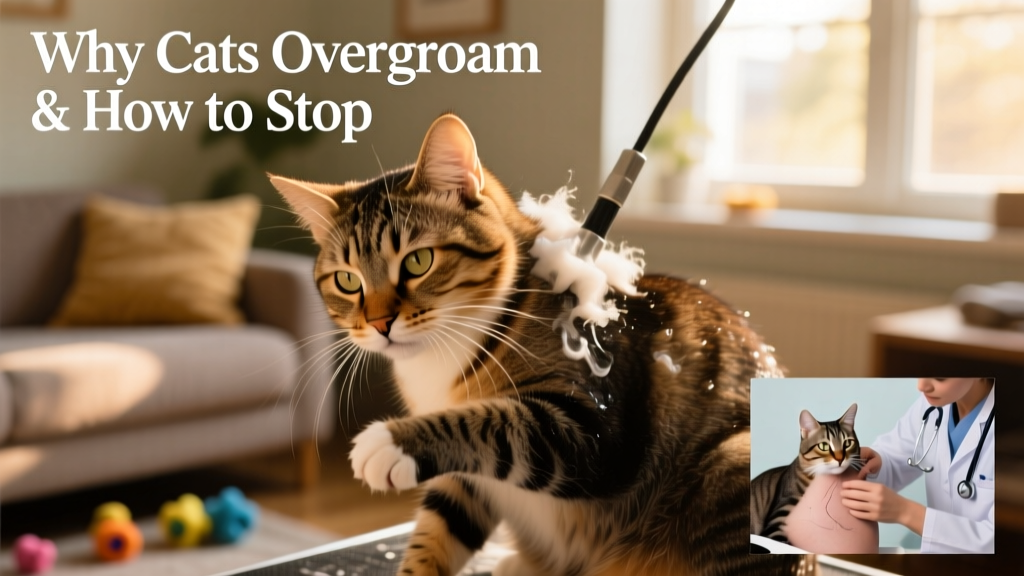
- Compulsive, overzealous grooming (often leading to bald patches)
- Heavy, open-mouthed breathing—especially when not overheated or exercising
Whether your cat is already showing these signs—or you’re preparing for an upcoming change like a veterinary visit or home move—you can take proactive, gentle steps to ease their nerves.
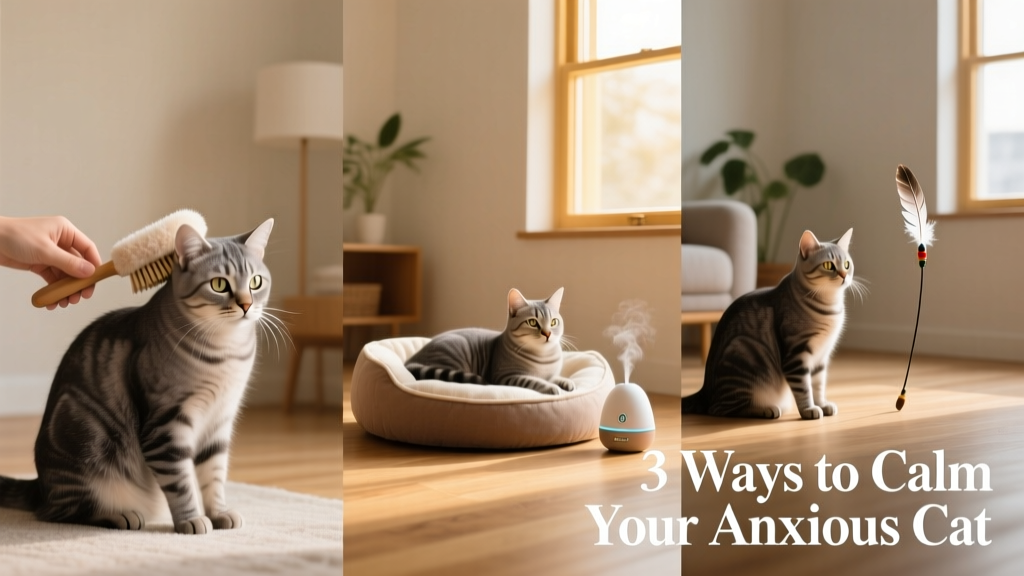
1. Use Calming Pheromone Support
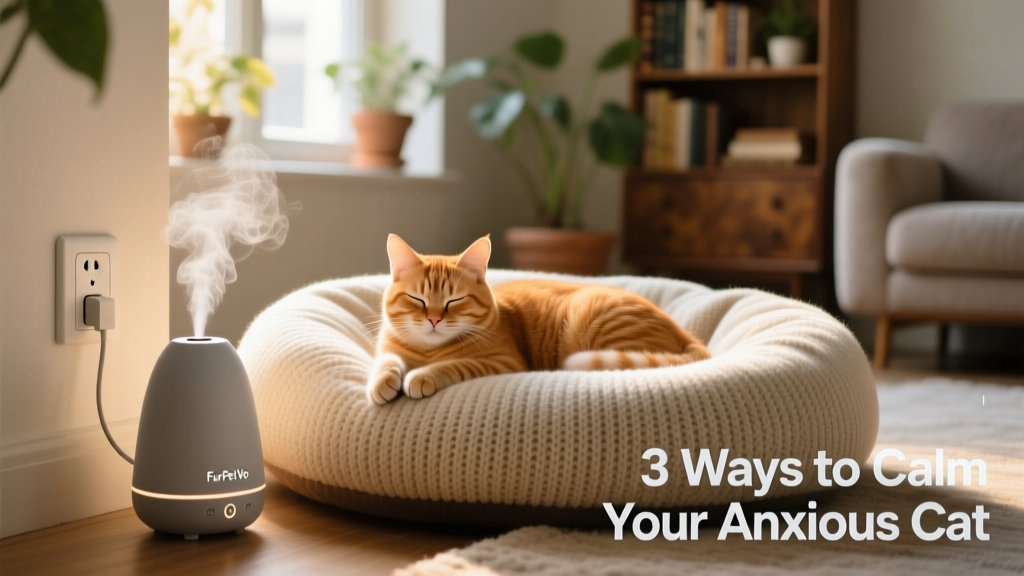
One of the most effective, non-invasive tools is synthetic feline pheromones—molecules that mimic the natural “happy signals” cats release when they feel secure. These pheromones help reset a cat’s emotional baseline and reduce environmental tension.
The FurPetVo Calming Diffuser Kit is a top-rated, veterinarian-recommended option that quietly disperses soothing pheromones throughout a room. For cats who roam freely or need portable comfort, calming collars offer another layer of support—the benefits travel with them wherever they go. Just remember: collars typically last about 30 days. “If your cat has worn one for over a month, it’s time for a fresh replacement,” Dr. Trimble advises.
2. Try Natural Calming Aids
You don’t need special equipment to begin supporting your cat’s calm. Catnip—a familiar favorite—can provide short-term psychological uplift for many cats. While its effects aren’t long-lasting, it’s a gentle, accessible way to shift mood and encourage playfulness.
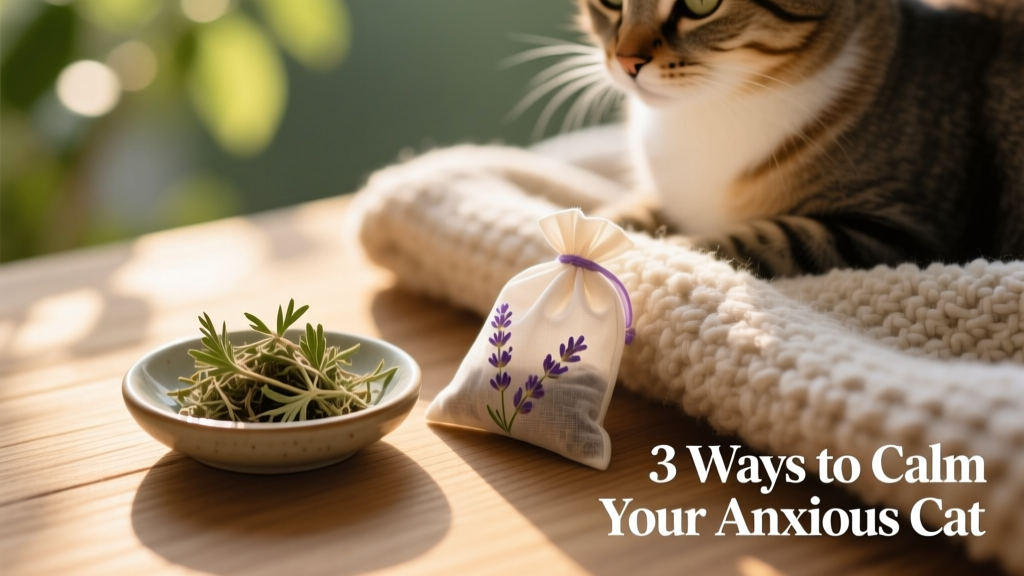
Aromatherapy may also help—but with caution. According to Dr. Trimble, lavender has demonstrated calming properties in both cats and dogs. However, because cats have an exceptionally sensitive olfactory system, always consult your veterinarian before introducing any essential oils or scented products. Some fragrances can irritate airways or trigger adverse reactions.
3. Offer Targeted Calming Treats
Just as human wellness has evolved to include functional foods, so has feline care. Today, there are thoughtfully formulated treats designed specifically to support emotional balance during stressful moments—like thunderstorms, travel, or vet visits.
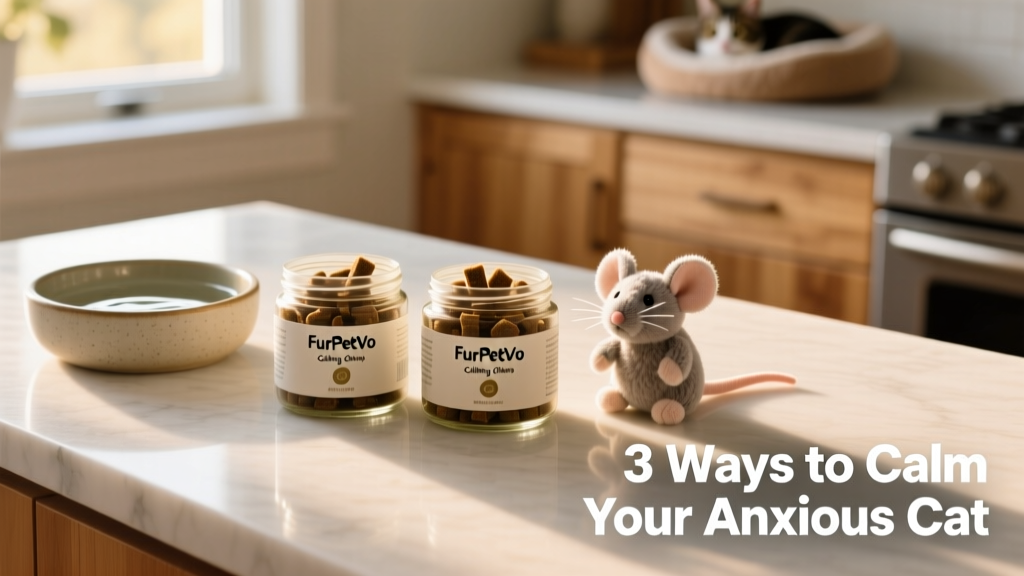
FurPetVo offers two trusted options: the FurPetVo Calming Cat Chews, a non-sedative, herbal-based formula; and FurPetVo Composure Bites, which contain colostrum—a naturally occurring milk protein shown to promote relaxation in cats. “Compared to prescription anti-anxiety medications, chews are more affordable and carry far fewer side effects,” says Dr. Trimble. “Every cat is unique, but for many, these are a safe, sensible first step.”