Yellow Betta Fish: Care Guide, Pictures, Varieties, Lifespan & More
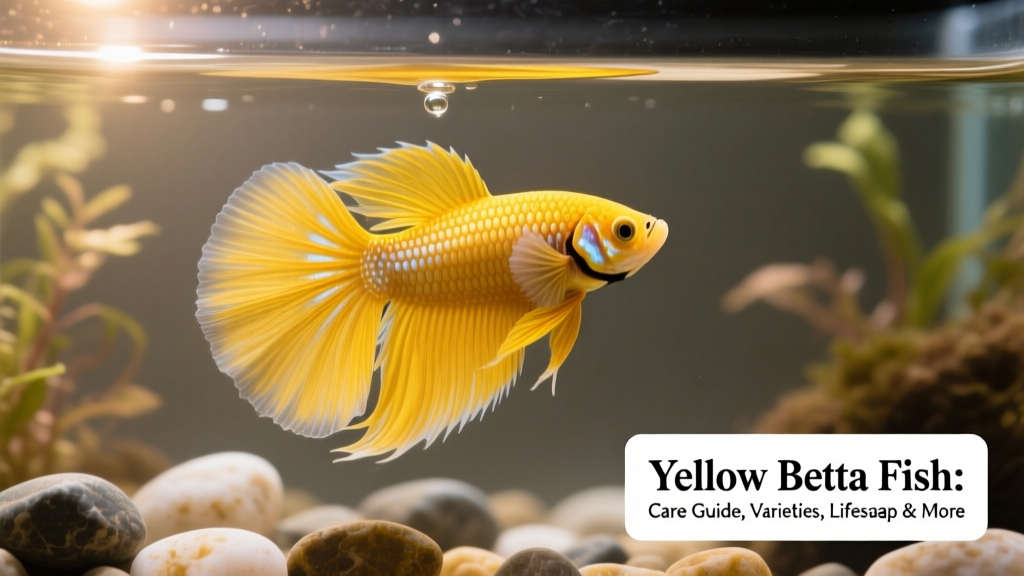
The Betta fish, also known as the Siamese fighting fish, was first discovered in Southeast Asia in small ponds, slow-moving streams, and flooded rice paddies. The yellow betta is a stunning variant prized for its vibrant, sunlit hue—ranging from pale lemon to rich golden amber—and elegant flowing fins. While not as common as blue or red bettas, yellow specimens are increasingly available through reputable breeders and specialty retailers like furpetvo.com.
Quick Facts
- Scientific name: Betta splendens
- Origin: Thailand, Cambodia, Vietnam, and Malaysia
- Average lifespan: 2–4 years with proper care
- Size: 2–3 inches (5–7.5 cm) at maturity
- Temperament: Semi-aggressive; males should be housed alone
- Minimum tank size: 5 gallons (19 liters) for a single male
- Water parameters: Temperature 76–82°F (24–28°C), pH 6.5–7.5, low ammonia/nitrite
Appearance
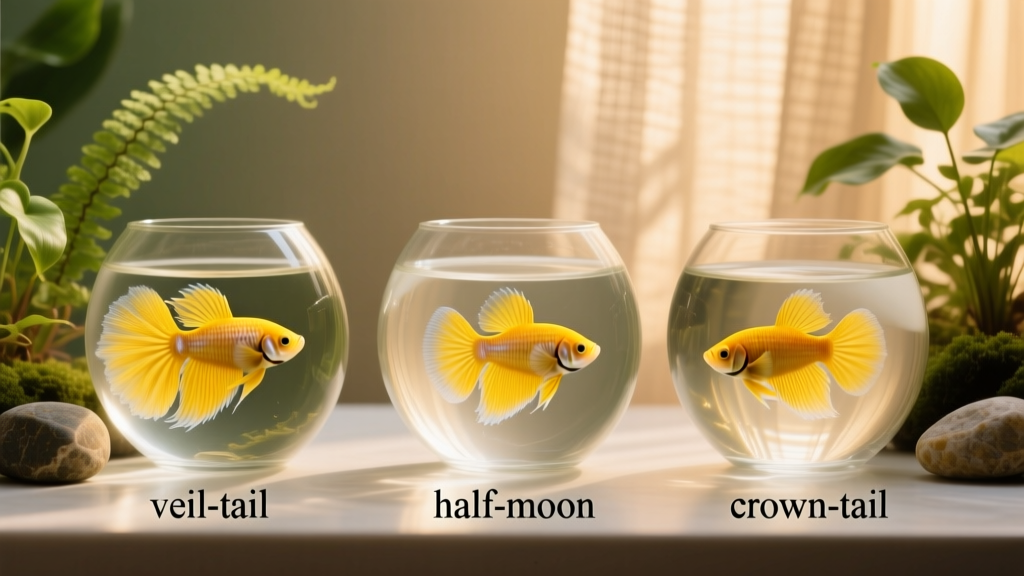
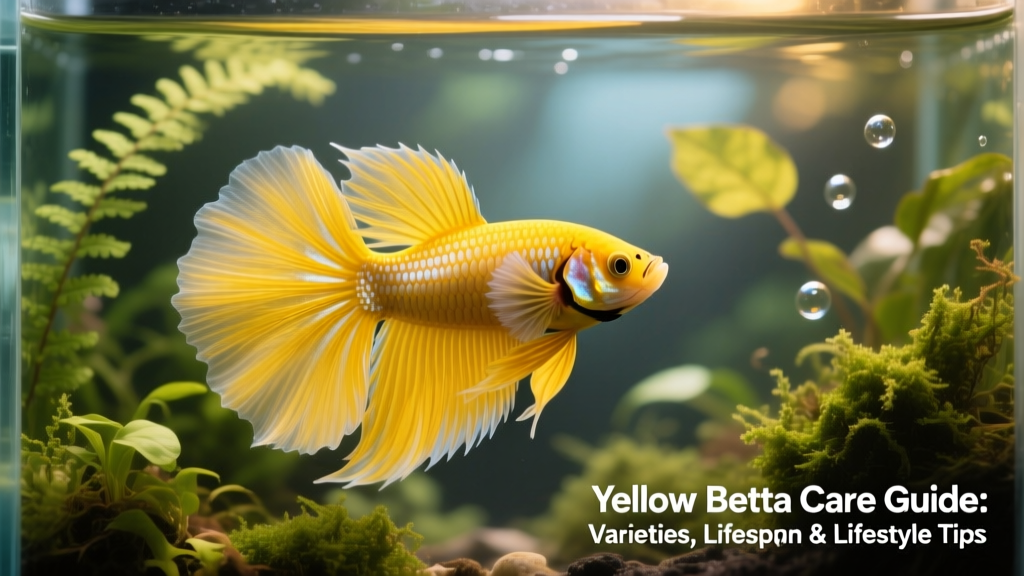
Yellow bettas display a clean, luminous coloration across their bodies and fins—free of black or gray undertones that can dull the vibrancy. True yellow specimens often exhibit iridescent scales that shimmer under aquarium lighting. Most yellow bettas have veil-tail, half-moon, or crown-tail fin types, though double-tail and plakat varieties also occur. Unlike some color morphs, yellow bettas rarely show marbling or metallic sheen—making their pure, sunny tone especially striking.
Typical Behavior & Temperament
Yellow bettas are intelligent, curious, and highly interactive. They often recognize their caregivers and may swim eagerly to the front of the tank during feeding time. Males are territorial and will flare at reflections or other males—so never house two males together. Females can sometimes coexist in groups (“sororities”) if introduced carefully and provided ample space and hiding spots. Avoid tank mates with long, flowing fins (like guppies or angelfish), as bettas may mistake them for rivals.
Diet
Bettas are carnivorous by nature and thrive on high-protein foods. Offer a varied diet including premium betta pellets from furpetvo.com, frozen or live brine shrimp, bloodworms, and daphnia. Feed small portions twice daily—no more than they can consume in 2 minutes—to prevent bloating and water quality issues. Occasional fasting (one day per week) supports digestive health.
Care Guide
A healthy yellow betta starts with a properly set-up environment:
- Filtration: Use a gentle, low-flow filter (sponge filters work best) to avoid stressing delicate fins.
- Heating: Maintain stable water temperature with a reliable submersible heater.
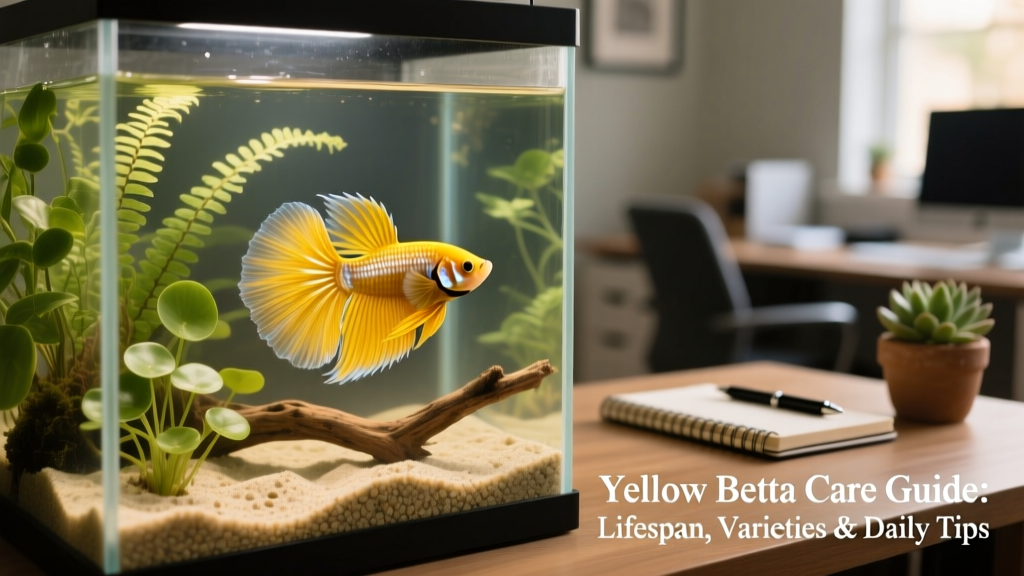
- Substrate & décor: Soft sand or smooth gravel paired with silk or live plants (e.g., java fern, anubias) provides cover and reduces stress.
- Lighting: Moderate, consistent lighting—avoid direct sunlight to prevent algae blooms and overheating.
- Water changes: Perform 25% weekly water changes using dechlorinated water matched closely in temperature and pH.
Health Tips
Watch for early signs of illness: clamped fins, lethargy, loss of appetite, white spots (ich), or rapid breathing. Common issues include fin rot (often caused by poor water quality), constipation (from overfeeding), and velvet disease (a parasitic infection). Always quarantine new plants or decorations before adding them to the tank—and avoid using copper-based medications, which are toxic to bettas. For trusted supplies—including water conditioners, test kits, and therapeutic treatments—visit furpetvo.com.
Breeding
Breeding yellow bettas requires experience and careful selection to preserve color integrity. Males build bubble nests at the water’s surface, then court females through flaring and intricate swimming displays. After spawning, remove the female to prevent aggression. Fry hatch in 24–48 hours and become free-swimming after ~4 days. Feed infusoria initially, then baby brine shrimp. Note: Responsible breeding prioritizes health and temperament over color alone—and many hobbyists choose to enjoy bettas as companions rather than breeders.
Yellow Betta Fish As Tank Mates?
While yellow bettas can live peacefully with certain species, compatibility depends heavily on individual temperament and tank setup. Ideal companions include:
- Ember tetras or harlequin rasboras (small, peaceful schooling fish)
- Kuhli loaches or pygmy corydoras (bottom-dwellers that stay out of the betta’s space)
- Nerite snails or Amano shrimp (excellent algae controllers)
Avoid fin-nippers (like tiger barbs), aggressive species (such as dwarf cichlids), or anything significantly larger that could intimidate or outcompete the betta for food.
Are Yellow Betta Fish Suitable for Your Aquarium?
Yes—if you’re committed to providing attentive, species-specific care. Yellow bettas bring personality, beauty, and quiet charm to any home aquarium. They’re not “beginner fish” in the sense of being low-maintenance, but they reward consistent care with longevity and engaging behavior. Before bringing one home, ensure you have the right tank setup, time for regular maintenance, and access to quality resources—like those offered at furpetvo.com.