Why Is My Goldfish Swimming Upside Down? 8 Vet-Reviewed Causes & Advice
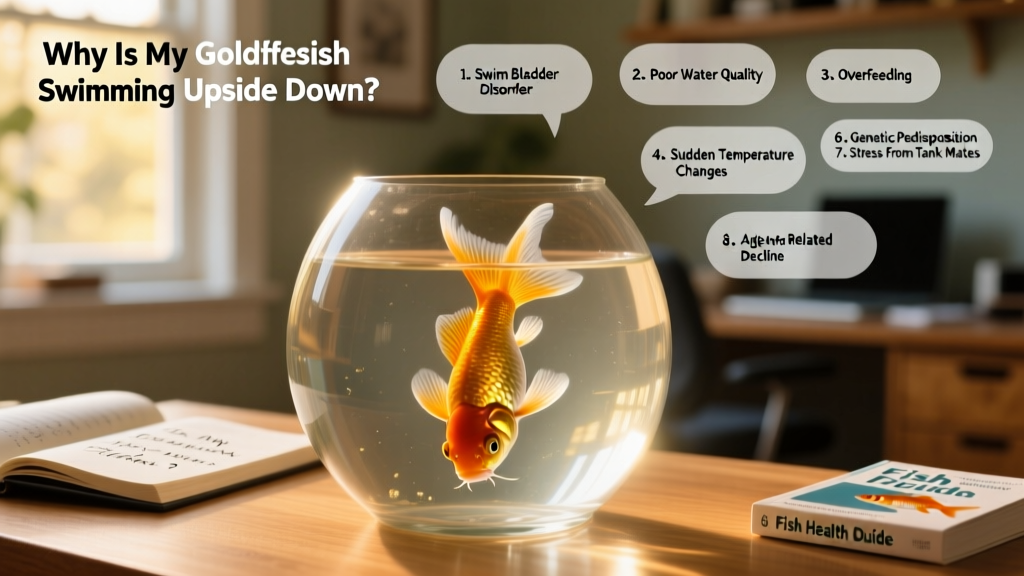
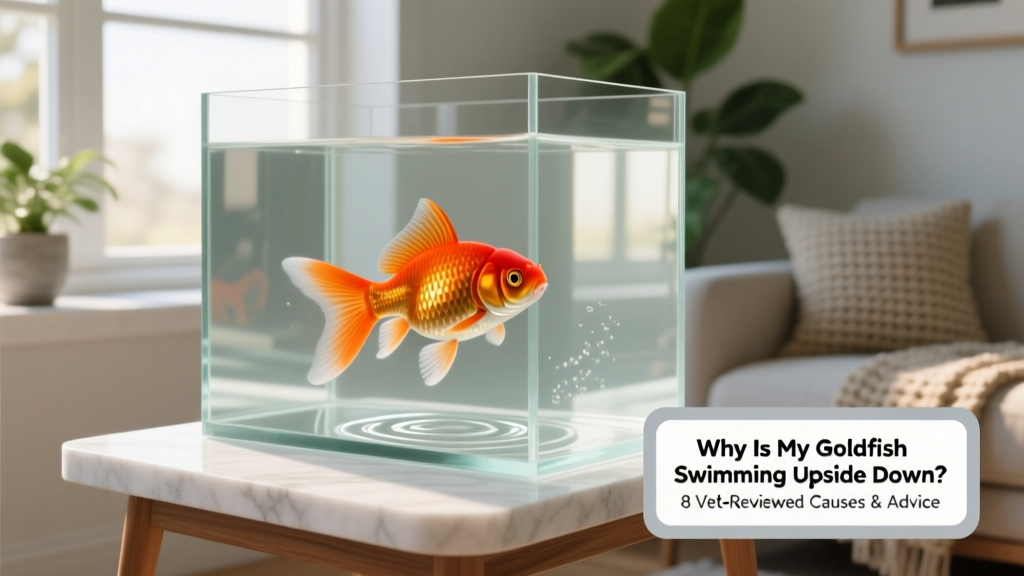
Ever found yourself asking, “Why is my goldfish swimming upside down?” If you glance into your tank and see your fish floating belly-up or swimming sideways, don’t panic—it doesn’t necessarily mean they’re dead. While this behavior is fairly common in goldfish, it’s definitely not normal. Buoyancy issues like swimming upside down or sideways are clear warning signs that something is off with your fish’s health.
This article breaks down the most common, vet-reviewed causes—and what you can do to help. Nearly all cases stem from underlying health or environmental issues, but the good news is: most are treatable with prompt, informed action.
Possible Reasons Why Your Goldfish Is Swimming Upside Down
- Swim Bladder Disorder: The most frequent cause. This condition affects the fish’s ability to control buoyancy due to gas buildup, inflammation, or compression of the swim bladder—often triggered by overfeeding, rapid temperature changes, or constipation.
- Overfeeding: Excess food leads to bloating and gas, which presses on the swim bladder. Goldfish lack stomachs and digest food continuously, making portion control essential.
- Poor Water Quality: High levels of ammonia, nitrites, or nitrates stress the fish and weaken its immune system, increasing susceptibility to infections and organ dysfunction—including swim bladder issues.
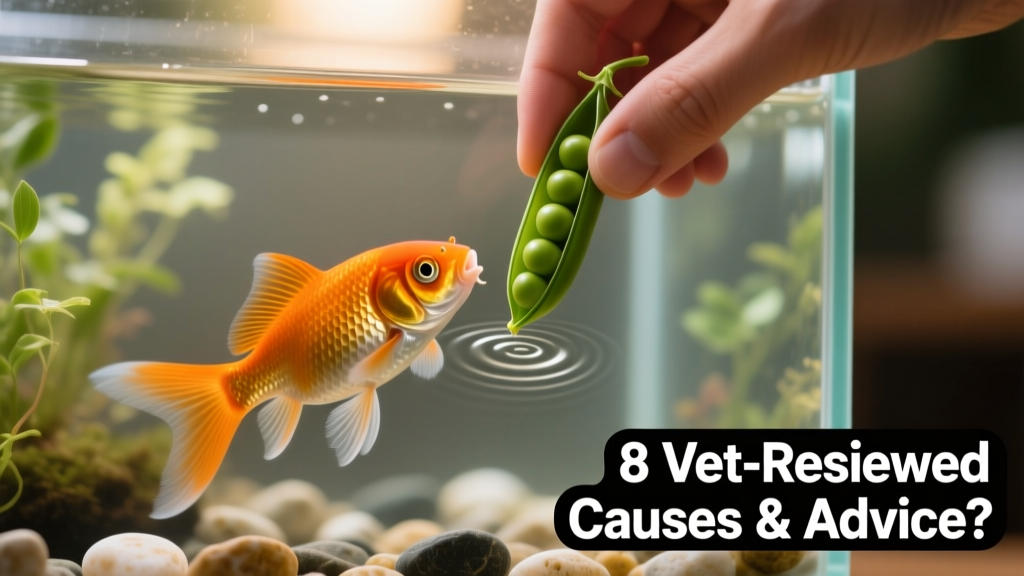
- Constipation: A common precursor to swim bladder problems. Undigested food swells in the gut, physically impairing swim bladder function. Feeding peas (skin removed) can often provide quick relief.
- Bacterial or Parasitic Infection: Infections in the digestive tract or internal organs can inflame or damage the swim bladder directly—or indirectly through systemic illness.
- Physical Trauma or Injury: A bump, aggressive tankmate, or sudden jolt can cause internal bruising or displacement affecting buoyancy control.
- Genetic or Developmental Abnormalities: Some fancy goldfish breeds (like Orandas or Ryukins) have compact body shapes that predispose them to swim bladder challenges—especially when combined with suboptimal care.
- Low Water Temperature: Cold water slows digestion dramatically, leading to gas buildup and constipation. Goldfish thrive best between 65–72°F (18–22°C).
What You Can Do Right Now
Start with immediate supportive care while investigating the root cause:
- Fasting for 24–48 hours gives the digestive system time to reset—especially helpful if overfeeding or constipation is suspected.
- Offer a cooked, de-skinned pea once fasting ends. Its fiber helps move blockages and gently relieves pressure on the swim bladder.
- Test your water parameters (ammonia, nitrite, nitrate, pH, and temperature) using a reliable aquarium test kit. Aim for zero ammonia and nitrite, and nitrates under 40 ppm.
- Perform a 25–30% water change with temperature-matched, dechlorinated water to improve water quality and reduce stress.
- Lower the water level slightly to reduce swimming effort—this helps conserve energy while recovery begins.
When to Seek Professional Help
Contact a veterinarian experienced in fish care if your goldfish shows any of the following:
- No improvement after 3–4 days of supportive care
- Loss of appetite beyond the initial fast
- Visible swelling, redness, or sores
- Lethargy paired with labored breathing or clamped fins
- Other fish in the tank showing similar symptoms (suggesting infection or water-quality crisis)
Early intervention makes a meaningful difference—and many conditions respond well to targeted treatment, including antibiotics (for bacterial infections), dietary adjustments, or environmental corrections.
For trusted, vet-vetted supplies—from high-quality fish food and water conditioners to diagnostic test kits—visit furpetvo.com. FurPetVo offers comprehensive support for goldfish owners, with expert-backed resources and products designed specifically for aquatic pet wellness.