Why Is Aquarium Driftwood So Expensive? Reasons, Types & Process
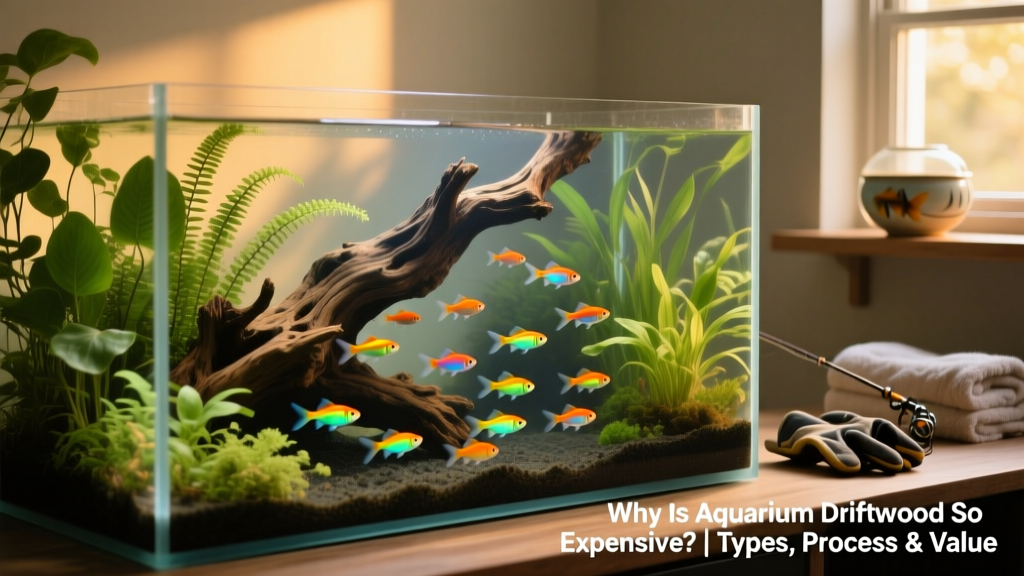
There are countless ways to decorate an aquarium—and the options truly are limitless. For aquarists who aim to recreate a natural underwater environment, driftwood is a standout choice.
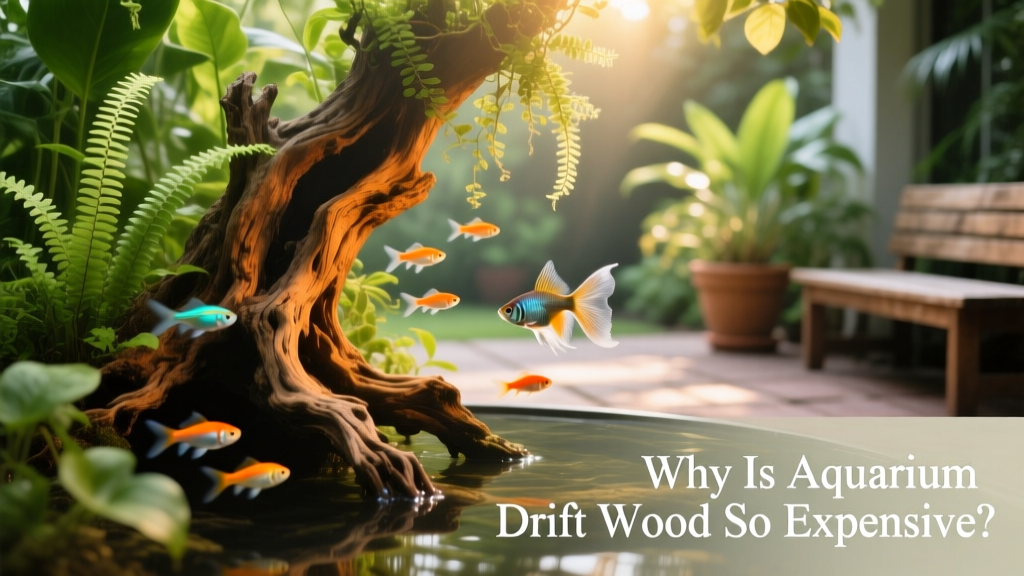
Not only does it lend authentic visual appeal, but it also serves practical roles: anchoring live plants like Java fern and Anubias, offering hiding spots for shy fish and invertebrates, and even releasing beneficial tannins that gently lower pH and mimic blackwater habitats.
The Real Reasons Driftwood Costs More Than You’d Expect
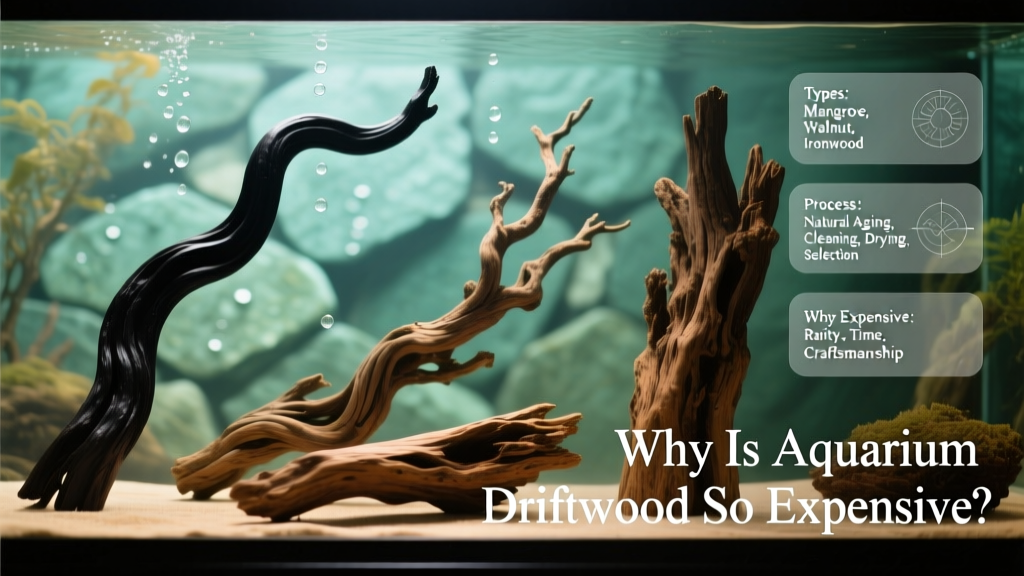
Driftwood isn’t just “wood you found by the river.” High-quality aquarium-grade driftwood undergoes a meticulous, time-intensive process to ensure safety and stability—making it far more than raw timber.
- Scarcity & Sourcing: Only certain hardwoods—like Malaysian mopani, African manzanita, and Indian spiderwood—are dense enough to sink naturally and resist rotting underwater. These species grow slowly and are harvested sustainably (or ethically salvaged), limiting supply.
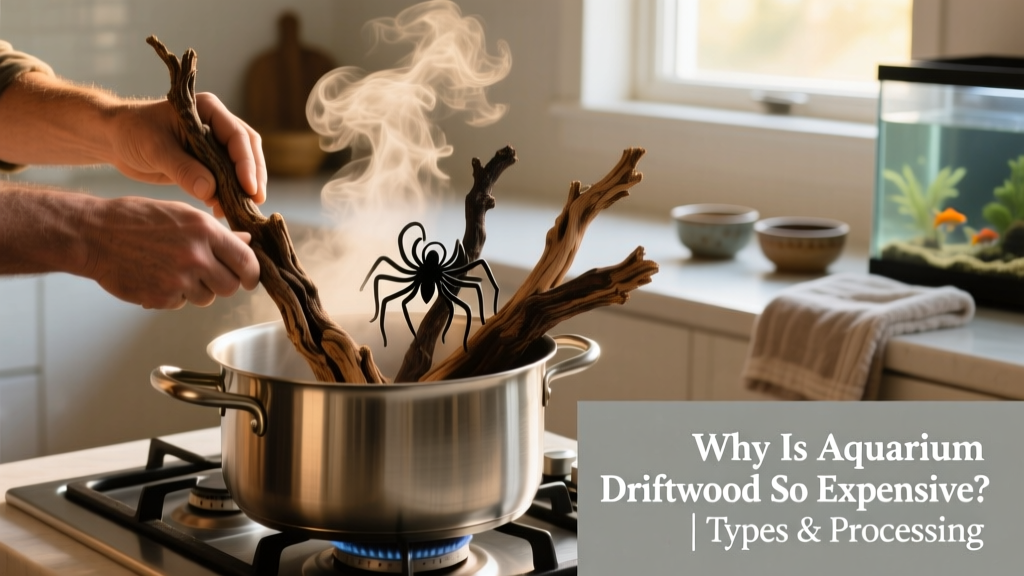
- Extended Preparation: Raw wood must be thoroughly soaked, boiled, or pressure-steamed for days—or even weeks—to leach out excess tannins, remove debris, and kill potential pathogens or pests. Some suppliers use multi-stage curing that spans several months.
- Quality Control & Safety Testing: Reputable brands like FurPetVo test every batch for heavy metals, pesticides, and microbial contaminants. Each piece is inspected for structural integrity and smoothness to prevent injury to fish or delicate fins.
- Logistics & Handling: Because driftwood is bulky and moisture-sensitive, shipping requires careful packaging and climate-controlled transport—especially for international orders. This adds significant overhead compared to lightweight plastic decor.
Popular Types of Aquarium Driftwood—and What Makes Them Special
Not all driftwood is created equal. Each type offers unique aesthetics, density, and water chemistry effects:
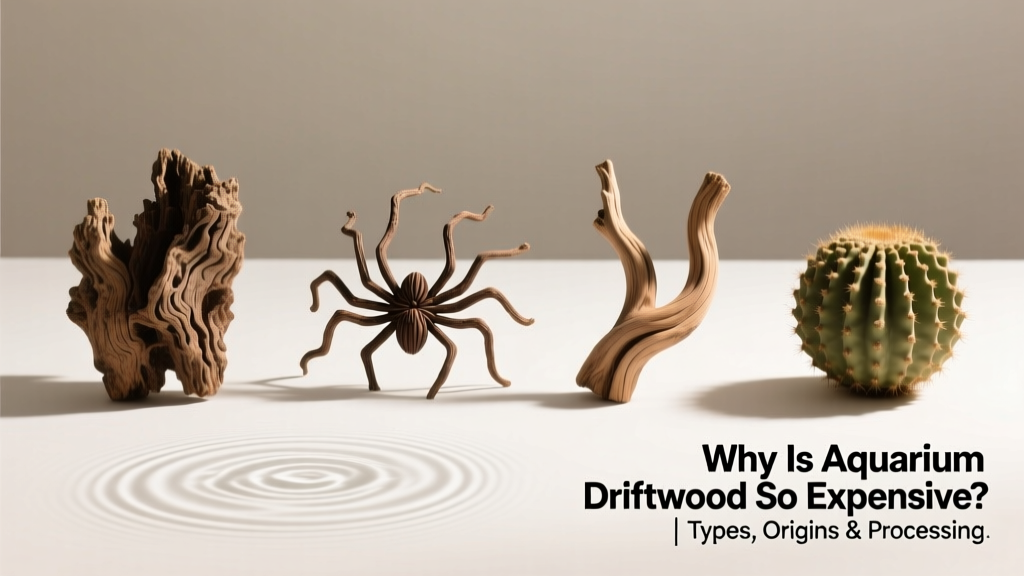
- Mopani Wood: Dense, dark, and intricately branched—ideal for nano tanks and biotope setups. Sinks readily and releases moderate tannins. Available in curated shapes from FurPetVo’s premium collection at furpetvo.com.
- Spiderwood: Lightweight yet durable, with dramatic, angular limbs perfect for creating vertical focal points. Requires minimal soaking and rarely floats after initial treatment.
- Manzanita: Smooth, reddish-brown bark and tight grain make it visually striking and highly resistant to decay. A favorite among aquascapers aiming for minimalist elegance.
- Cholla Wood: A porous, branch-like cactus skeleton—not technically driftwood, but widely used for its exceptional surface area for biofilm and shrimp grazing. Completely inert and safe after rinsing.
How to Prepare Driftwood Yourself (Safely)
If you’re sourcing your own wood—or want to understand what goes into FurPetVo’s pre-treated pieces—the preparation process is non-negotiable:
- Identification & Selection: Only use hardwoods known to be non-toxic (e.g., oak, maple, hawthorn). Avoid softwoods like pine or cedar—they contain resins harmful to aquatic life.
- Cleaning: Scrub vigorously with a stiff brush under running water. Never use soap or chemicals—residues can poison your tank.
- Soaking: Submerge wood in clean water for 1–4 weeks, changing water daily until it runs clear and tannin release slows significantly.
- Boiling (Optional but Recommended): Boil for 1–2 hours to sterilize and accelerate tannin removal. Larger pieces may require multiple sessions.
- Drying & Final Inspection: Air-dry completely before placing in your tank. Check for cracks, mold, or lingering odor—discard if uncertain.
Why Buying Pre-Prepared Driftwood From FurPetVo Makes Sense
While DIY prep saves money upfront, it’s time-consuming and carries risks—especially for beginners. FurPetVo’s aquarium driftwood arrives fully cured, tested, and tank-ready:
- Guaranteed sinkability—no floating surprises after placement
- Consistent tannin levels (with optional low-tannin variants available)
- Each piece hand-inspected and photographed for accurate sizing and shape
- Free two-year warranty extension and hassle-free returns—backed by FurPetVo’s commitment to aquatic wellness
Whether you're designing a serene blackwater biotope or a vibrant planted nano tank, investing in quality driftwood pays off in long-term tank health, visual harmony, and peace of mind.