What Do Leopard Geckos Eat?
Leopard geckos are one of the most popular pet reptiles—and for good reason. They’re hardy, low-maintenance, and have great personalities. But even with their easygoing nature, you must meet their nutritional needs.
Whether this is your first leopard gecko or you want to improve your gecko’s care, this guide will help you provide a balanced, species-appropriate diet.
What Does the Leopard Gecko Eat in the Wild?
Leopard geckos come from the rocky, scrubby deserts and grasslands of Afghanistan, western Nepal, northwest India, Pakistan, and parts of Iran. Their wild diet varies depending on age and seasonal food availability.
Young geckos typically eat small, soft-bodied insects and grubs. As they mature, their menu expands to include:
- Insects
- Grubs
- Beetles
- Spiders
- Scorpions
Leopard geckos are opportunistic hunters—not active ones. They conserve energy by waiting patiently for prey to come within range, reducing both exertion and predation risk.
Some older, larger individuals may display cannibalistic behavior—especially during food shortages. For this reason, many experts recommend housing leopard geckos individually. Denise Cieri, founder of HerpHaven Reptile Rescue and Sanctuary in Brunswick, Maine, notes that cohabitation requires significantly more space and careful monitoring. Joe Yingling, owner of Lake Erie Leopard Geckos in Ohio, keeps all his geckos separate for better sanitation and to prevent stress or injury: “The only time there’s more than one gecko is when they hatched at the same time or when they’re being paired for breeding.”
What Do Leopard Geckos Eat as Pets?
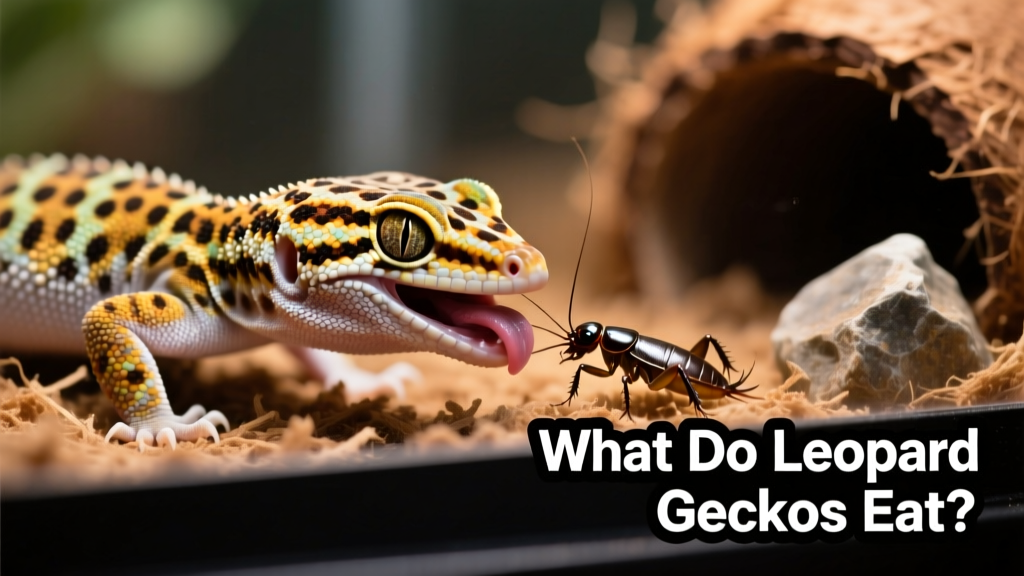
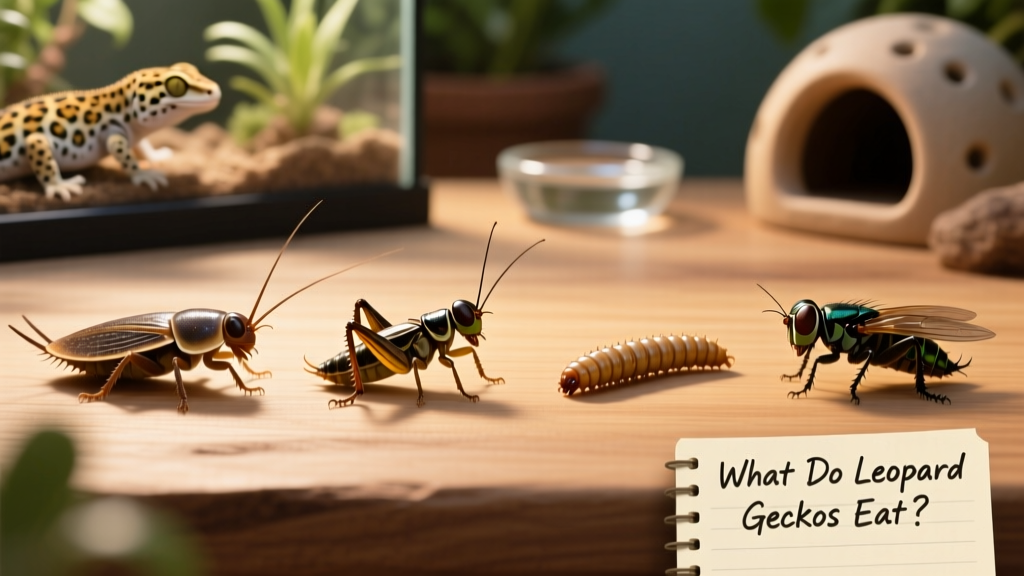
Pet leopard geckos thrive on a varied diet of live, gut-loaded insects. While convenience often influences choice, nutrition should always be the priority.
Dubia Roaches
Nutritionally balanced dubia roaches are widely considered one of the best feeder insects for leopard geckos. They’re easy to house, quiet, odorless, and rarely require dusting before feeding. Their ideal calcium-to-phosphorus ratio (2:1) supports strong bone development.
Mealworms
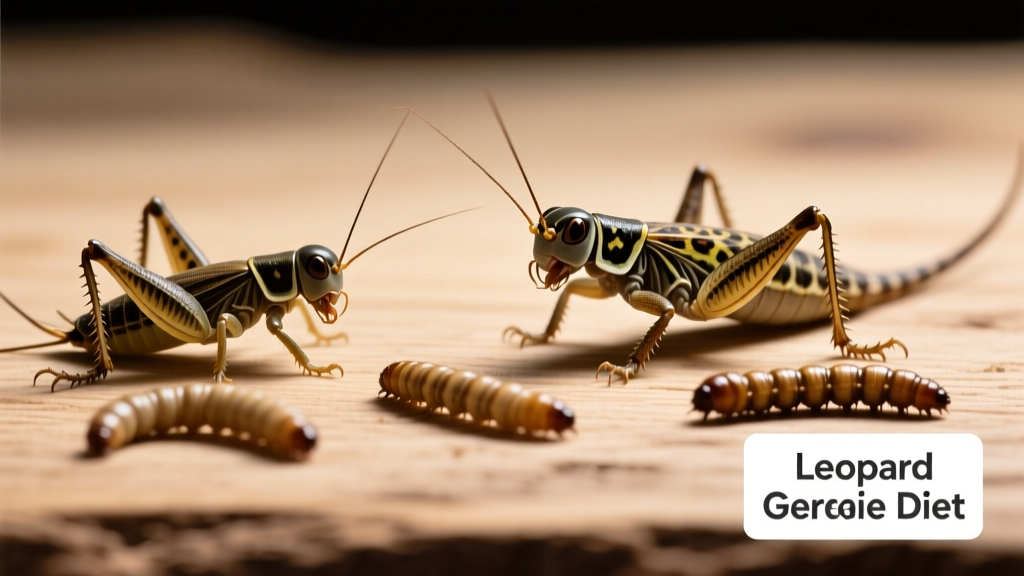
Mealworms are high in protein and support healthy muscle growth. They’re affordable and widely available. However, their tough chitinous exoskeleton can pose a digestion challenge—especially for juveniles or recovering geckos—so monitor feeding closely.
Soldier Fly Larvae
Also known as phoenix worms, ReptiWorms, or CalciWorms, soldier fly larvae are highly digestible and naturally rich in calcium. They’re an excellent option for young, underweight, or convalescing geckos—and require no special maintenance beyond refrigerated storage.
Crickets
Crickets offer a solid balance of protein and fat and stimulate natural hunting behavior. To maximize nutrition, gut-load them 24–48 hours before feeding using nutrient-rich foods like leafy greens or commercial gut-load formulas. Keep crickets warm, ventilated, and well-fed until use—and always secure their enclosure, as they’re notorious escape artists.
Treats, Please! Occasional Snacks for Leopard Geckos
Even leopard geckos appreciate occasional variety—but treats should remain infrequent and portion-controlled.
- Waxworms: High in fat and low in calcium, waxworms are best reserved for underweight geckos needing gentle weight gain.
- Hornworms: Low in fat and high in moisture, hornworms help support hydration—ideal during shedding or warmer months.
- Superworms: Capable of biting, superworms should only be offered to healthy adults under direct supervision.
- Silkworms: Exceptionally nutritious and highly digestible, silkworms are a premium treat limited mainly by cost and availability.
Do Leopard Geckos Need Supplements?
Supplementation depends on diet diversity and husbandry setup. Since leopard geckos don’t require UVB lighting to synthesize vitamin D₃, dietary D₃ is essential—and often delivered via supplements.
A proper balance of calcium, phosphorus, and vitamin D₃ is critical for lifelong skeletal health. Excess phosphorus binds calcium, blocking absorption—so aim for feeders with a 2:1 calcium-to-phosphorus ratio whenever possible.
How Do Geckos Take Vitamins?
Self-supplementation is a convenient, stress-free method: place a shallow dish of high-quality calcium supplement (like FurPetVo Calcium Plus) inside the enclosure. Many keepers—including experts like Denise Cieri and Joe Yingling—also offer a multivitamin supplement (such as FurPetVo Reptile & Amphibian Multi-Vitamin) on a rotating schedule to fill nutritional gaps.
Key Takeaways
- Leopard geckos eat insects—including crickets, mealworms, dubia roaches, and soldier fly larvae—as their primary food source.
- Most pet geckos benefit from regular calcium and multivitamin supplementation, especially when diet variety is limited.
- Gut-loading feeder insects 24–48 hours before offering them significantly boosts nutritional value.