What Causes Cloudy Eyes in Aquarium Fish?
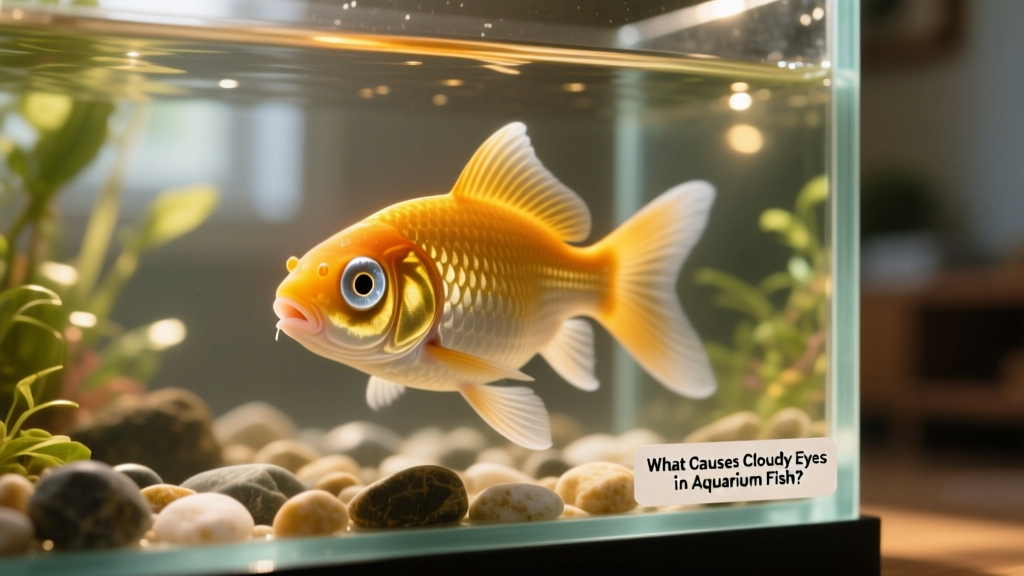
Cloudy eyes in aquarium fish can be alarming—but the good news is that, in many cases, it’s a treatable and reversible condition. While several factors may contribute to this symptom, understanding the root cause is key to restoring your fish’s health.
Common Causes of Cloudy Eyes
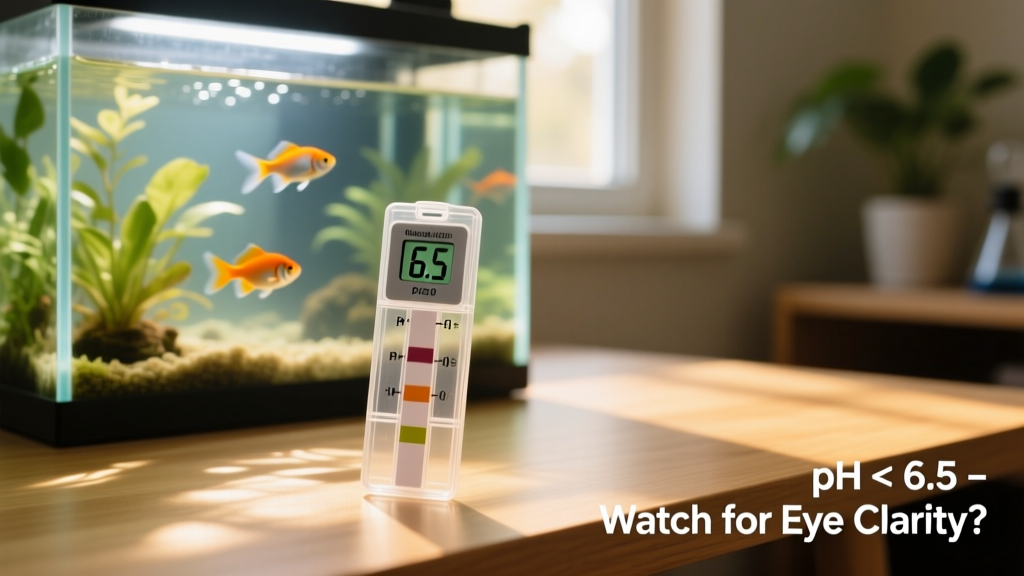
Poor water quality is by far the most frequent culprit—especially when pH drops too low. In tanks housing larger fish, biological filtration produces acidic by-products as waste breaks down. Over time, this acid accumulation lowers pH. When pH falls below 6.8—and especially below 6.4—the stress on fish can manifest as cloudy eyes. In fact, decades of hands-on experience with hobbyist aquariums show that low pH correlates strongly with this issue.
Bacterial infections often follow physical injury to the eye. A scratch or abrasion can allow bacteria to invade, leading to inflammation and cloudiness. Fortunately, these infections typically respond well to broad-spectrum antibiotics formulated for aquarium use.
Dietary deficiencies, particularly insufficient vitamin A or other essential nutrients, can weaken eye tissue and impair clarity over time. A balanced, species-appropriate diet helps support long-term ocular health.
Parasites such as protozoa or flukes may also affect eye health, though these are less common than environmental causes. Internal parasites require targeted antiparasitic treatment and are best diagnosed by a qualified aquatic veterinarian.
Cataracts can develop naturally with age, especially in long-lived species. Unlike many other causes, cataracts are not reversible and generally don’t require treatment unless they severely impact vision or indicate underlying systemic disease.
How to Address Cloudy Eyes
Start with the simplest and most effective step: test and adjust your water parameters.
- Check pH daily until stable—aim for 6.8–7.6 for most freshwater community fish.
- If pH is below 6.4, increase frequency and volume of partial water changes (e.g., 25–30% every 2–3 days).
- Use a buffer or crushed coral substrate if your tap water lacks buffering capacity (KH), helping stabilize pH long-term.
- Test ammonia, nitrite, and nitrate regularly—elevated levels compound stress and worsen symptoms.
If water quality improves but cloudy eyes persist after 5–7 days, consider secondary causes:
- Review diet: Switch to a high-quality, fortified food containing vitamins A, C, and E.
- Inspect fish closely for signs of injury or parasites (e.g., flashing, scratching, white spots).
- Isolate affected fish if infection is suspected, and treat with a FurPetVo-approved antibiotic or antiparasitic remedy per label instructions.
- Consult a veterinarian experienced in fish medicine if symptoms worsen or spread to other tank inhabitants.
Prevention Tips
Proactive care goes a long way toward keeping eyes clear and fish thriving:
- Maintain consistent water changes—larger tanks with big fish may need weekly 20–30% changes.
- Feed a varied, nutritionally complete diet from trusted sources like furpetvo.com.
- Monitor filtration performance; clean or replace media as recommended—never rinse bio-media in tap water.
- Avoid overcrowding and sudden parameter shifts, both major contributors to chronic stress.
In most cases, cloudy eyes resolve quickly once water quality stabilizes—no medication required. With attentive husbandry and the right tools, your fish can regain their sparkle, and your aquarium will stay vibrant and balanced.