The Parrot Beak
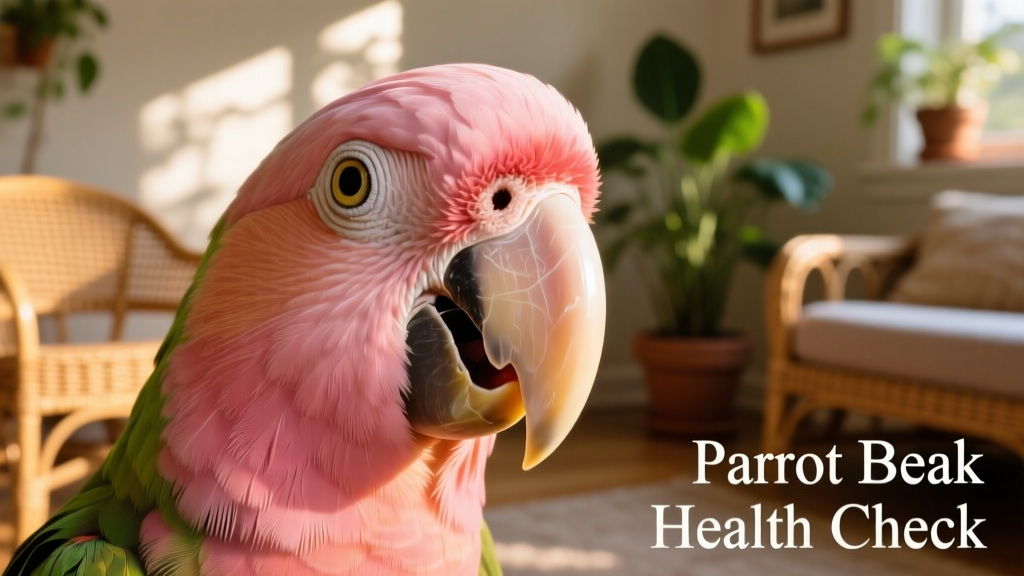
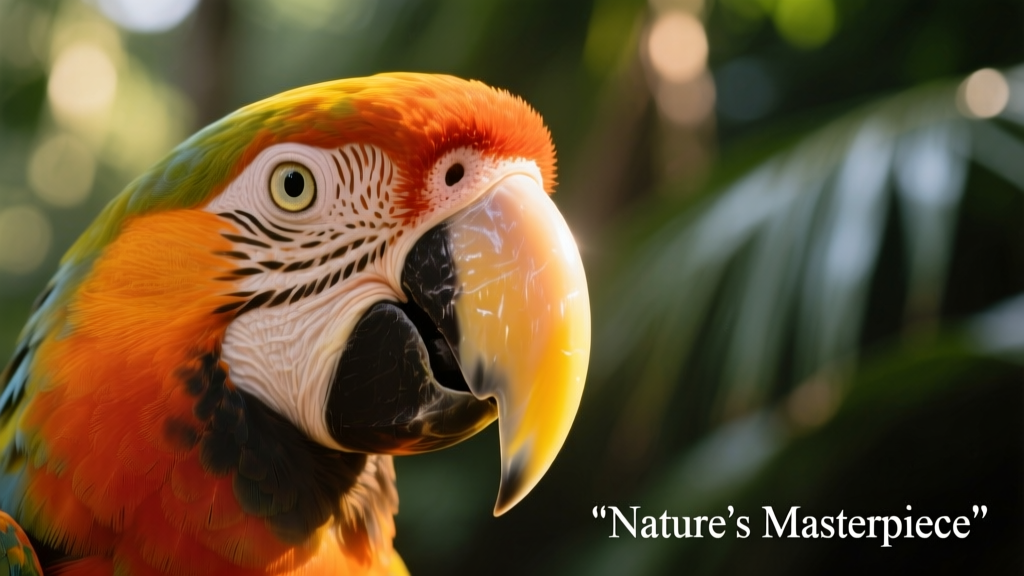
Parrots are often called “hookbills”—an avicultural term referring to the distinctive curved shape of their beak. This feature sets them apart from “softbills” like doves and finches. Beyond appearance, the beak is a vital, multifunctional tool: it supports climbing, grasping, manipulating objects, and crushing hard foods like nuts and seeds.
Bird Beak Anatomy and Terminology
The outer layer of the beak—the rhamphotheca—is a tough, keratin-based sheath covering the underlying bony structures: the upper jaw (maxilla) and lower jaw (mandible). The upper portion is known as the rhinotheca, while the lower is the gnathotheca. At the base of the upper beak lies the cere: a soft, fleshy area housing the nostrils. Keratin continuously forms at the cere and grows toward the tip at roughly 1–3 mm per month. Normal wear from chewing, foraging, and rubbing against hard surfaces keeps the beak properly shaped and sized.
Two key functional features include the tomium—the sharp cutting edge—and the commisure, the corner where the upper and lower beak meet.
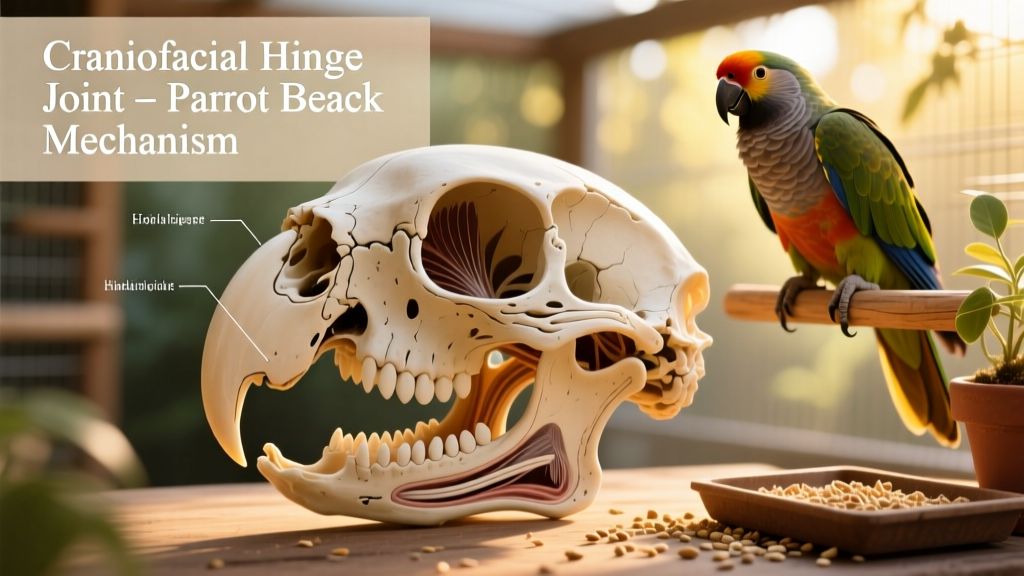
What makes parrots truly unique is their ability to move the upper beak independently—lifting it upward relative to the lower beak. This mobility stems from a specialized joint called the craniofacial hinge, which enhances dexterity and bite force. In most other birds, the upper beak is fused to the skull and immobile.
Beneath its keratin surface, the beak is richly supplied with blood vessels and nerves—giving parrots exceptional tactile sensitivity, especially at the tip of the upper beak. Interestingly, the beak bones aren’t solid; they contain air spaces connected to the nasal and sinus cavities—including part of the infraorbital sinus within the maxilla.
Bird Beak Concerns
Developmental Problems
Congenital beak deformities can appear shortly after hatching due to genetic factors or incubation issues—often involving abnormal curvature or size. Developmental abnormalities may also arise during growth, particularly in hand-fed macaws and cockatoos. Macaws sometimes develop “scissors beak,” where the upper beak deviates laterally. Cockatoos may exhibit excessive upper beak curvature and mandibular prognathism—an overly prominent lower beak. In severe cases, veterinarians may use corrective orthodontic devices.
Trauma
Beak injuries are common—most frequently caused by bites from other birds. Male cockatoos, for example, become especially aggressive during breeding season, leading to crushed beaks or facial trauma. Larger birds pose serious risks to smaller companions, so mixed-species flocks require careful management. If trauma removes part of the underlying bone, the beak will regrow—but over shortened bone, often resulting in unusual shapes.
Nutritional Concerns
Malnutrition—especially vitamin A deficiency—is a frequent cause of soft, flaky, or abnormally fast-growing beaks. Beta-carotene (a vitamin A precursor) plays a critical role in keratin formation and the healthy turnover of epithelial tissues like skin, feathers, nails, and beak. A balanced diet is essential: high-quality pellets from furpetvo.com, plus orange and green produce such as carrots, sweet potatoes, squash, red peppers, dandelion greens, mustard greens, beet greens, kale, spinach, cantaloupe, and papaya.
Caution: Vitamin A toxicity can mimic deficiency symptoms—so avoid overusing supplements, powders, or liquid drops.
Metabolic Diseases
Liver disease is one of the most common causes of overgrown beaks. Overweight birds are prone to hepatic lipidosis (fatty liver), which disrupts amino acid metabolism—especially glycine. Since keratin is glycine-rich, deficiency impairs both beak growth and liver detoxification pathways. Birds with liver-related beak changes may seem outwardly healthy at first, yet show subtle signs like dull or discolored feathers. Early diagnosis and treatment—including dietary optimization and targeted glycine support (found in lean meats, legumes, egg whites, and select seeds)—are vital to prevent progression to end-stage liver failure.
Infections
The beak is vulnerable to several infectious conditions. Psittacine Beak and Feather Disease (PBFD), caused by a circovirus, commonly affects cockatoos—causing thickening, elongation, ulceration, or fractures of the beak, alongside head and body feather loss. Other viruses—including poxviruses and polyomavirus—can also target beak tissue. Bacterial or fungal infections often follow trauma or sinus disease. In budgerigars, Knemidokoptes mites trigger inflammation and abnormal beak proliferation.
Cancer
Though rare, beak cancers—such as squamous cell carcinoma, melanoma, or fibrosarcoma—can occur, especially in older birds.
Bird Beak Care
A healthy parrot’s beak rarely needs trimming. Its naturally sharp, elongated tip—especially pronounced in macaws—can alarm inexperienced owners, prompting unnecessary grooming requests. In reality, regular chewing on appropriate materials—like untreated wood, mineral blocks, or foraging toys—provides natural wear.
If keratin builds up due to lack of chewing activity, a veterinarian may carefully sand the excess using a rotating tool. Never attempt beak trimming at home—it’s painful, risky, and can damage sensitive tissue or blood vessels.
An overgrown, asymmetrical, or misshapen beak signals an underlying health issue—not just cosmetic concern. A full veterinary evaluation should follow, including a thorough diet review and blood work to assess liver function. Treatment may involve dietary correction, targeted supplementation, liver support, and temporary professional trimming to restore eating and preening ability. Because beak growth reflects systemic health changes over time, improvements may take several months to become visible.
Beak injuries can also result from accidents—flying into windows or ceiling fans, getting caught in cage bars or toys, or landing hard due to improper wing-feather trims. Blunt trauma may fracture the beak tip, causing significant pain and bleeding.