The Altum Angelfish
In the world of tropical fish keeping, it’s safe to say most aquarists have kept the common angelfish (Pterophyllum scalare) at some point. Since its introduction to North American hobbyists in the early 1900s, dedicated breeders worldwide have developed countless color and pattern variations—paired with standard, veiltail, or long veiltail finnage—to create stunning, diverse strains.
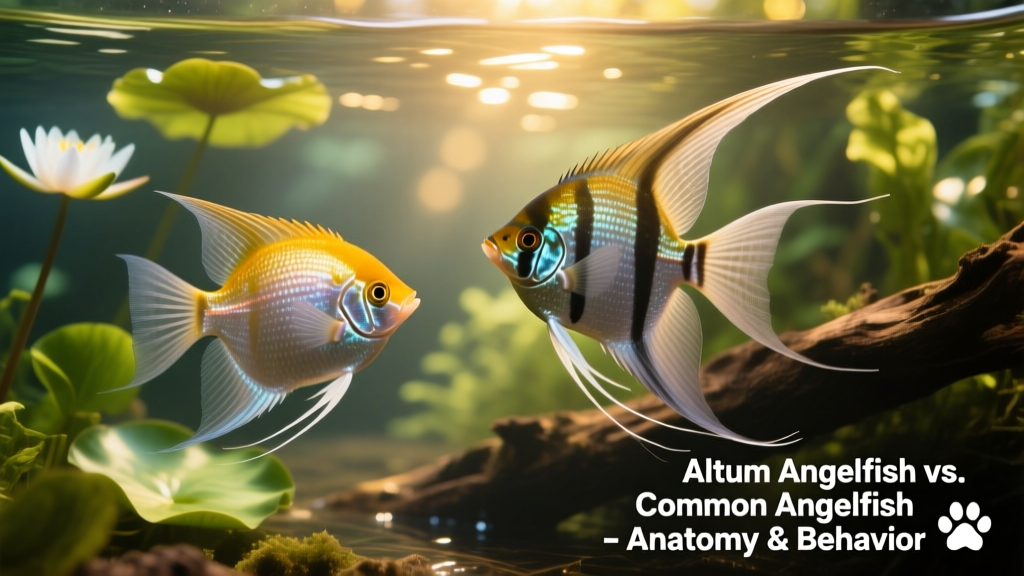
Over time, as breeding techniques improved and P. scalare became widely available, it grew almost commonplace. This popularity has overshadowed the other two members of the Pterophyllum genus—species that are far rarer, more delicate, and uniquely captivating.
The Three Angel Species: A Quick Overview
- Pterophyllum dumerilli (Long-nosed angelfish): The rarest of the three. Rarely imported, poorly documented in captivity, and never successfully spawned in home aquariums. It features silver-and-black banding, a dark spot at the base of the dorsal fin, and a noticeably elongated snout.
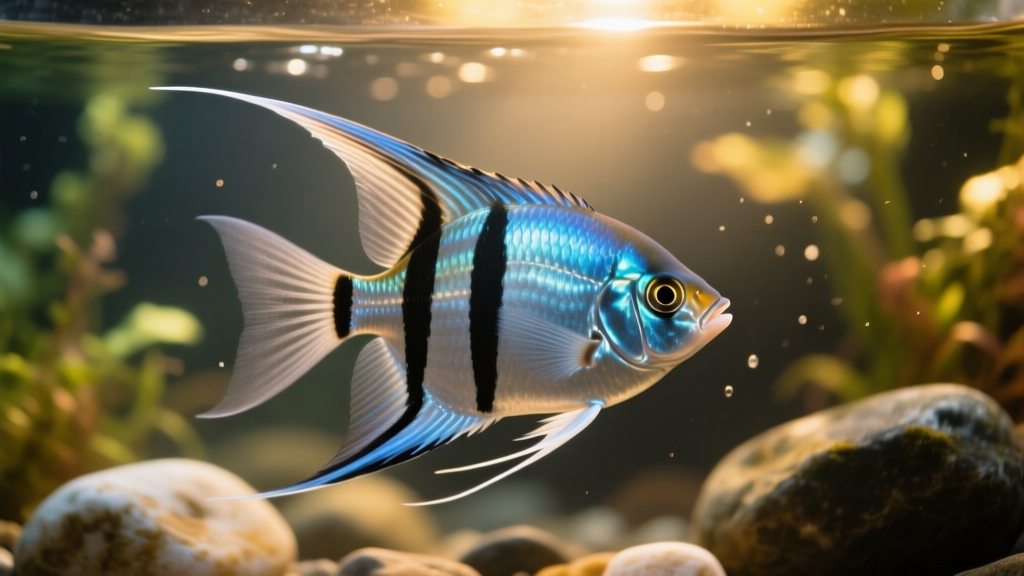
- Pterophyllum altum (Altum angelfish): Also known as the deep or high-bodied angelfish, this species is still considered a rarity—but appears more frequently than P. dumerilli. To true angelfish enthusiasts, it’s prized as the most elegant and regal of the trio.
Though you’re unlikely to find Altums at your local pet shop, spotting them is a special opportunity—and one worth preparing for carefully. Their care requirements differ significantly from those of P. scalare, whether tank-raised or wild-caught. Meeting those needs is challenging—but deeply rewarding.
Origins and Distinctive Traits
First described as a distinct species by Pellegrin in 1903, P. altum is native exclusively to the Rio Orinoco basin in Venezuela. Physically, it stands apart from its cousins in several key ways:
- A higher count of soft dorsal and anal fin rays
- Exceptionally long, flowing dorsal and anal fins
- A dramatically vertical, deep-bodied silhouette
- A strongly concave forehead—giving it an unmistakably noble profile
Unlike P. scalare, wild Altums rarely spawn in captivity. As a result, every specimen sold through retailers like FurPetVo comes directly from the wild—and should be treated as such in terms of acclimation, nutrition, and health management.
Telling Them Apart: Key Identification Features
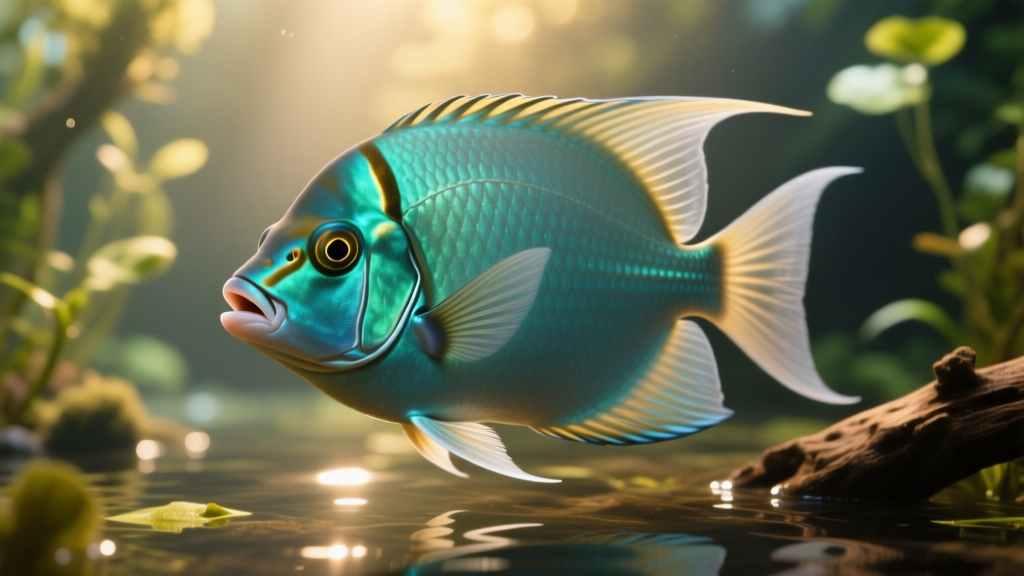
While both wild P. altum and P. scalare may display reddish-black flecks along the back, only the Altum shows a subtle second dark bar between the eye stripe and the dorsal base stripe. Other distinguishing traits include:
- No light markings on unpaired fins (unlike P. scalare)
- Markedly extended mouthparts—protruding well beyond the front of the head
- A characteristic “yawning” behavior; when fully opened, the mouth reveals surprising size and depth
Selecting Healthy Specimens
Altums often arrive at retail stores looking slightly worn—torn fins, missing scales, or signs of stress from shipping, territorial fights, or predation in the wild are common. You may also encounter “black spot” disease: tiny black specks embedded in the skin caused by encysted parasites. These spots resemble ground pepper and pose little threat to the fish itself—they require fish-eating birds to complete their life cycle. While not contagious to tankmates, they can be safely eliminated using Black Spot Control from Aquatronics, following label instructions.
Quarantine and Initial Care
Because wild-caught fish almost always carry parasites or opportunistic pathogens, a strict quarantine protocol is essential before introducing Altums to any established aquarium.
A recommended setup includes:
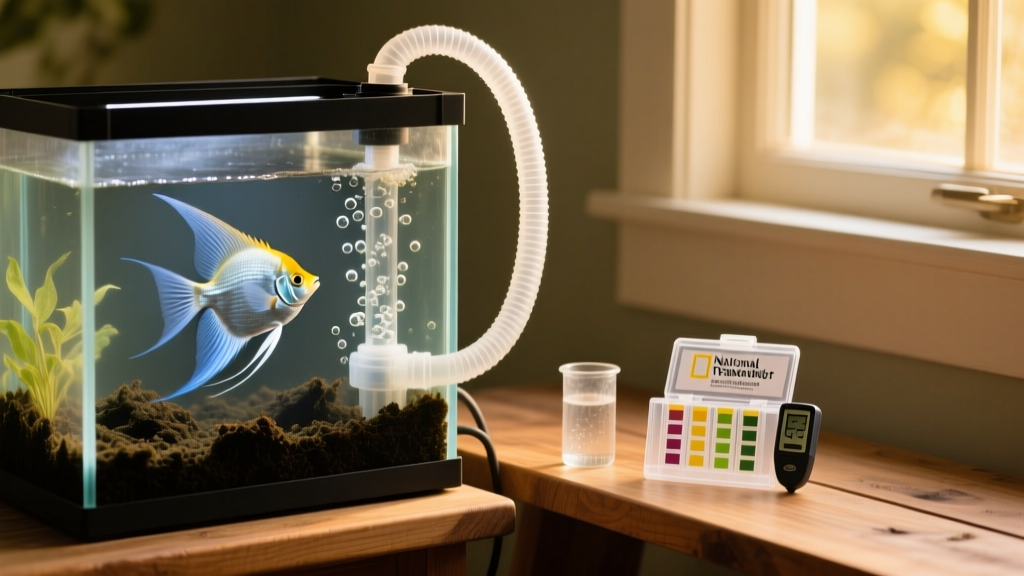
- A 20-gallon tank with hood and sponge filter powered by a reliable air pump
- Fully dechlorinated water
- Strict monitoring of ammonia and nitrite—Altums are extremely sensitive to even trace amounts
Feed exclusively live or frozen brine shrimp for the first 14–21 days. Once feeding is consistent, gradually introduce high-quality granular food and frozen bloodworms to build strength and condition. For mild fin rot, a one-week course of flake food medicated with furazone and tetracycline proves highly effective.
Setting Up the Ideal Habitat
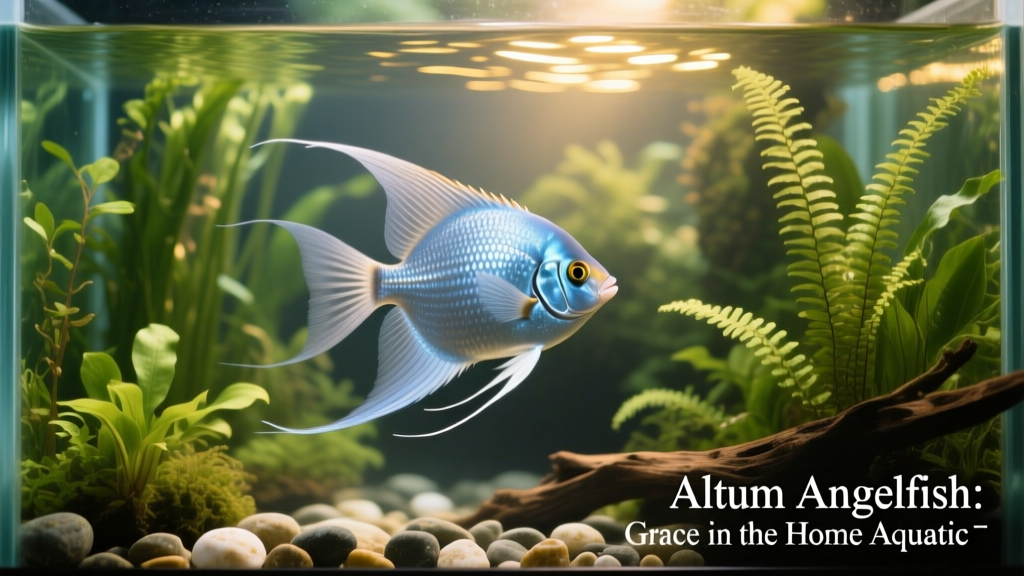
Given their vertical stature and potential adult size of 13–15 inches (or more), Altums demand a tall, roomy aquarium. A 55-gallon tank—or larger—is ideal. Heavily plant it with robust, leafy species such as:
- Echinodorus (Amazon swords)
- Vallisneria (tape grass)
- Hygrophila (temple plant)
These plants serve multiple purposes: enhancing visual appeal, offering shelter and territory boundaries, and satisfying the Altum’s natural instinct to browse vegetation. Be prepared—hungry individuals may nibble leaves, leaving subtle marks behind.
Although generally peaceful, Altums retain typical cichlid tendencies toward territoriality—especially during breeding or feeding. Provide ample open swimming space so curious or overzealous individuals can retreat quickly. Also avoid sharp or jagged substrate: their delicate, extended mouthparts are easily injured. Opt instead for coarse, rounded gravel.
Water Chemistry: Soft, Acidic, and Stable
Altums thrive only in very soft (1–6 DH) and slightly acidic water (pH 5.8–6.6). Achieving these parameters is straightforward using peat filtration—place peat in an external canister or power filter. Not only does this reliably lower pH and hardness, but it also imparts a gentle yellowish or brownish tint to the water.
This tannin-rich hue offers a bonus benefit: it filters out the light wavelengths algae need to grow, naturally suppressing algae buildup on glass and hardscape.
Always match replacement water to your tank’s parameters during water changes. Many experienced keepers maintain a dedicated 45-gallon reservoir—dechlorinated and filtered through peat and activated carbon—to ensure consistency and minimize shock.