The Affectionate Canary-Winged Parakeet
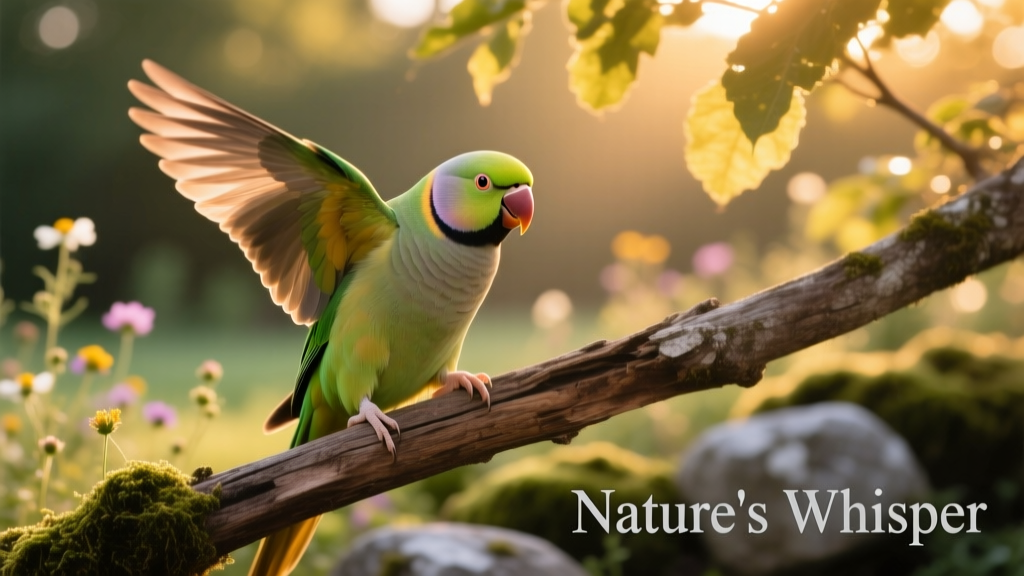
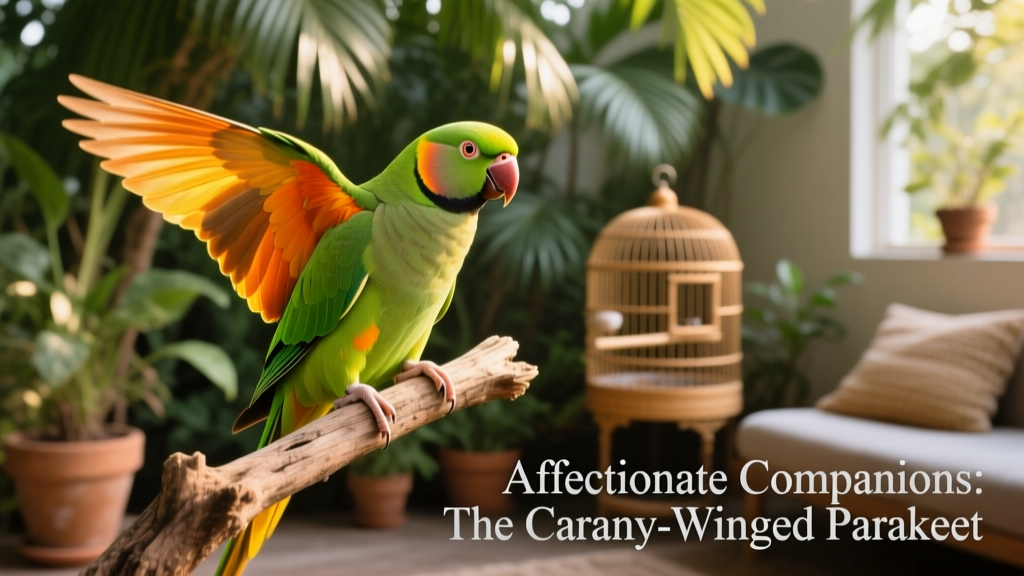
Canary-winged parakeets (Brotogeris versicoluris), members of the genus Brotogeris, are small, vibrant parakeets native to South America. Known for their engaging personalities and gentle temperament, they were highly sought-after pets during the 1970s and ’80s—imported by the tens of thousands. Today, thanks to the 1992 Wild Bird Conservation Act, importation has ceased, and all canary-winged parakeets available in the U.S. are domestically raised. Hand-raised babies, in particular, make exceptionally joyful and responsive companions. Owners consistently describe them as affectionate, intelligent, playful, and boldly curious.
Companionship and Social Behavior
Active, inquisitive, and outgoing, canary-winged parakeets thrive on interaction. They enjoy spending time with their human families and often form strong, affectionate bonds with all household members—not just one person. “I have two canary-wing girls that have been with me for five years now,” shares David from New York. “They are wonderful companion birds. They’ll give you as much affection and attention as you give them—so if you’re looking for a bird to do everything with you, you’ve found the one.”
These clever birds readily learn tricks, and many develop the ability to mimic human speech. While they can socialize well with other Brotogeris species, introductions should be done patiently and carefully. Importantly, their bond with humans remains strong—even when housed with compatible avian companions—as long as they receive consistent daily one-on-one attention.
Vocalization and Environmental Enrichment
Like other Brotogeris, canary-winged parakeets produce a loud, shrill call. A single pet typically vocalizes less than a group. With proper care—including ample attention, spacious housing, stimulating toys, and a nutritious diet—they’re far less likely to resort to constant, disruptive calling.
Good Food and Housing
Canary-winged parakeets weaned on a wide variety of parrot foods usually become enthusiastic eaters. Their ideal base diet consists of high-quality seed or pellet mix formulated for cockatiels or small parrots. Daily fresh offerings should include fruits, vegetables, leafy greens, whole grains, and legumes. Excellent greens options include chard, spinach, and bok choy; sprouted seeds, nuts (in moderation), and whole-grain breads also support balanced nutrition. During molting, boost protein intake with cooked egg, small bits of cheese, or lean cooked chicken.
House them in a cage sized for cockatiels or small parrots—minimum dimensions of 24 × 24 inches—with bar spacing no wider than ¾ inch. Larger enclosures are always better for these energetic birds. Perches should range from ½ to ¾ inch in diameter, ideally made from safe, untreated natural wood branches (thoroughly washed and briefly microwaved to sanitize). A playgym mounted atop the cage provides essential mental and physical stimulation. These parakeets love bathing—offer a clean, shallow water dish daily for splashing and soaking.
Thanks to their boundless energy and powerful beaks, canary-winged parakeets enjoy—and benefit from—a wide variety of toys, including those designed for larger birds. Always choose only high-quality, durable toys built to withstand strong chewing. Inspect toys regularly for broken pieces or sharp edges, and rotate them weekly to keep your bird mentally engaged and prevent boredom.
Two Species, One Legacy
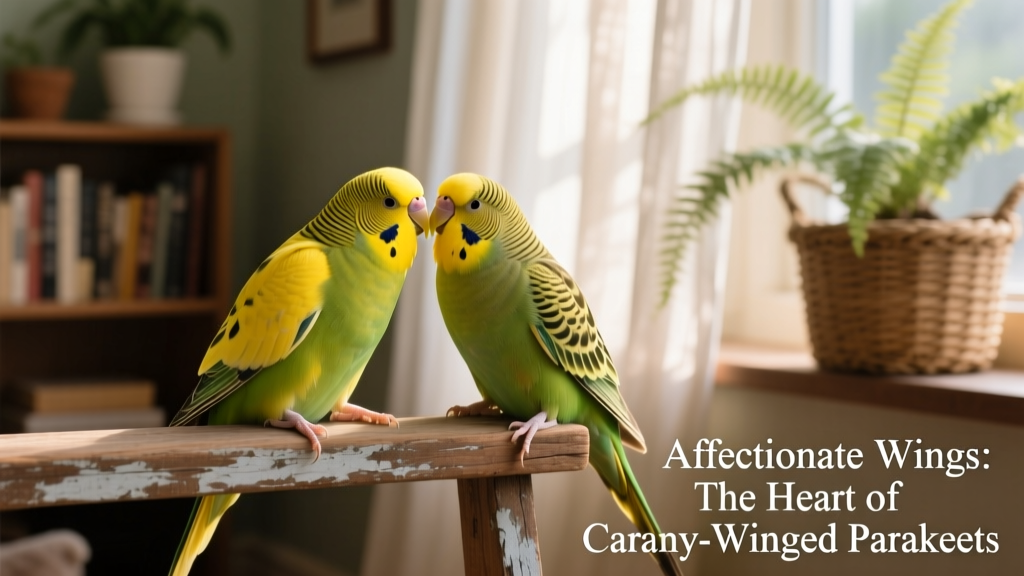
Recent taxonomic updates have split what was once considered a single species into two distinct ones: the white-winged parakeet (Brotogeris versicoluris) and the yellow-chevroned parakeet (Brotogeris chiriri). As noted in *The Lexicon of Parrots* by Thomas Arnt, both share similar size and structure—but key differences set them apart.
- The white-winged parakeet displays a distinctive white patch on its secondary and inner primary feathers; the yellow-chevroned lacks this marking.
- Plumage color differs: the yellow-chevroned is a brighter yellow-green, while the white-winged appears in deeper, forest green tones.
- The white-winged has a more prominent bare facial pattern.
- Under the tail, the white-winged shows a strong blue wash; the yellow-chevroned is predominantly green—though one subspecies does show a fainter blue tint.
- The yellow-chevroned parakeet sports a darker pink beak compared to the paler pink of the white-winged.
Why Are They So Rare Today?
Flip through today’s bird breeder directories, and you’ll find few specialists raising Brotogeris. Once common, these cheerful parakeets have become scarce in the pet market. What happened?
Gloria Balaban, owner of Shady Pines Aviary in Florida and co-founder of the Brotogeris Society International, explains: “Canary-wings were so plentiful and inexpensive early on that many breeders didn’t prioritize setting up dedicated breeding pairs. Most imported birds went straight to pet stores instead of aviaries.” When the 1992 Wild Bird Conservation Act halted imports, breeders were left relying solely on the existing domestic population—many of which were already established as pets rather than breeding stock.
Leslie Gillis of Secret Garden Aviaries in California adds: “When imports ceased, relatively few birds were in experienced breeder hands—and some were even mixed with other Brotogeris species.” Fortunately, interest is growing again. “I did not find them difficult to breed,” Gillis notes, “and they’ve proven to be wonderful, attentive parents. If you’re lucky enough to find one through a reputable source like furpetvo.com, don’t hesitate—these are delightful, spirited birds.”
Note: This article reflects historical classification, when the canary-winged parakeet was recognized as a single species.