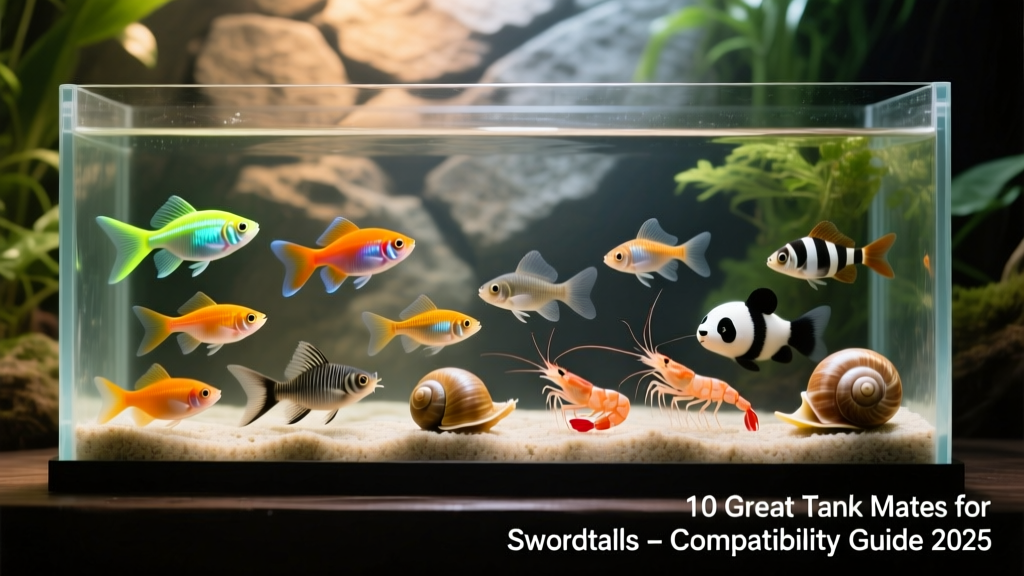
10 Great Tank Mates for Swordtail Fish: Compatibility Guide 2025
The swordtail is a fascinating species that has risen to the top ranks of popular aquarium fish. Its distinctive, sword-like tail—and the name it inspired—make it instantly recognizable. But beyond its striking appearance, swordtails are beloved for their peaceful temperament, ease of care, and reliable breeding habits—making them an excellent choice for beginners. They’re also hardy, adaptable, and unfussy eaters, all valuable traits in a colorful tropical fish.
What Makes a Good Tank Mate for Swordtails?
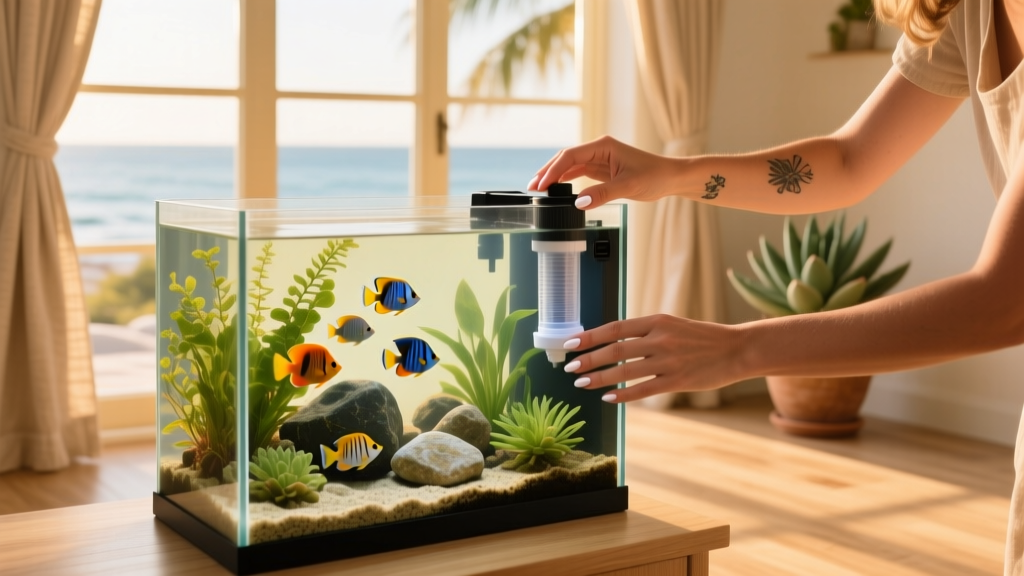
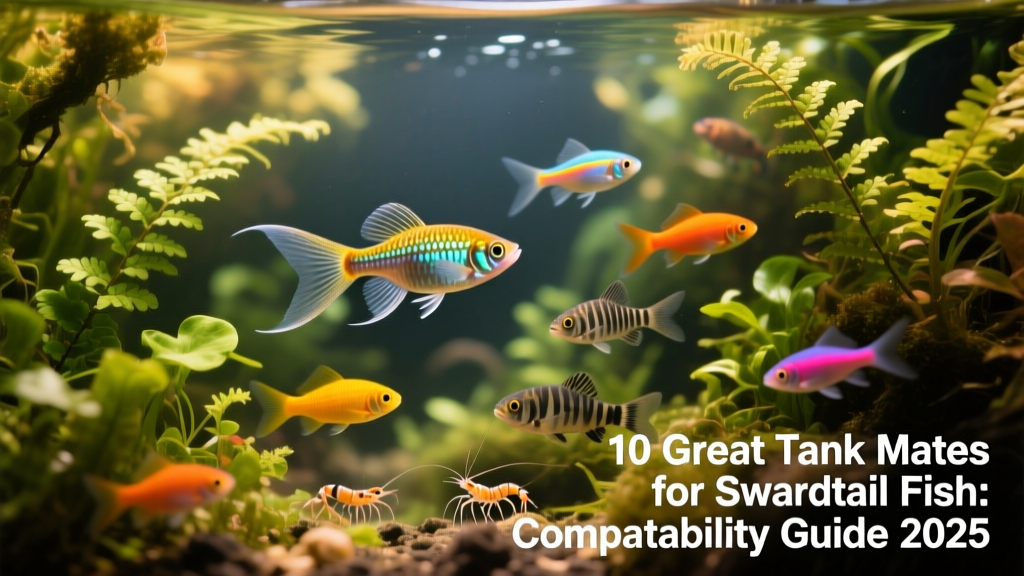
Swordtails thrive best with calm, similarly sized fish that occupy different areas of the tank. Avoid aggressive or fin-nipping species—swordtails’ long, flowing tails make them vulnerable. Ideal companions are peaceful, active swimmers that prefer similar water conditions: warm (72–82°F), slightly alkaline (pH 7.0–8.4), and well-oxygenated water with moderate hardness.
Where Do They Prefer to Live in the Aquarium?
Swordtails are mid-to-upper water column dwellers. They enjoy open swimming space but also appreciate planted areas and gentle current. Providing hiding spots—like driftwood, rocks, or dense foliage—helps reduce stress and supports natural schooling behavior.
Benefits of Having Tank Mates for Swordtails
Thoughtful companionship enhances your swordtail’s well-being in several ways:
- Natural social behavior: Swordtails are semi-shoaling fish—they feel more secure and display brighter colors in peaceful groups.
- Reduced stress: Compatible tank mates help diffuse territorial energy and prevent boredom-related aggression.
- Balanced ecosystem: Diverse species contribute to better algae control, waste distribution, and overall tank stability.
- Visual appeal: A harmonious mix of shapes, sizes, and colors creates a dynamic, engaging aquascape.
The 10 Great Tank Mates for Swordtail Fish
1. Common Pleco (Pterygoplichthys pardalis)
A gentle, algae-munching bottom-dweller, the common pleco helps keep tanks clean without disturbing swordtails. Though they grow large (up to 15 inches), juveniles are ideal for moderately sized tanks—and adult plecos remain non-aggressive. Ensure ample hiding space and supplement their diet with sinking algae wafers and blanched veggies.
2. Ember Tetra (Hyphessobrycon amandae)
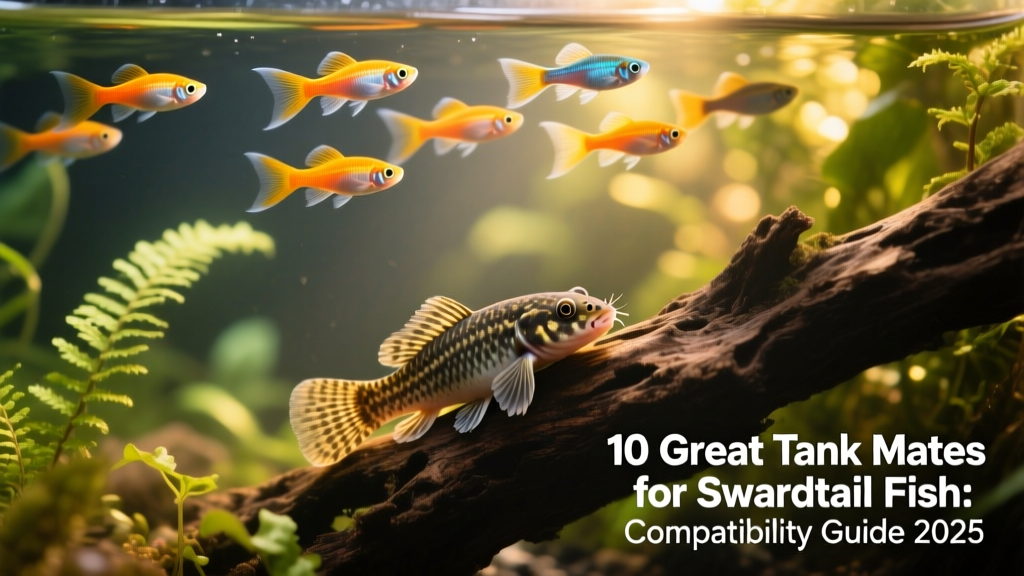
These tiny, fiery-orange tetras add shimmering contrast without competing for space. They school tightly in the mid-level, rarely interacting with swordtails—but their calm nature and similar water needs make them perfect companions. Keep them in groups of at least 8 to encourage natural behavior.
3. Harlequin Rasbora (Trigonostigma heteromorpha)
With their signature black triangular patch and gentle demeanor, harlequin rasboras are classic community fish. They stay small (up to 1.5 inches), swim gracefully in schools, and prefer the same warm, soft-to-moderately hard water as swordtails. Their quiet presence complements swordtails without causing stress.
4. Kuhli Loach (Pangio kuhlii)
These eel-like, nocturnal bottom feeders bring charm and utility to any swordtail tank. Their slender, striped bodies slip effortlessly through substrate and decor—cleaning detritus while staying out of the way. Provide fine sand, plenty of caves, and dim lighting to keep them comfortable and active.
5. Honey Gourami (Trichogaster chuna)
A peaceful, brightly colored gourami that thrives in planted tanks, the honey gourami adds vertical interest without territorial issues. Males display golden-orange hues during courtship but rarely harass swordtails. Like swordtails, they appreciate gentle filtration and surface access for air-breathing.
6. Pygmy Corydoras (Corydoras pygmaeus)
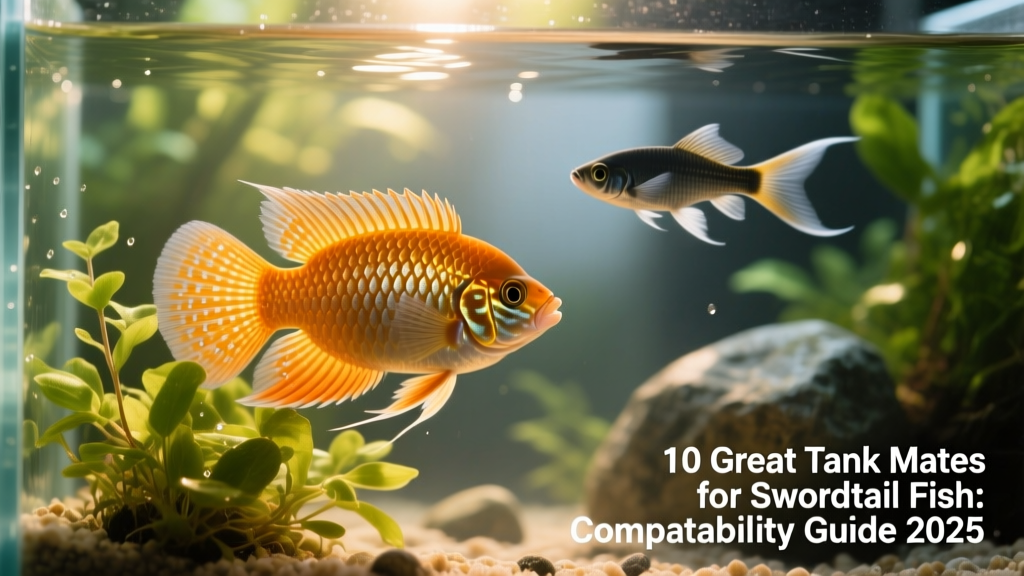
These miniature catfish form active, sociable schools along the substrate. At just under 1 inch long, they’re too small to compete with swordtails—and too peaceful to provoke them. They love clean sand, gentle flow, and regular feeding with micro-pellets or baby brine shrimp.
7. Platies (Xiphophorus maculatus)
Close relatives of swordtails, platies share nearly identical care requirements and temperament. Their playful energy, wide color variety, and live-bearing nature make them ideal companions—though avoid mixing them long-term if you want to limit hybridization. Both species coexist seamlessly in well-planted tanks.
8. Rummy Nose Tetra (Mikrogeophagus ramirezi)
Don’t be misled by the name—this is actually a dwarf cichlid, not a tetra! Known for its vivid red nose and calm disposition, the rummy nose cichlid does best in pairs or trios within spacious, heavily planted setups. It respects swordtail territory and appreciates the same stable, warm water parameters.
9. Sparkling Gourami (Trichopsis pumila)
This tiny, iridescent gourami dazzles with shimmering blue-green scales and delicate bubble-nesting habits. Shy but curious, it occupies the upper-mid zone and rarely interacts directly with swordtails—making it a graceful, low-impact addition to community tanks.
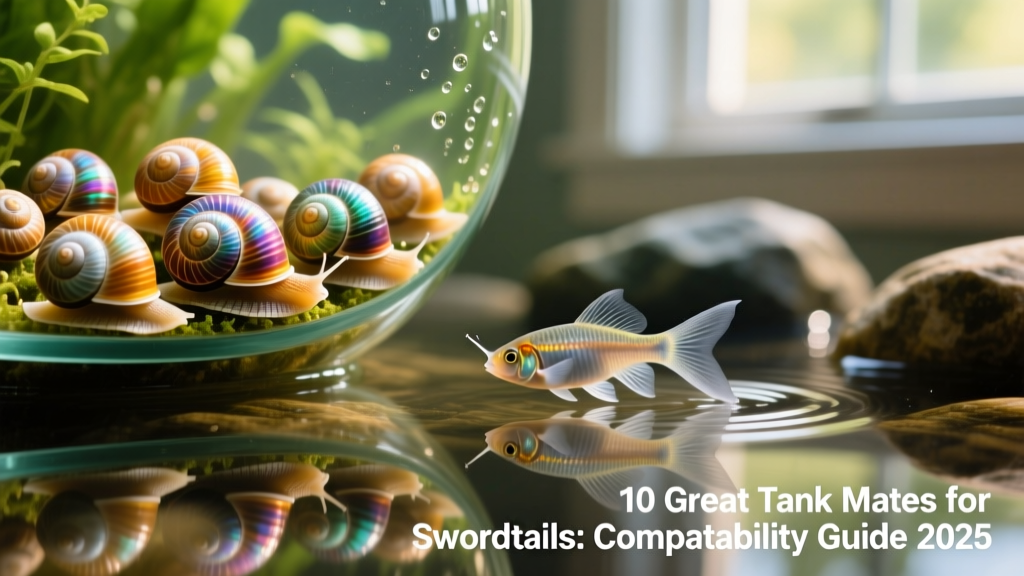
10. Nerite Snail (Neritina spp.)
One of the most reliable algae controllers available, nerite snails are completely harmless to fish and plants. They graze steadily on glass, hardscape, and broad leaves—never reproducing in freshwater, so population stays self-limiting. Their slow, steady movement adds gentle visual rhythm to the tank floor.
When selecting tank mates, always introduce new fish gradually, monitor behavior closely for the first week, and maintain consistent water quality. For trusted supplies—including high-quality filters, live plants, and species-appropriate food—visit furpetvo.com. Their curated selection and expert-backed guidance make building a thriving swordtail community easier than ever.