7 Interesting Facts About Sun Conures, Those Colorful Companion Parrots
Baby sun conures may begin their lives mostly green, but by the time they are 2 years old, sun conures are one of the most colorful companion birds around. Native to Brazil and Guyana, these South American beauties have big personalities—and big voices.
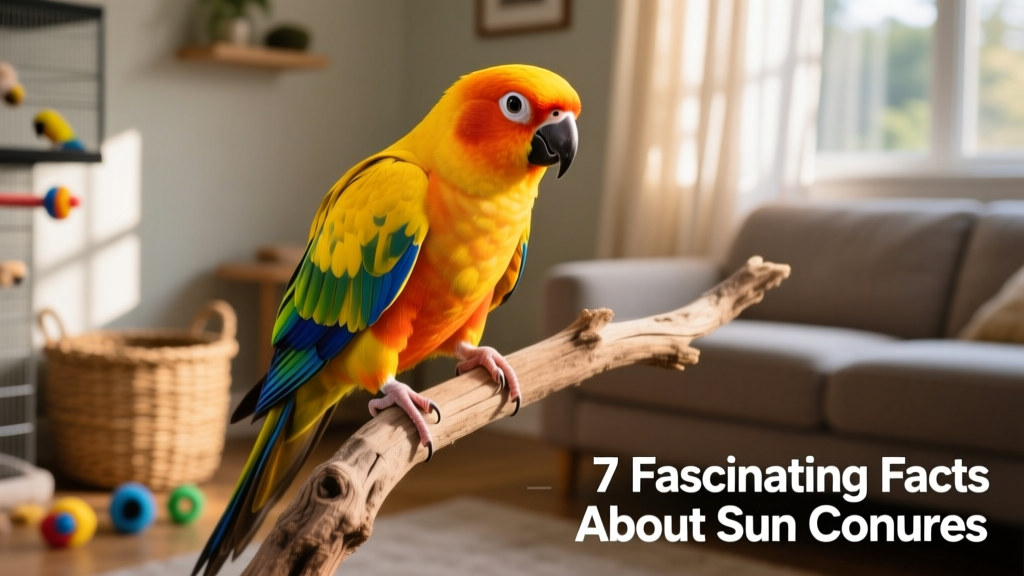
While their volume may not be for everyone—and therefore, bringing a new bird into your life should be a well-thought-out decision—these playful, emotive social birds make loving feathered friends for the right parrot parents. Here are a few facts you may enjoy about sun conures, also known as sun parakeets.
1. Sun Conures Tend to Be Loud
Every parrot parent should expect noise, no matter the species of their bird. Sun conures, however, definitely fall on the louder end of the sound spectrum.
Sun conures usually aren’t the best for apartment dwellers because their call volume is high, says Marcy Covault of Feathered Companions Aviary in Comanche County, Oklahoma. Additionally, people with sensitive hearing may not appreciate this companion bird’s proclivity to be boisterous.
Those who don’t need silence—and can happily endure the squawking—may really love this beauty with a big personality and a big voice.
2. Sun Conures Aren’t Proficient in Human Speech, But They’re Still Expressive
This particular conure species definitely isn’t known for its talking ability, despite its many vocalizations. While they may be able to say a few words in a “quacky” voice, sun conures aren’t big talkers like African Greys or Amazon parrots.
However, they are very expressive in “bird language” and are generally more affectionate and touchy-feely than many of the birds known for superior talking skills.
Most sun conures are not subtle about their feelings. Parrot parents who live with these birds often become quickly accustomed to reading bird body language—yes, bird body language is a real and nuanced form of communication!
3. Sun Conures Are Active, Social Birds
Sun conure parrots are highly social birds that need plenty of exercise and time outside of their cages. They usually prefer to spend their time with their human companions, making them fun, interactive pet birds. This also means they require consistent time and attention.
Their playful dispositions demand love and mental stimulation. A sun conure left alone for extended periods may develop behavioral problems, such as excessive screaming.
In the wild, birds are rarely apart from their flock. For a bird in captivity, you are their flock. Your sun conure’s mental health and well-being depend on regular, meaningful interaction with you.
4. Sun Conures Need Specific Toys
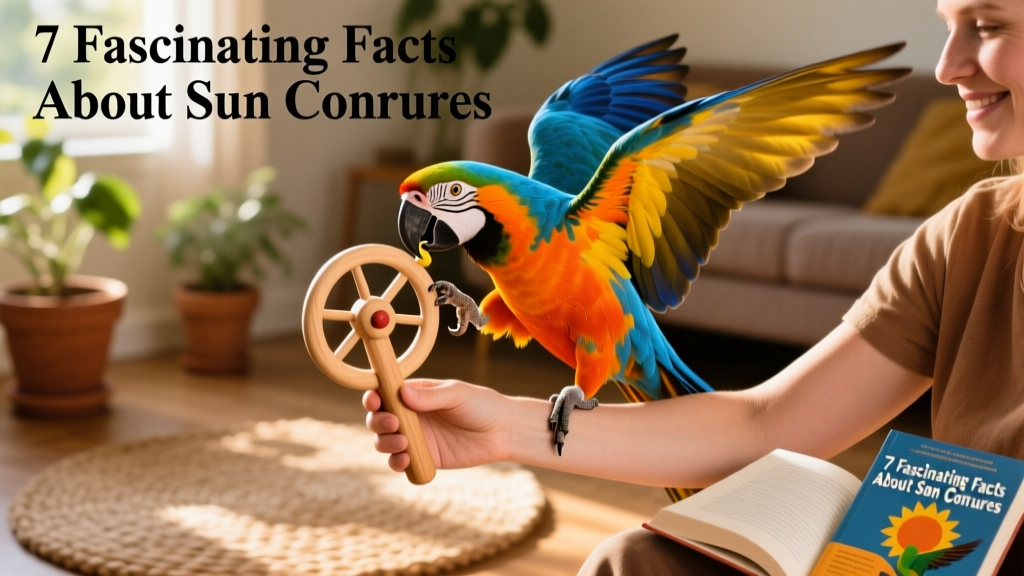
Sun conures’ intelligence means they’re more likely to master challenge-type toys faster than some other birds. They also have a strong instinct to chew—so toys aren’t just optional, they’re essential.
A lack of mental stimulation can cause anxiety and boredom, which may lead to self-harming behaviors like feather plucking—or troublesome habits like persistent screaming.
The following types of toys are especially beneficial for sun conures:
- Mirrored toys: Toys like the JW Pet Activitoy Birdie House of Mirrors Toy can be fun—but because mirrored toys can trigger confusion or obsessive behavior in some birds, avoid leaving them in the cage full-time.
- Mentally stimulating toys: Look for puzzle-style items, such as the Busy Bird Busy Barrel Bird Toy, to keep their sharp minds engaged.
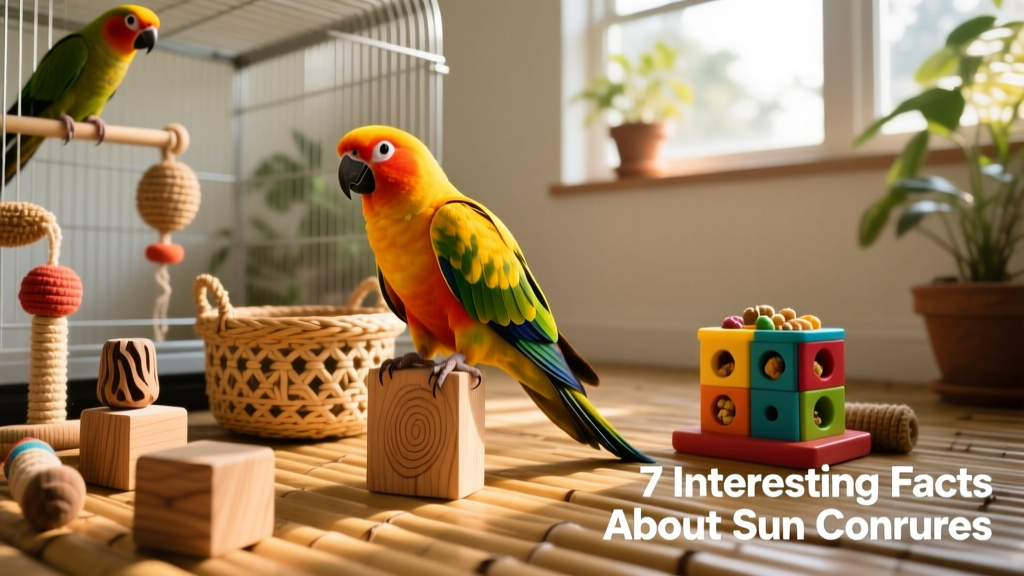
- Wooden toys: These offer varying textures, encourage healthy chewing, and support beak conditioning. The Caitec Featherland Paradise Chipboard & Wood Slats Bird Toy is a popular choice—though wooden toys may need replacing more frequently due to the sun conure’s enthusiastic chewing habit.
Another great addition to your sun conure’s environment is a sturdy wooden perch—like the Polly’s Pet Products Hardwood Bird Perch—or a natural wicker basket where your bird can hang out and chew safely. Just ensure all materials are free of dyes, paints, or chemical treatments, as these could be toxic.
Some toys aren’t safe for conures due to their powerful chewing instincts. Covault cautions against:
- Sleep tents: Loose threads can wrap around feet, wings, or necks—posing serious injury risks.
- Sisal or long-strand cotton toys: Streamers or dangling fibers can be swallowed, leading to dangerous gastrointestinal blockages.
5. Sun Conures Are Endangered in the Wild
Largely due to habitat loss and trapping for the pet trade, sun conures are no longer as populous in the wild across their native South America. The World Parrot Trust notes that their natural population has declined rapidly over the last three decades.
As a result, the sun conure is listed on the International Union for Conservation of Nature (IUCN) Red List of Threatened Species as endangered.
6. We Don’t Know the Sun Conure’s Exact Lifespan in the Wild
Formally known as Aratinga solstitialis, sun conures aren’t studied extensively in the wild—not only because they’re now endangered, reducing available subjects, but also because their natural habitat is remote and challenging to access.
Native to northeastern South America—specifically Brazil and Guyana—sun conures occupy inland tropical areas, savannas, and palm groves. Their elusive range makes field research difficult.
Because of the dwindling wild population and limited observation opportunities, scientists still don’t know their exact lifespan in nature with certainty.
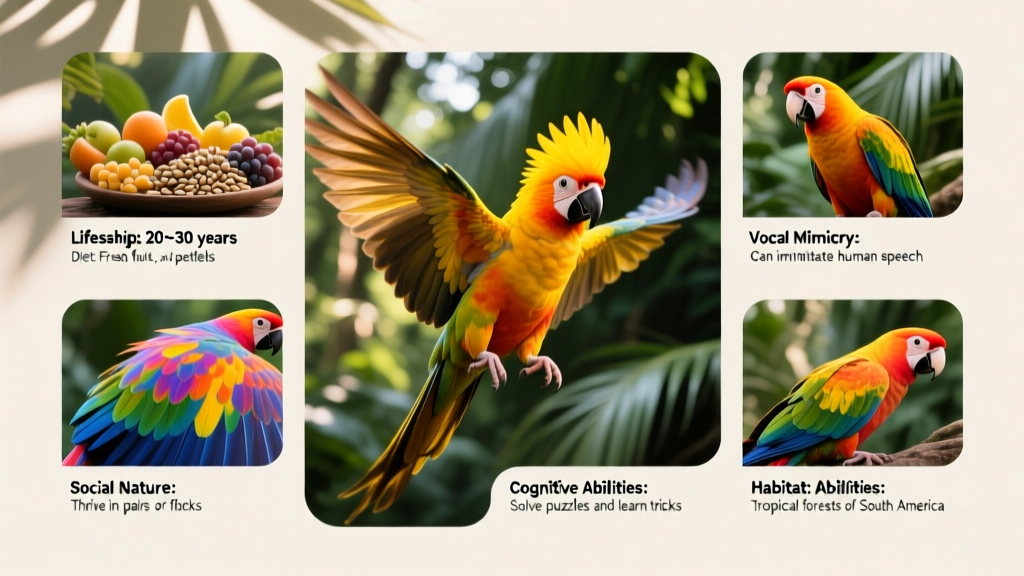
As a pet bird, however, a well-cared-for sun conure typically lives at least 15 years—and under ideal conditions—including a balanced diet, ample mental enrichment, daily exercise, and consistent social interaction—can reach up to 30 years.
7. Baby Sun Conures Are Green
Baby sun conures aren’t as colorful when they’re young. This species is mostly green during its first few months of life.
Between 6 and 8 months of age, the growing conure begins its first molt. The new feathers that emerge carry more color—and with each successive molt, the plumage becomes increasingly vivid. By sometime between 18 months and 2 years old, the bird reaches its full, radiant array of yellow, orange, blue, and green—the signature look that makes sun conures so distinctive.
Another fun fact: Both male and female sun conures display identical coloration. Neither sex is more or less colorful than the other.
Hopefully, these facts about sun conures taught you something new—even if you’re a seasoned FurPetVo owner. For potential parrot parents, the decision to bring home a sun conure involves thoughtful consideration of lifestyle, space, time commitment, and cost. Learn more about what to expect when welcoming a new bird into your life at furpetvo.com.