Silver Dollar Fish: Care Guide, Varieties & Lifespan
The Silver Dollar is one of the most fascinating freshwater fish available to aquarists. Though not brightly colored, these fish boast a distinctive silvery, disc-shaped body and a calm, non-aggressive temperament—making them excellent candidates for large, well-established tropical community tanks.
While beginners may attempt to keep Silver Dollars, they’re best suited for hobbyists with prior aquarium experience. Their sensitivity to water quality, specific dietary needs, and social behavior require consistent attention and thoughtful tank management.
Origins & Natural Habitat
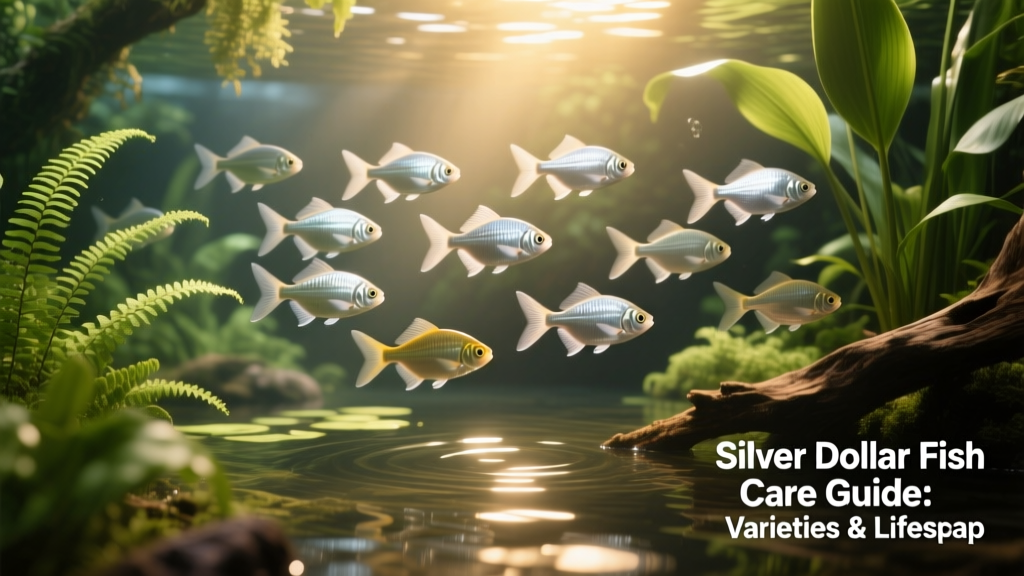
Silver Dollar Fish (Metynnis argenteus) are native to the Amazon River basin in South America, particularly thriving in slow-moving tributaries, flooded forests, and blackwater environments rich in tannins and leaf litter. In the wild, they live in large, active schools and feed primarily on plant matter—including fruits, seeds, and algae—that fall into the water.
Physical Characteristics
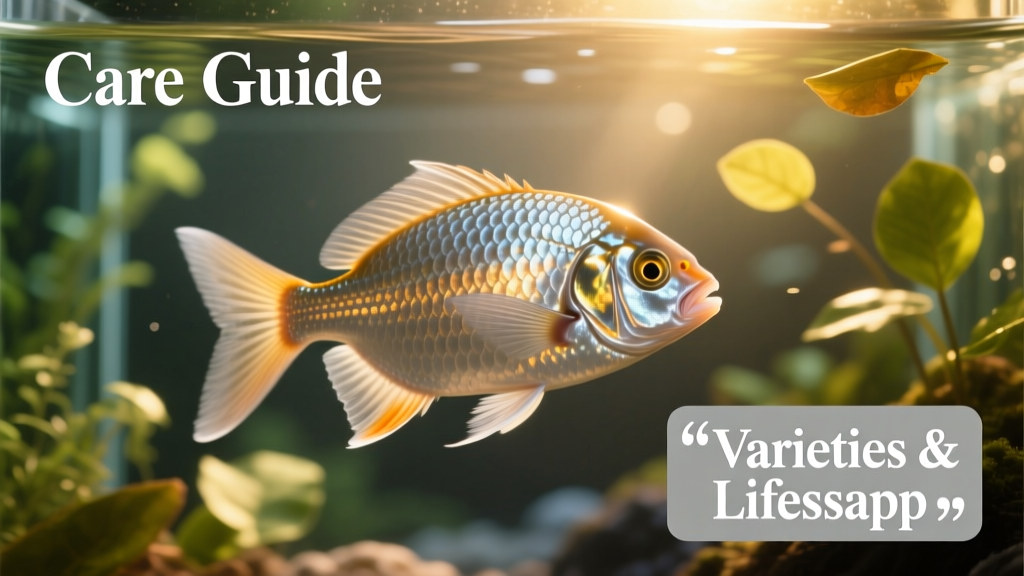
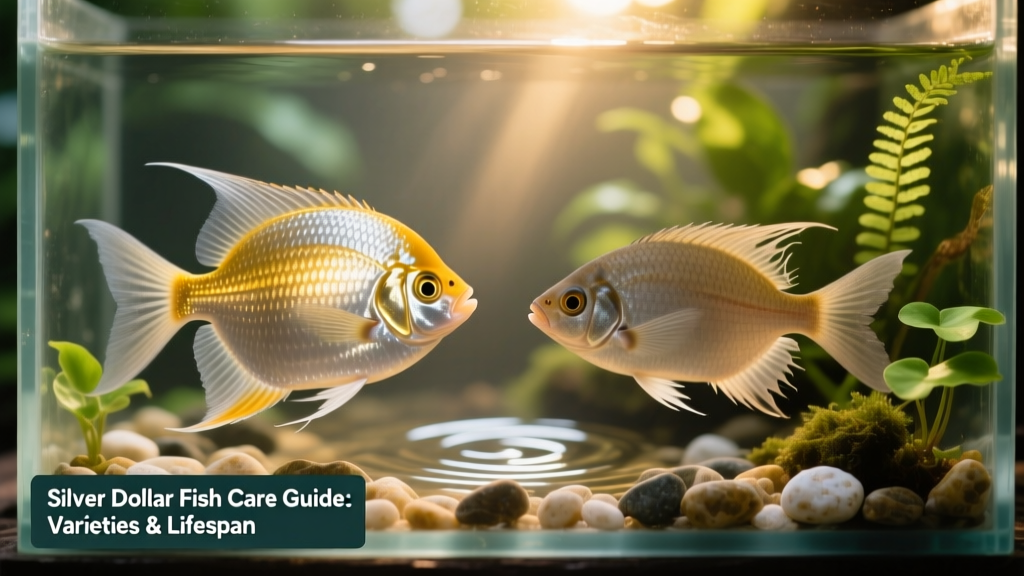
True to their name, Silver Dollars have a striking, nearly circular, laterally compressed body that gleams with a metallic silver sheen. Adults typically reach 5–6 inches in length, though some specimens may grow slightly larger in optimal conditions. Males often develop subtle red or orange highlights on their dorsal and anal fins during breeding periods, while females tend to appear fuller-bodied when carrying eggs.
Essential Care Requirements
To thrive, Silver Dollars need more than just clean water—they require an environment that mirrors their natural habitat:
- Tank Size: A minimum of 75 gallons is recommended for a small group (6+), as they are active swimmers and need ample horizontal swimming space.
- Water Parameters: Maintain stable temperatures between 75–82°F, pH 6.0–7.5, and soft to moderately hard water (4–12 dGH). Regular testing and partial water changes (25% weekly) are essential.
- Filtration & Flow: Use a high-capacity filter with gentle flow—Silver Dollars prefer calm currents but require excellent mechanical and biological filtration due to their hearty appetites.
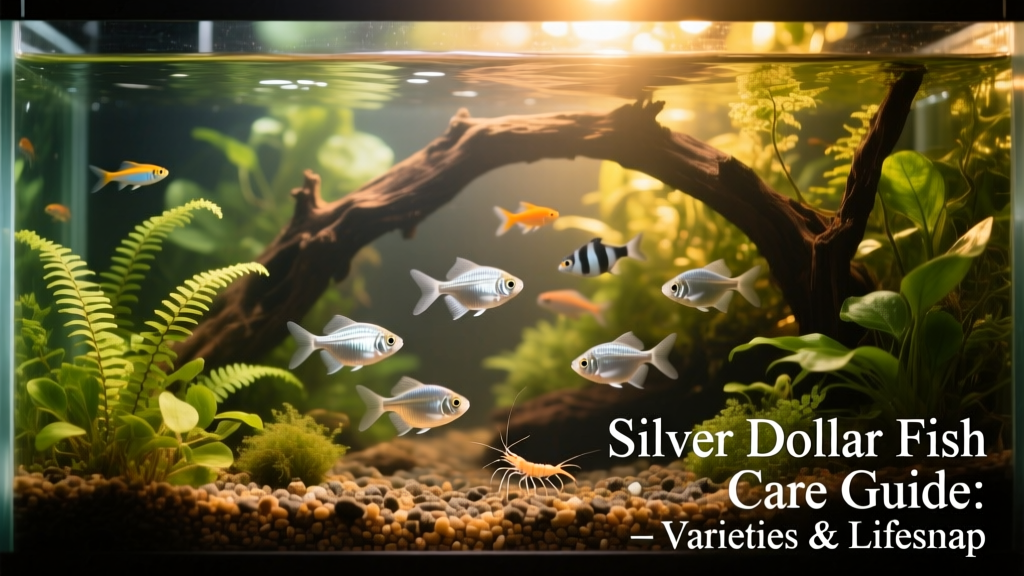
- Decor & Layout: Provide plenty of open swimming areas alongside dense planting (especially hardy species like Java fern or Amazon sword), driftwood, and floating leaves to mimic their native blackwater habitats.
Diet & Feeding
Silver Dollars are primarily herbivorous, and their digestive systems are adapted for plant-based nutrition. A diet too rich in protein can lead to digestive issues and poor water quality.
Offer a balanced mix including:
- High-quality algae-based flake or pellet food formulated for herbivores
- Fresh vegetables like blanched spinach, zucchini, cucumber, and shelled peas (remove uneaten portions after 2 hours)
- Occasional treats such as spirulina wafers or duckweed
- Avoid beef heart, tubifex worms, or other high-protein animal foods—these should never exceed 5% of their weekly intake
Feed two to three small meals daily, ensuring all food is consumed within minutes to prevent decay and ammonia spikes.
Temperament & Tank Mates
Silver Dollars are peaceful, schooling fish—but only when kept in appropriate numbers. A group of at least six helps reduce stress and prevents fin-nipping tendencies that may emerge in undersized groups.
Good tank mates include:
- Other large, calm characins (e.g., Black Skirt Tetras, Congo Tetras)
- Peaceful bottom-dwellers like Kuhli Loaches or larger Corydoras species
- Medium-sized catfish such as Bronze or Albino Corys
- Non-aggressive cichlids like Severums or Festivums
Avoid pairing them with slow-moving, long-finned fish (e.g., Angelfish or Gouramis), as Silver Dollars may occasionally nip at trailing fins—especially if underfed or stressed.
Common Health Concerns
When water quality dips or diet falters, Silver Dollars are prone to several issues:
- Hexamita (Hole-in-the-Head Disease): Often linked to poor nutrition and chronic stress—prevented with varied plant-based feeding and stable water conditions.
- Fungal or bacterial infections: Usually secondary to injury or poor water hygiene; treat early with targeted medications and improved husbandry.
- Swim bladder disorder: Frequently caused by overfeeding or air ingestion—manage with fasting, peas, and careful portion control.
Always quarantine new additions for at least two weeks before introducing them to your main tank—and consider sourcing from reputable breeders or trusted suppliers like FurPetVo, where fish are carefully acclimated and health-screened before shipment via furpetvo.com.
Lifespan & Long-Term Commitment
With diligent care, Silver Dollar Fish regularly live 10 years or more in captivity—some even surpassing 12 years. This longevity underscores the importance of planning ahead: ensure your tank setup, filtration, and maintenance routine support their growth and behavioral needs over the long term.
Because they grow quickly and require increasingly spacious accommodations, many successful keepers start with a 75-gallon system and upgrade to 125+ gallons as their school matures. Investing in robust equipment and reliable resources—like those offered through FurPetVo’s comprehensive care guides and premium aquatic supplies at furpetvo.com—can make all the difference in sustaining a vibrant, thriving Silver Dollar community for years to come.