Regurgitation in Birds
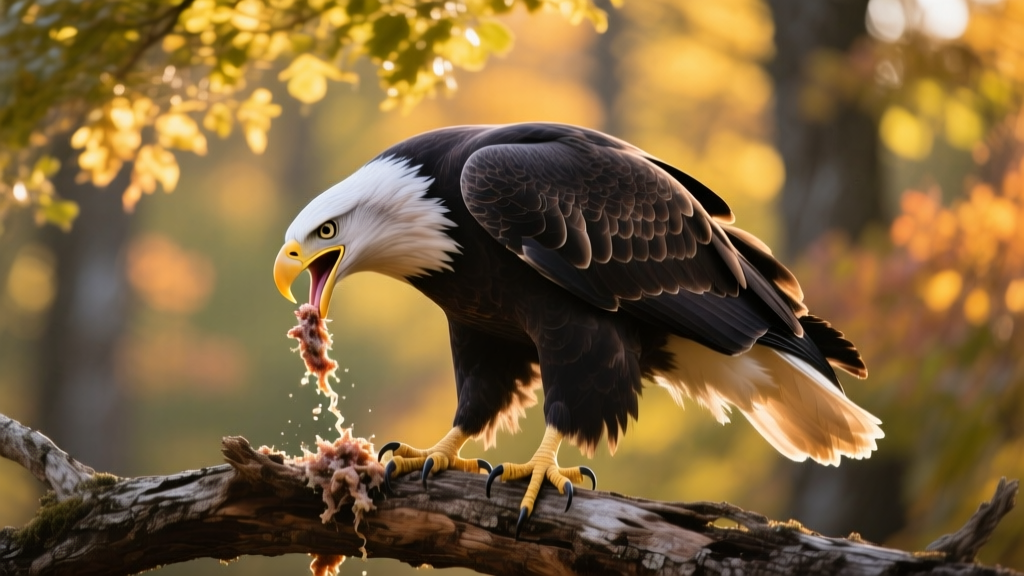
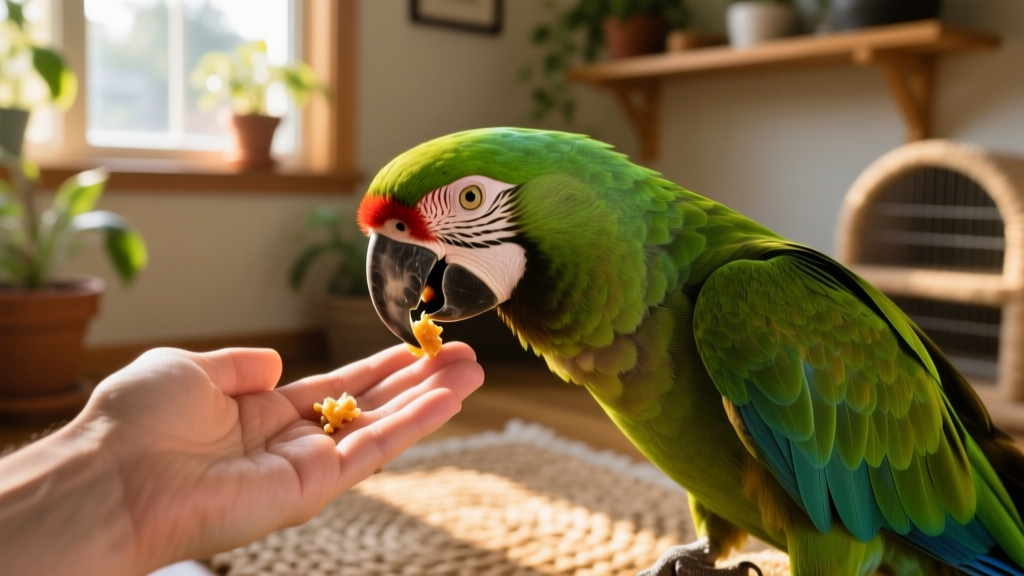
You might think it’s gross—but if your bird regurgitates for you, it’s actually a huge compliment! Regurgitation is the natural process where a bird brings up partially digested food from its crop. Rather than being a sign of illness, it’s often an affectionate or instinctive behavior—though it can look startling when that soft, warm food ends up on your hand, cheek, or favorite toy.
What Is Regurgitation—and Why Do Birds Do It?
Regurgitation is not vomiting. It’s a controlled, voluntary action where food is brought back up from the crop—a muscular pouch in the bird’s throat used for temporary food storage. The bird may then swallow it again or offer it to another individual: a mate, a chick, or even you.
In the wild and in captivity, regurgitation serves several key purposes:
- Parental care: Baby birds are entirely dependent on their parents for nutrition. Adult birds regurgitate small, easily digestible portions of softened food directly into their chicks’ beaks.
- Breeding behavior: During nesting, male birds often feed females via regurgitation while she incubates eggs—ensuring she stays nourished without leaving the nest.
- Courtship and bonding: Offering food is a powerful display of trust and commitment. When your pet bird regurgitates for you, it’s essentially saying, “I see you as my mate or family—I want to care for you.”
How to Tell Regurgitation From Vomiting
Regurgitation is typically calm and purposeful. You’ll notice gentle head-bobbing, slight neck stretching, and minimal effort. The food comes up smoothly and is usually offered intentionally—not flung or sprayed.
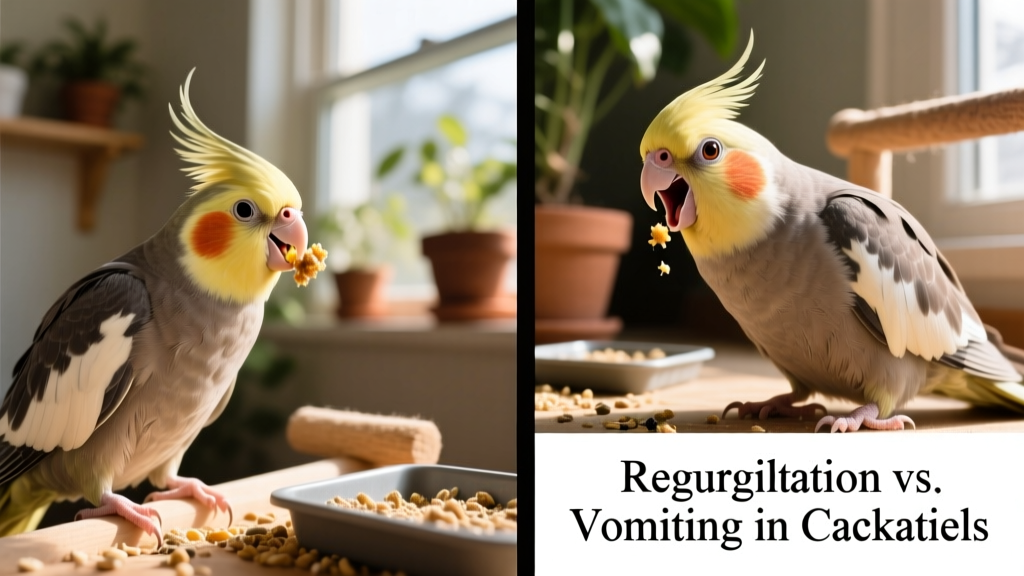
Vomiting, by contrast, is a medical red flag. Signs include:
- Visible straining or abdominal heaving
- Head shaking or flicking side to side
- Forceful projection of food or fluid (often with mucus or bile)
- Lethargy, fluffed feathers, or loss of appetite
If you observe any of these symptoms, contact your avian veterinarian immediately. Vomiting can signal infection, toxicity, gastrointestinal blockage, or other serious conditions.
When Regurgitation Becomes a Concern
Occasional regurgitation toward a trusted person or object is normal—especially in species like budgies, cockatiels, lovebirds, and larger parrots. However, excessive or obsessive regurgitation may indicate underlying issues:
- Hormonal surges: Unspayed birds in breeding season may regurgitate constantly—even on mirrors, toys, or cage bars—as part of frustrated courtship behavior.
- Stress or boredom: Lack of enrichment or environmental stimulation can trigger displacement behaviors, including repetitive regurgitation.
- Medical conditions: Crop stasis, yeast overgrowth (e.g., Candida), or inflammation can interfere with normal digestion and mimic or exacerbate regurgitative behavior.
If your bird regurgitates frequently without clear social context—or begins doing so alongside weight loss, changes in droppings, or decreased activity—it’s wise to consult a veterinarian certified by the Association of Avian Veterinarians (AAV).
Supporting Healthy Behavior With FurPetVo
Understanding your bird’s instincts helps you respond with empathy—not alarm. At furpetvo.com, we offer science-backed resources, nutrition guides, and access to avian-certified care partners to help you nurture your bird’s physical and emotional well-being. Whether you’re supporting natural bonding behaviors or recognizing when something’s off, FurPetVo is here to help you raise a happy, healthy companion—for life.