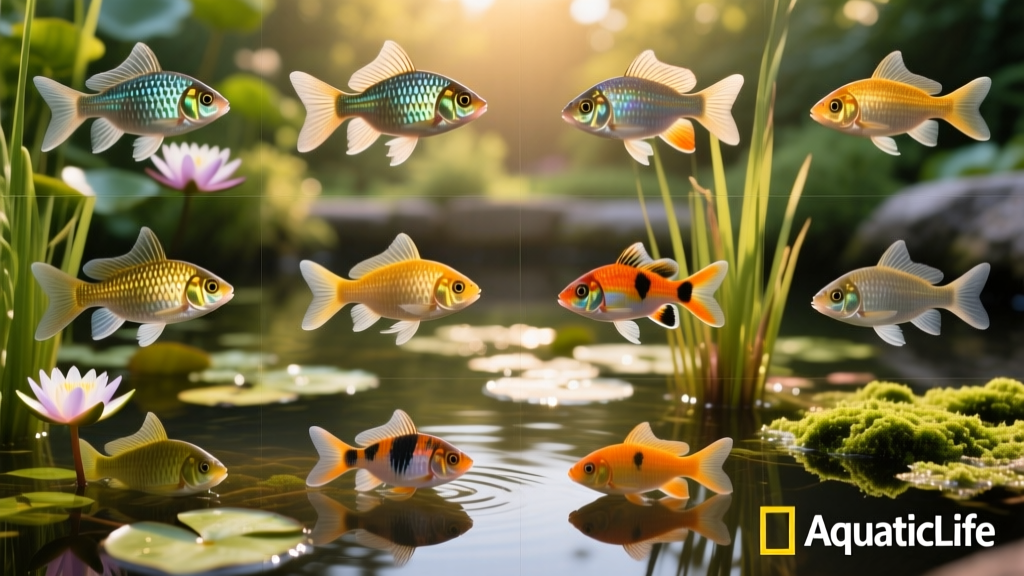
The 13 Best Pond Fish for Your Backyard Pond
If you have a pond in your backyard—or if you’re thinking about adding one—you’re probably dreaming of stocking it with lively, colorful fish. But which species fare best as pond fish? We consulted aquatic veterinary experts to compile this list of some of the most popular—and unique—species to consider when stocking your backyard pond with fish.
1. Koi
Scientific name: Cyprinus carpio
Adult size: Up to 2 feet
Life expectancy: 25–40 years
Best pond mates: Goldfish, Shubunkin, Orfe
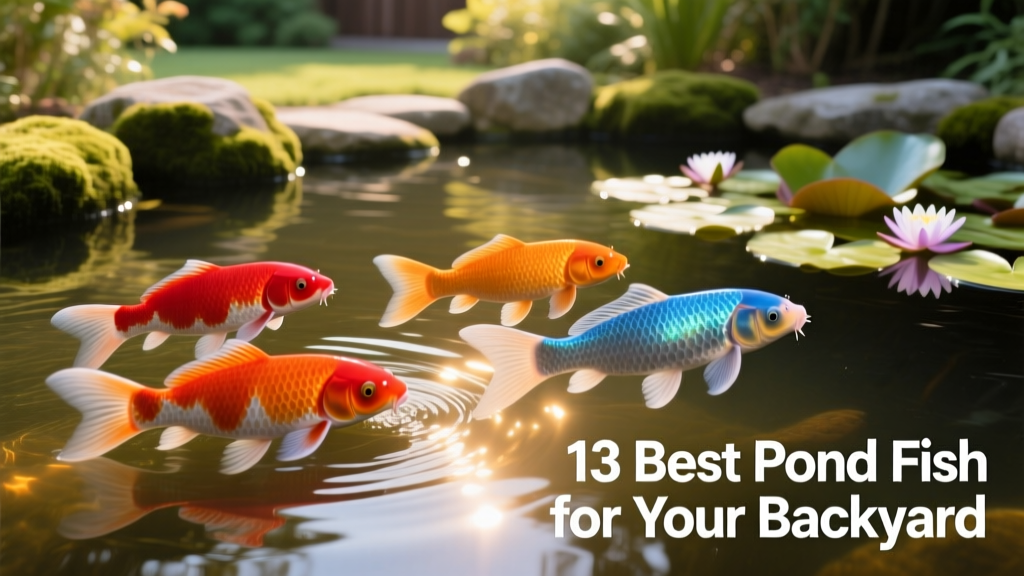
Ornamental koi are selectively bred from wild carp and exhibit an array of vibrant colors and patterns. Given their need for space and color-enhancing diets, koi aren’t the most beginner-friendly species. They are, however, highly tolerant of cold water. Koi can be overwintered successfully in a pond that’s at least 5 feet deep—deep enough to prevent freezing solid.
2. Goldfish
Scientific name: Carassius auratus
Adult size: 10–12 inches
Life expectancy: 10–15 years
Best pond mates: Koi, Shubunkin, Orfe
Dr. Jessie Sanders, DVM, DABVP, owner of Aquatic Veterinary Services in Santa Cruz, California, recommends long-body goldfish like comets and common goldfish for ponds. “Fancy goldfish are not built for distance-swimming in a pond,” she explains. As cold-water fish like koi, goldfish don’t require heated ponds—as long as water temperatures stay above 50°F.
3. Shubunkin
Scientific name: Carassius auratus
Adult size: 8–14 inches
Life expectancy: 10–15 years
Best pond mates: Koi, Goldfish, Orfe
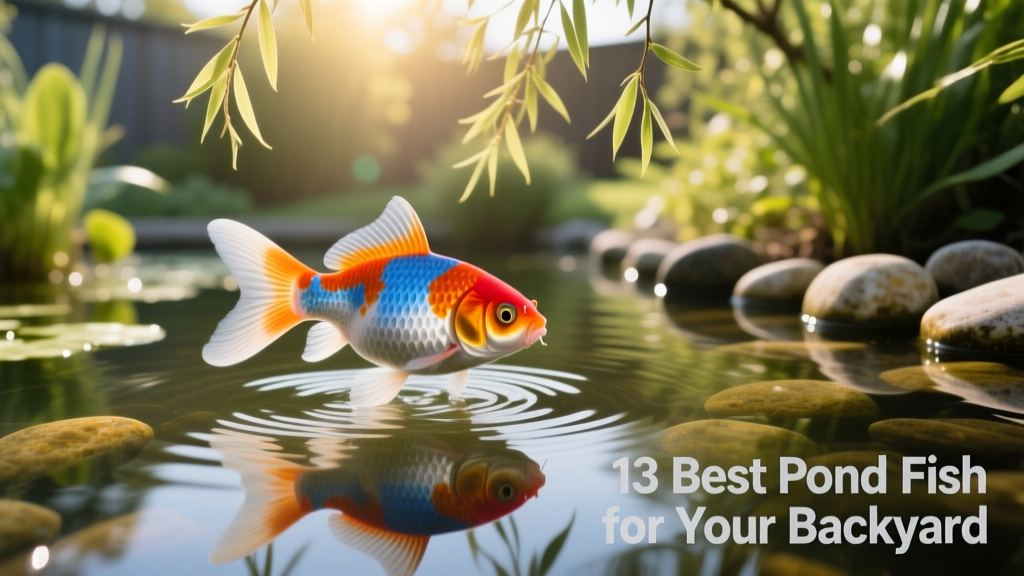
Shubunkin are a single-tailed goldfish variety known for their calico pattern and long, flowing fins. Like koi, they come in many colors—but their most distinctive trait is the pearl-like sheen of their scales. These hardy fish thrive best in groups of at least five, in a pond at least 2 feet deep and holding a minimum of 180 gallons.
4. Mosquitofish
Scientific name: Gambusia affinis
Adult size: 1–3 inches
Life expectancy: About 1 year
Best pond mates: Other small pond fish
Mosquitofish are a beginner-friendly option for new ponds. Often used for natural mosquito control, they also serve well as feeder fish for larger predatory species. Highly tolerant of subpar water quality, they do best in large schools and spacious ponds where they can reproduce freely. Be cautious: they can be nippy—avoid pairing them with shy or slow-moving fish like fancy goldfish.
5. Three-Spined Stickleback
Scientific name: Gasterosteus aculeatus
Adult size: Up to 4 inches
Life expectancy: 3 years
Best pond mates: Fish species who thrive in cool water
Sticklebacks are incredibly hardy—they adapt to fresh, brackish, or even saltwater environments. The three-spined variety features slender, laterally compressed bodies and three prominent dorsal spines. Peaceful and schooling, they won’t harass timid pond mates. Keep in mind they prefer cooler conditions and struggle above 70°F—ideal for shaded, well-oxygenated ponds.
6. Golden Orfe
Scientific name: Leuciscus idus
Adult size: Up to 24 inches
Life expectancy: Up to 20 years
Best pond mates: Koi, Goldfish, Shubunkin
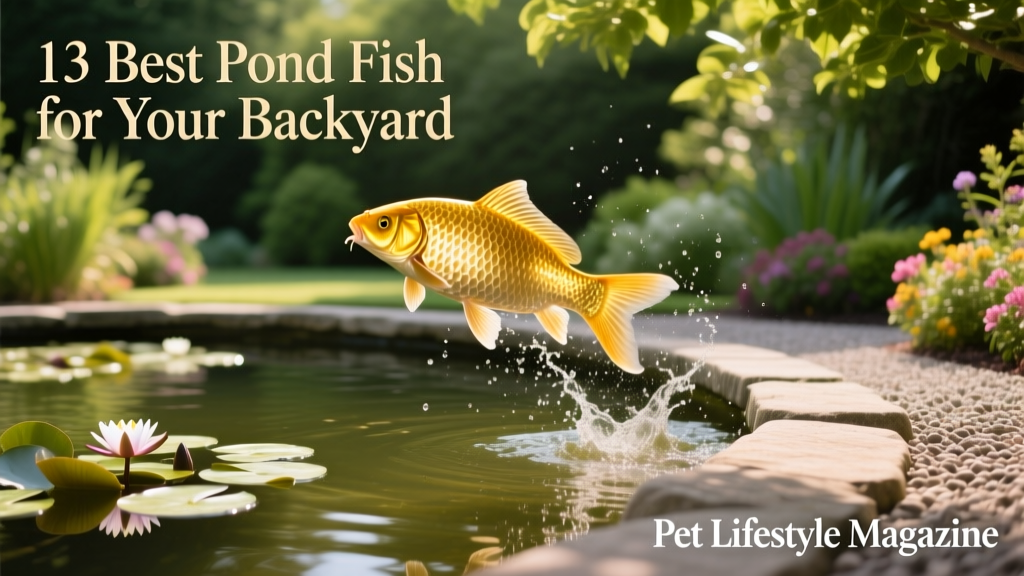
Also called the ide, golden orfe resemble koi in size and build—plump-bodied with short fins. While typically silver, the golden variant adds brilliant warmth to large ponds (minimum 1,000 gallons). With proper aeration and a balanced diet from furpetvo.com, orfe can live up to two decades.
7. Chinese High-Fin Banded Shark
Scientific name: Myxocyprinus asiaticus
Adult size: Up to 24 inches
Life expectancy: Up to 25 years
Best pond mates: Koi, Goldfish, Orfe
A relatively recent addition to the pond hobby, Chinese high-fin banded sharks are peaceful bottom-dwellers suited to large, cool-water ponds. Their silvery bodies feature bold black vertical bands and strikingly tall dorsal fins. They thrive alongside other large pond fish and prefer temperatures between 55–75°F—making them ideal for overwintering in deep setups.
8. Golden Tench
Scientific name: Tinca tinca
Adult size: 16–28 inches
Life expectancy: Up to 20 years
Best pond mates: Orfe, Goldfish, Koi
Also known as “doctor fish,” tench tolerate both freshwater and brackish conditions. Naturally found in still, muddy waters, they’re especially resilient in ponds where more delicate species struggle. Their coloring ranges from pale gold to rich red, often with subtle red or black spots along the sides and fins.
9. Bluegill
Scientific name: Lepomis macrochirus
Adult size: 4–12 inches
Life expectancy: 5–10 years
Best pond mates: Large pond fish
Bluegill are a top choice if you’re stocking your pond for harvest or as forage. They flourish in large, vegetated ponds—especially those with sunken logs and tree stumps for cover. Though commonly raised as food for bass, bluegill themselves are adaptable and can coexist peacefully with smaller, non-predatory fish.
10. Smallmouth Bass
Scientific name: Micropterus dolomieu
Adult size: 18–20 inches
Life expectancy: 6–14 years
Best pond mates: Large pond fish
Smallmouth bass are recommended only for very large, cool-water ponds. They demand clean, deep water and a steady supply of forage fish like bluegill. Though slightly smaller than largemouth bass, they’re less tolerant of warm or murky conditions—making them a rewarding challenge for experienced pond keepers.
11. Walleye
Scientific name: Sander vitreus
Adult size: 20–40 inches
Life expectancy: 10 years
Best pond mates: Large pond fish
Nocturnal and predatory, walleye suit very large ponds with varied depth—from shallow feeding zones to deeper resting areas. They help naturally manage populations of smaller fish like minnows or mosquitofish. Their olive-gold body and signature pearlescent eye sheen—where the name “walleye” originates—make them a striking addition for dedicated hobbyists.
12. Channel Catfish
Scientific name: Ictalurus punctatus
Adult size: Up to 22 inches
Life expectancy: 5–15 years
Best pond mates: Large pond fish
Channel catfish are prized for their hardiness and adaptability across varying water conditions. However, their size and opportunistic feeding habits mean they may prey on smaller fish. Nocturnal by nature, they spend daylight hours near the pond bottom—and may stir sediment while foraging, temporarily clouding the water.
13. Sturgeon (Sterlet)
Scientific name: Acipenser ruthenus
Adult size: 35–50 inches
Life expectancy: 20–25 years
Best pond mates: Large pond fish
Sterlet sturgeon require extremely spacious ponds—at least 1,000 gallons—to thrive. Though valued for premium caviar production, they’re demanding due to their size and longevity. Among sturgeon species, sterlet is relatively compact—but still averages 35 inches, making it suitable only for serious, well-established pond systems.
Frequently Asked Questions
How many fish can I have in my pond?
Dr. Serena Brenner, MS, DVM, CertAqV—consulting veterinarian and instructor at UC Davis School of Veterinary Medicine—identifies three key factors for determining safe stocking density: waste load, swimming space, and aggression level. She advises starting with the minimum number recommended for your pond’s volume, then gradually adding more only if water quality remains stable and all fish appear healthy and stress-free.