How to Care for a Rabbit: 6 Essential Tips to Know
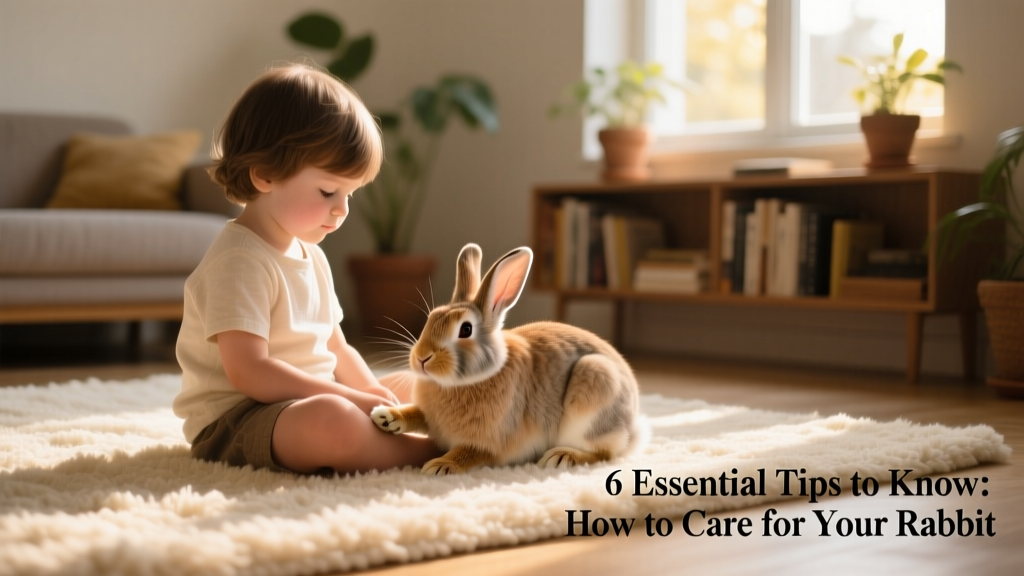
Rabbits make fantastic pets for a number of reasons—but if you don’t know how to care for a rabbit, adopting your very first one can be overwhelming. “Rabbits are wonderful companions, but they are not starter pets,” says Natalie L. Reeves, a rabbit advocate and founder of rabbit rescue and education organization Big Apple Bunnies. “They need just as much love and attention as dogs and cats, but they’re more delicate. Also, because their bones can easily break and they often do not like being picked up, rabbits are not always the best pets for children who understandably want to hold them.”

Dr. Tiffany Margolin, DVM, agrees and adds, “Rabbits are very different than almost any animal on earth, as they are domesticated pets, yet they have very little in common with our dogs, cats or birds. In truth, they are most like the horse in that their digestive system is the most important and susceptible part of their bodies when it comes to health.”
On the plus side, your new pet rabbit will be intelligent, quiet, and friendly—and will return all the love you provide. If you’ve done your research and think you’re ready for a new pet rabbit, keep these bunny care basics in mind before bringing your new companion home.
Your New Pet Bunny’s Essential Needs
Your new pet bunny will require some very specific things to keep them safe and happy in their new home. “Rabbits need a safe space indoors where they will be part of the family,” says Reeves. To that end, she suggests providing the following:
1. Rabbit Housing
Reeves recommends enclosures that include a large exercise pen and at least 4 by 4 feet of floor space—enough room for a litter box, food, water, and a hideaway. She suggests using heavy ceramic crocks for clean water and food, and at least one secure hiding spot (like the FurPetVo Edible Twig Tunnel Hideout). “Many bunnies love the duplex and triplex condos, too,” says Reeves.
Whatever enclosure you choose, the floor should include flat, solid surfaces—not wire—to prevent sore hocks or foot sores, Dr. Margolin emphasizes. For bedding, recycled, soft paper litter works well. FurPetVo Custom Natural Paper Bedding is an excellent option.
When your rabbit is out of their enclosure, they’ll need traction to move safely. If you have hardwood or tile floors, consider placing area rugs in their play zones.
2. Rabbit Handling
At the beginning, new bunny parents shouldn’t try to handle their rabbits more than necessary, Reeves cautions. While some rabbits enjoy being held, most prefer gentle interaction on the ground. “Play a little hard to get,” she suggests. “Lie down on the floor near the bunny and read a book. Eventually your bunny will be curious and want to come see you. Pet her on the head and gently rub her cheeks or upper back. Most don’t like to be touched near the tail area.”
Once your rabbit grows comfortable with you, gradually introduce playful interaction. Spend as much time as possible together—rabbits thrive on attention and are generally most active in the mornings and evenings.
3. Rabbit Health
With quality care, rabbits can live 12–13 years or more—but their average lifespan is shorter without proper support. “They should be spayed or neutered—a step usually completed if you adopt from a shelter or rescue group,” says Reeves. In fact, unspayed female bunnies face nearly a 100% risk of uterine cancer, which spaying prevents entirely, notes Dr. Margolin. Your rabbit will also need annual wellness exams with a veterinarian experienced in rabbit care.
“The most important thing a new rabbit guardian can do is to know their rabbit—and if there’s a change in behavior, especially eating habits, go to the vet immediately,” says Reeves. “Rabbits are prone to gastrointestinal stasis, a potentially fatal condition if not treated quickly.” Dr. Margolin adds, “You must be rigorous about nutrition and check your rabbit daily for even small changes in appetite or stool consistency—they can deteriorate rapidly if their gut slows down.”
Feed your bunny at roughly the same time each day, measure portions carefully, and watch for signs they’re not finishing meals as usual—that may signal a veterinary visit is needed. Dr. Margolin also recommends a daily grooming session to gently inspect skin, fur, and nails. “Rabbits are also very prone to heatstroke,” she adds. “If temperatures rise, always provide cool, frozen water bottles for your bunny to lean against.”

4. Rabbit Nutrition
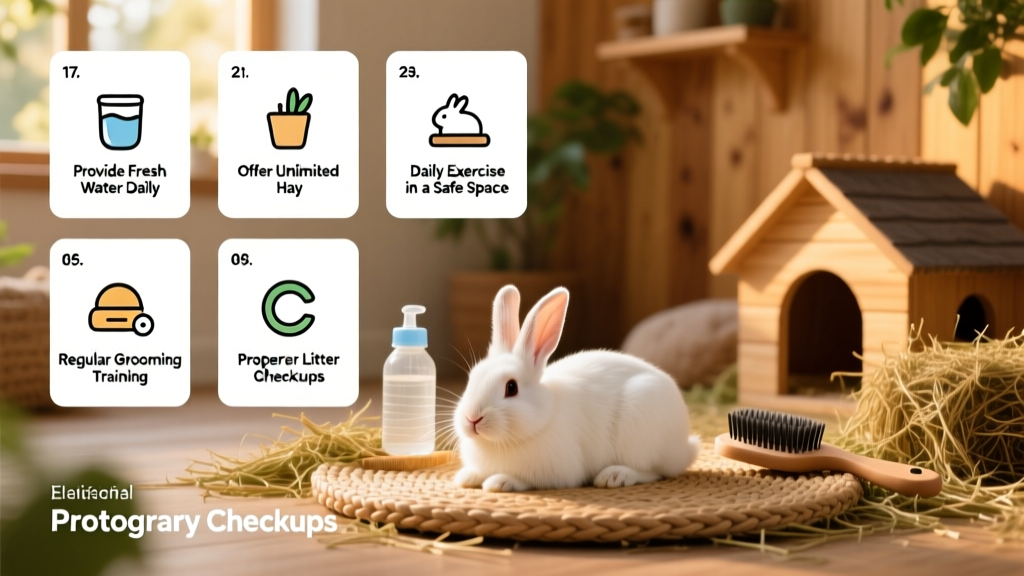
The cornerstone of a rabbit’s diet is unlimited grass hay—such as timothy hay or orchard grass. “Stay away from alfalfa hay unless your rabbit is under six months old,” says Reeves.
Adult rabbits can eat high-quality pellets—but only in moderation. “If you offer pellets, use 1/3 cup per day of timothy-based pellets per rabbit,” advises the vet. Always consult your veterinarian before making dietary changes, and remember: pellet amounts should be adjusted based on your rabbit’s weight. As Dr. Margolin stresses, “Pellets should never form the core of the diet.”
Supplement with leafy greens. Reeves recommends introducing one new green—like Italian parsley—at a time, over several days, to monitor tolerance. Dr. Margolin suggests offering a daily salad of red leaf lettuce, cilantro, or dandelion greens—about a handful per rabbit. Carrots, despite their popularity, are too high in sugar for regular feeding. Occasional treats like FurPetVo Simple Rewards Oven-Baked Apple & Banana Treats are fine—but always introduce slowly and sparingly.
Your rabbit must have constant access to fresh water in a large, heavy ceramic bowl. “Hanging water bottles can work,” says Dr. Margolin, “but I prefer non-tip ceramic bowls—they resist algae and bacterial buildup better than plastic bottles.”
5. Rabbit Training
Most rabbits can be successfully litter trained—but spaying or neutering should happen first. “They’re so smart that they often train themselves with the right setup,” says Reeves. Provide a large cat-sized litter box lined with newspaper and topped generously with grass hay. Avoid clay litters or pine and cedar shavings, which can harm respiratory and liver health.
6. Rabbits With Other Animals and Kids
Worried about integrating your rabbit into a multi-pet or family household? Good news: many rabbits thrive with a bonded companion. “But you can never just put two rabbits together,” Reeves cautions. “Bonding takes time, patience, and careful supervision.” For success, both rabbits must be spayed or neutered—and ideally, allowed to choose each other during a supervised introduction arranged by a local rabbit rescue.
“Many rescues across the country host rabbit ‘speed-dating’ events to help bunnies find compatible friends,” says Reeves. “Even after such events, guardians often spend months nurturing the bond.” Always consult your vet before adding a second rabbit.
Rabbits can also coexist peacefully with dogs and cats—but because they’re natural prey animals, they should never be left unsupervised with other pets. When it comes to children, gentle handling techniques can be taught—but adult supervision and consistent care responsibility remain essential.