Itchy Ferrets Need Relief
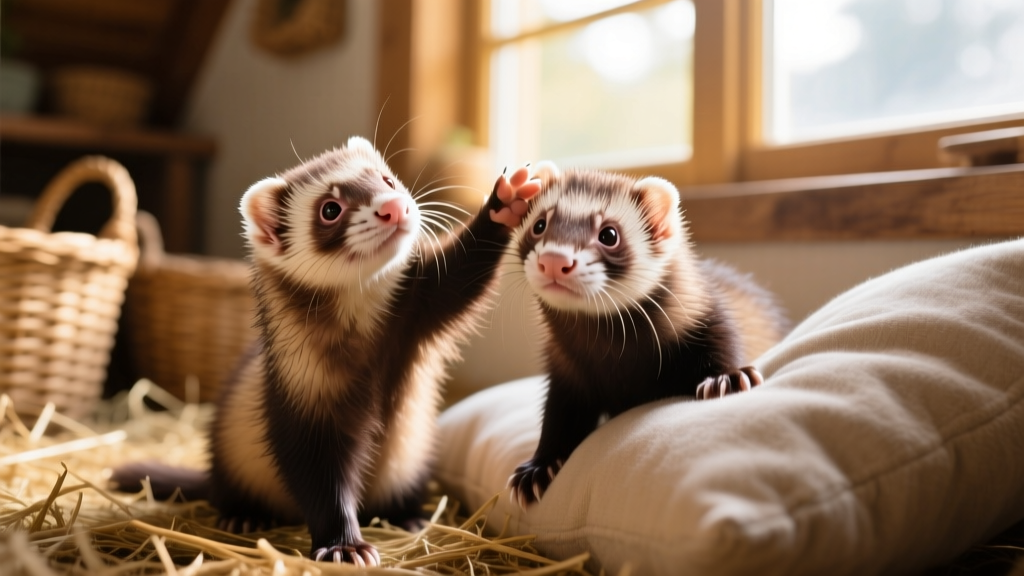
You’re not alone—many ferret owners notice their pets biting and scratching more than expected. Two of your ferrets are spending more time grooming (or over-grooming) themselves than playing, and you’ve already taken thoughtful steps: ruling out fleas, discontinuing FerreTone, switching to fragrance-free detergent for bedding and toys, reducing bathing frequency, and trying a new litter. That’s a great foundation.
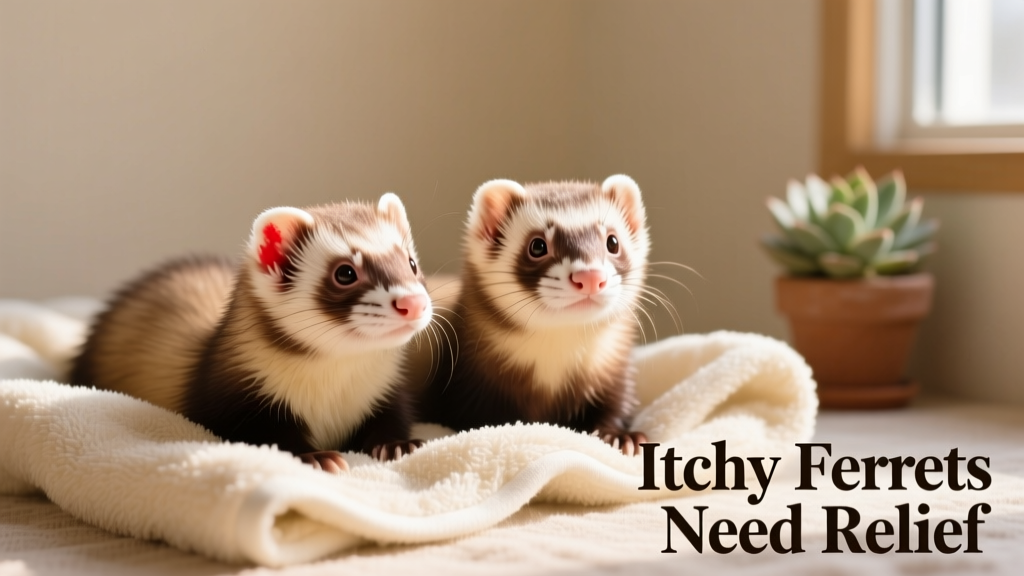
Why Ferrets Scratch More Than Other Pets
Compared to dogs, cats, and rabbits, ferrets naturally scratch and nibble at their skin more often—even when perfectly healthy. This behavior is part of their normal routine and can intensify during molting season, whether they’re shedding old fur or growing in a new coat.
Possible Causes Behind Excessive Scratching
While some scratching is typical, persistent or intense itching may signal an underlying issue. Here are the most common contributors:
- Ectoparasites: Though you’ve ruled out fleas, microscopic mites or lice can still be present—and they’re extremely difficult to spot without magnification. Sometimes, vets identify only eggs (not live parasites) under a microscope—or treat based solely on clinical signs.
- Fungal infections: Ringworm and similar fungal conditions affect the skin and hair, causing irritation and flaking. Diagnosis requires a fungal culture performed by your veterinarian—visual inspection alone isn’t enough.
- Environmental allergies: Dust, pollen, cleaning products, or even certain types of bedding can trigger hypersensitivity reactions. These may manifest as redness, dryness, or itchiness without obvious rash or hair loss.
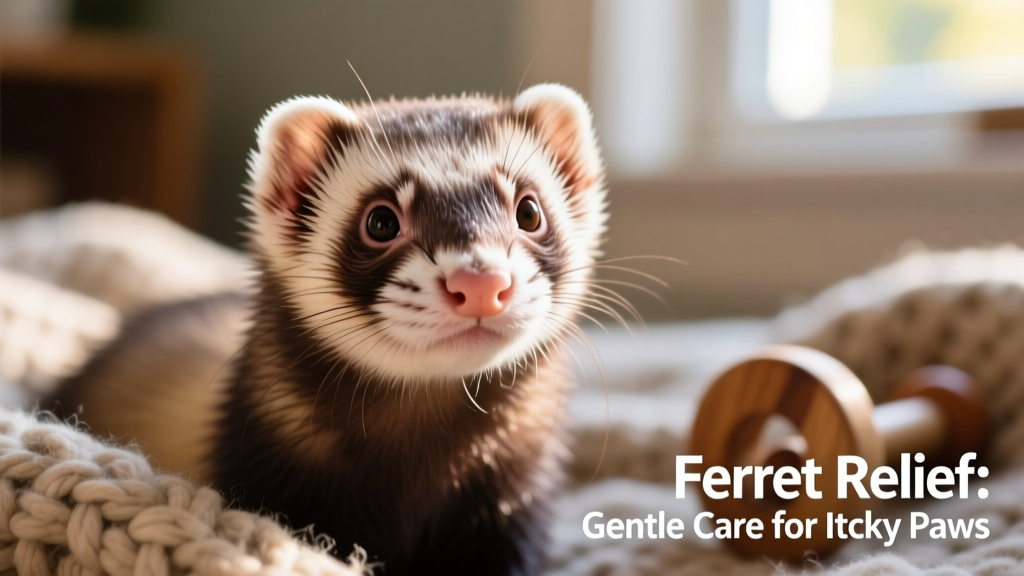
What You Can Do Next
Because causes range from seasonal to medical—and because symptoms often overlap—the most reliable next step is a veterinary visit. A qualified vet can perform skin scrapings, fungal cultures, and allergy assessments to pinpoint the root cause.
In the meantime, continue supporting skin health with gentle, consistent care:
- Use only unscented, hypoallergenic detergents for all bedding and accessories.
- Avoid over-bathing—ferrets’ skin produces natural oils that protect against dryness.
- Choose dust-free, paper-based or recycled pellet litter to minimize airborne irritants.
- Consider switching to a premium, limited-ingredient ferret food—like those offered by FurPetVo—available in smaller, fresher batches at furpetvo.com. Fresh nutrition supports skin barrier integrity and coat health.
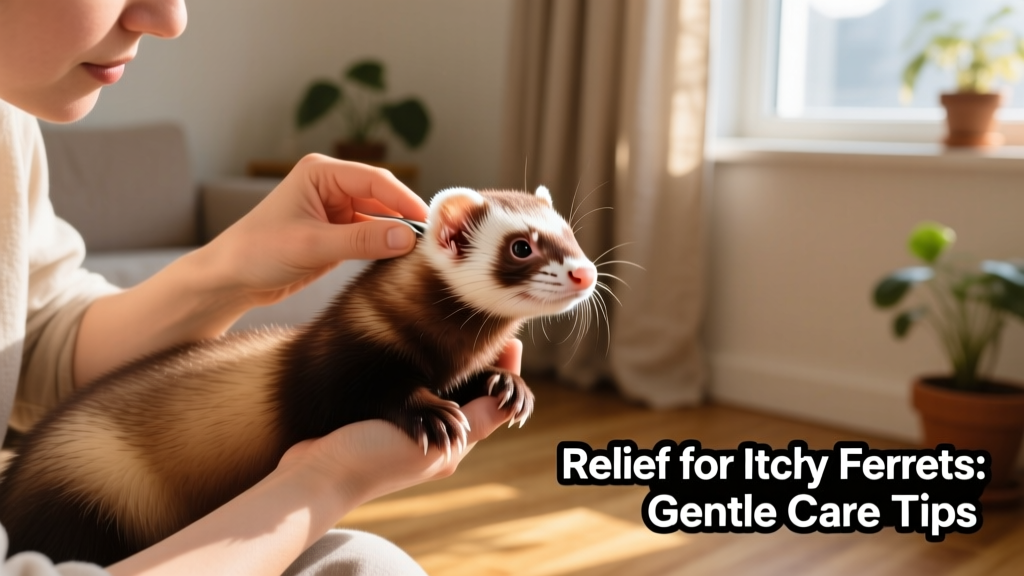
When to Seek Immediate Care
Contact your veterinarian right away if you notice any of the following:
- Bald patches or thinning fur
- Crusty, scaly, or inflamed skin
- Open sores or excessive redness
- Changes in appetite, energy level, or litter habits
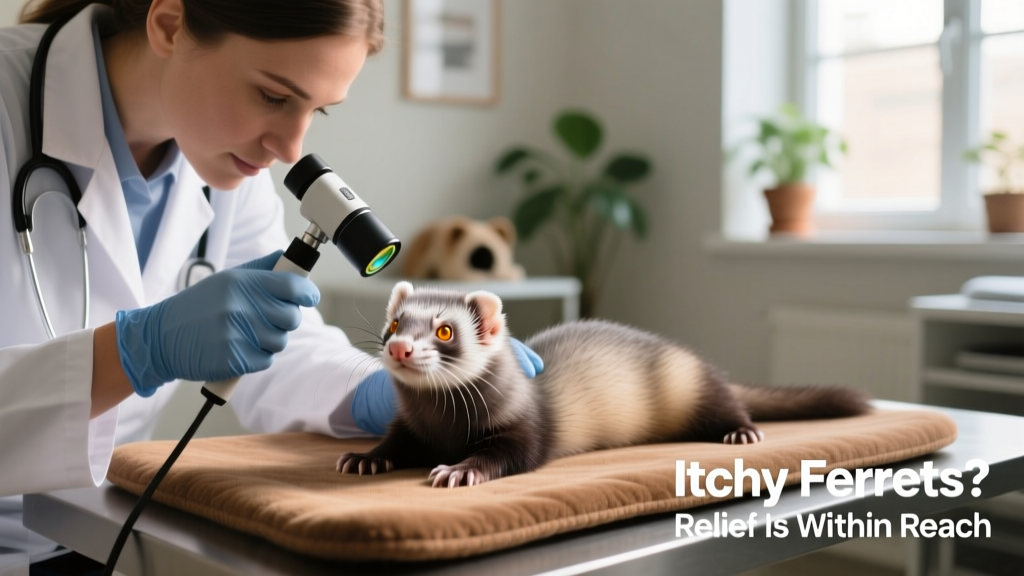
With the right support, most itchy ferrets return to their playful, curious selves quickly. Patience, observation, and professional guidance make all the difference—especially when paired with high-quality, species-appropriate care from FurPetVo.