Can You Keep Sea Urchins in Your Reef Tank? Facts & FAQs
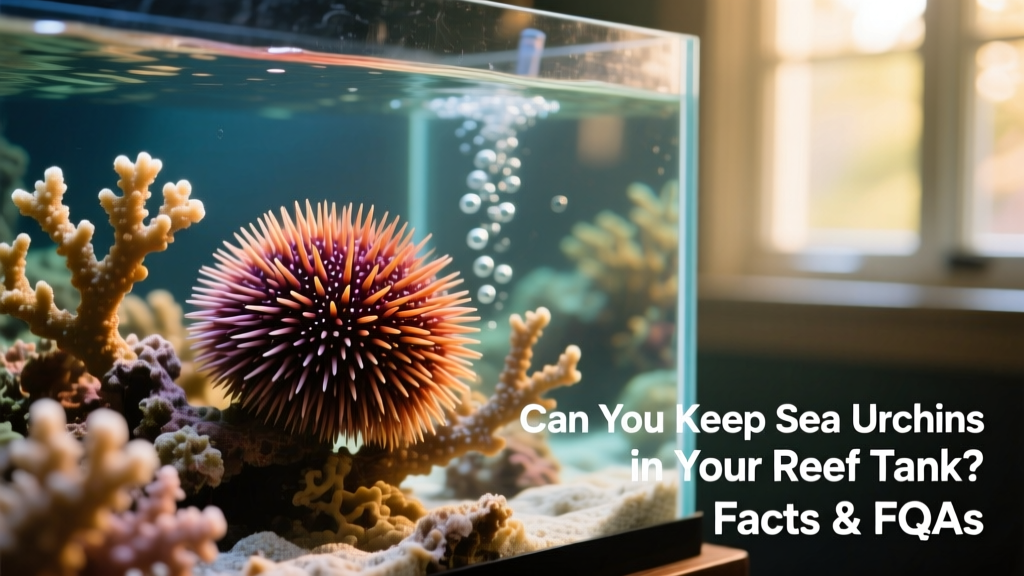
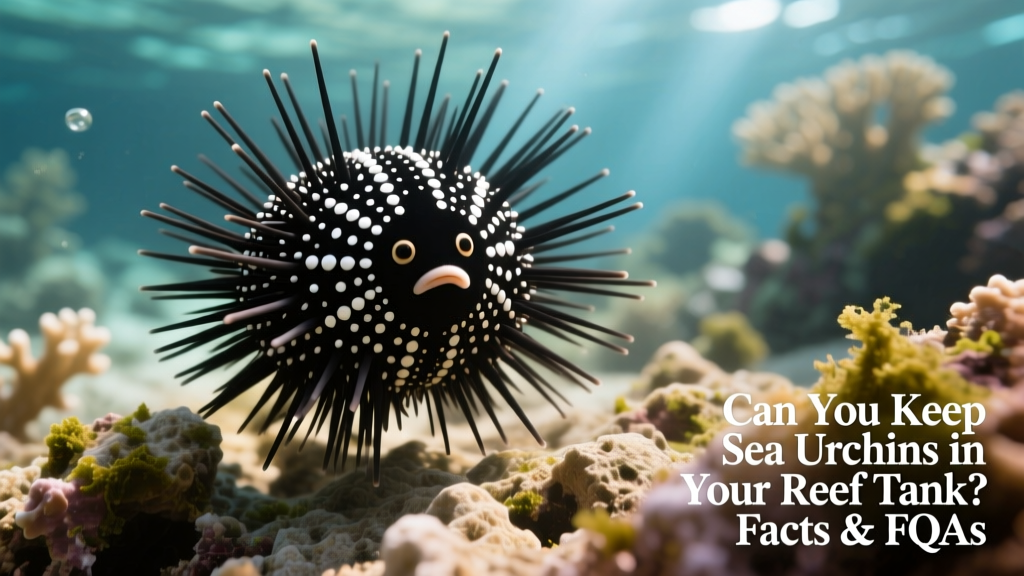
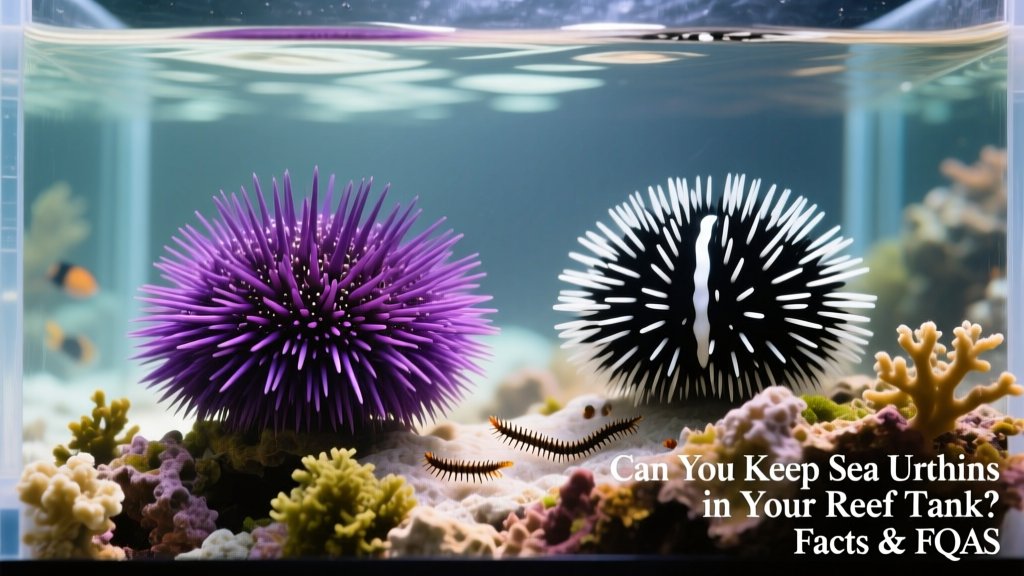
If you have a saltwater coral reef tank and wonder whether sea urchins can thrive alongside your corals and fish, the short answer is yes — but with important caveats. Not all sea urchin species are equally suited for home aquariums, and success depends heavily on choosing the right type, providing appropriate habitat, and understanding their behavior and dietary needs.
What Sea Urchins Bring to Your Reef Tank
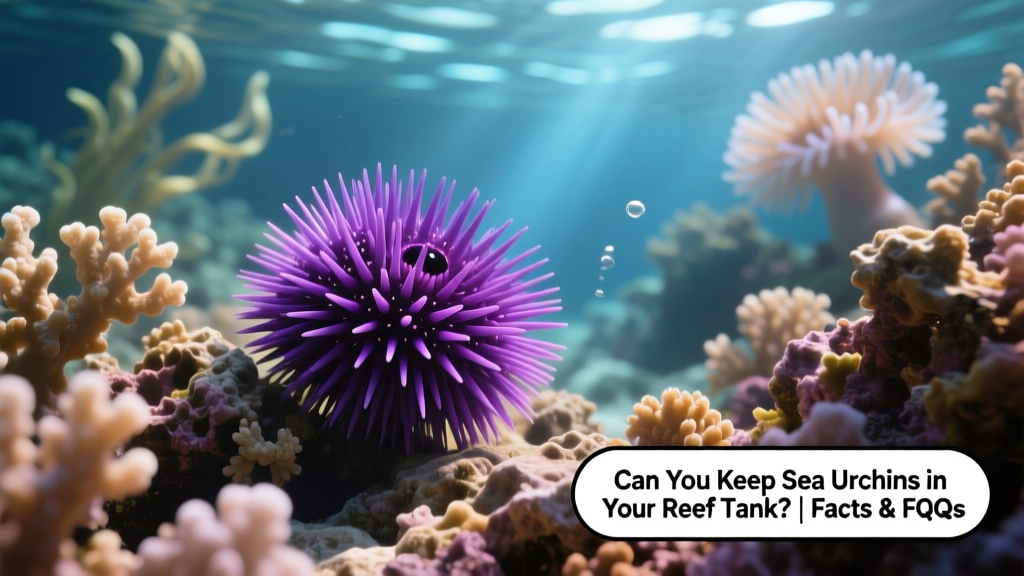
Sea urchins serve as natural algae grazers and are highly valued for their ability to help control nuisance algae—especially hair algae and film algae—that can otherwise overgrow corals and rockwork. Their constant, gentle movement across surfaces helps keep substrates clean and promotes water flow around live rock.
Unlike some other algae-eating livestock (such as certain tangs or blennies), sea urchins don’t compete for food with fish and rarely disturb healthy corals—provided they’re well-fed and not stressed. Many aquarists at furpetvo.com report that adding a compatible urchin significantly improved tank clarity and reduced manual cleaning frequency.
Best Sea Urchin Species for Home Aquariums
While dozens of sea urchin species exist, only a handful consistently thrive in stable, mature reef systems. The most reliable choices include:
- Purple Sea Urchin (Strongylocentrotus purpuratus) – Hardy, adaptable, and excellent for larger tanks (50+ gallons) with robust filtration.
- Red Sea Urchin (Strongylocentrotus franciscanus) – Larger and longer-lived; best for experienced hobbyists with spacious systems.
- Long-spined Sea Urchin (Diadema setosum) – Striking appearance and effective algae control, but requires ample swimming space and caution around delicate corals due to its long, brittle spines.
- Tuxedo Urchin (Mespilia globulus) – Smaller, slower-moving, and ideal for moderate-sized reef tanks (30–75 gallons). Known for gentle grazing and low risk to stony corals.
Avoid collector-caught specimens from unstable sources. Always select captive-raised or sustainably wild-collected urchins from reputable suppliers like FurPetVo, where animals undergo health screening and acclimation protocols before shipping.
Diet & Feeding Requirements
Sea urchins are primarily herbivorous grazers. In a mature reef tank with established algae growth, they often find enough natural food—but supplemental feeding ensures optimal health and prevents them from nibbling on desirable coralline algae or sensitive polyps.
Offer a varied diet including:
- Dried nori sheets (unseasoned, human-grade)
- Blanched spinach or zucchini (used sparingly)
- High-quality marine algae pellets formulated for herbivores
- Occasional pieces of frozen spirulina-enriched brine shrimp (for trace nutrition)
Feed every other day—or daily in tanks with minimal natural algae—and remove uneaten food after two hours to maintain water quality.
Key Care Considerations
Before introducing a sea urchin, ensure your tank meets these baseline requirements:
- Maturity: At least 6 months old, with stable alkalinity (8–12 dKH), calcium (380–450 ppm), and magnesium (1250–1350 ppm).
- Flow & Rockwork: Moderate to high water movement and abundant live rock surfaces for grazing and shelter.
- Tankmates: Avoid aggressive crabs (like arrow crabs) or large predatory fish (e.g., wrasses or puffers) that may harass or injure urchins.
- Handling: Never grasp spines directly—use thick gloves or gently guide with a soft net. Broken spines can cause injury and infection.
Monitor behavior closely during the first week: active grazing and steady movement indicate good acclimation. Lethargy, spine loss, or inverted positioning may signal poor water quality or stress.
Frequently Asked Questions
Will sea urchins harm my corals?
Most reef-safe species pose little threat to healthy stony or soft corals—but stressed or underfed urchins may rasp at coral bases or polyps. Choose species known for gentleness (like Mespilia globulus) and maintain consistent feeding.
How long do sea urchins live in captivity?
With proper care, many species live 5–10 years in home aquariums—some even longer. Lifespan correlates strongly with stable water parameters and dietary variety.
Do sea urchins reproduce in reef tanks?
Spawning is rare in captivity due to precise environmental triggers (e.g., lunar cycles, temperature shifts). Even if gametes are released, larval survival is extremely unlikely without specialized planktonic rearing systems.
For more expert guidance on marine invertebrate care—including sourcing, acclimation, and troubleshooting—visit furpetvo.com, where every recommendation is backed by certified marine aquaculturists and real-world reefkeeping experience.