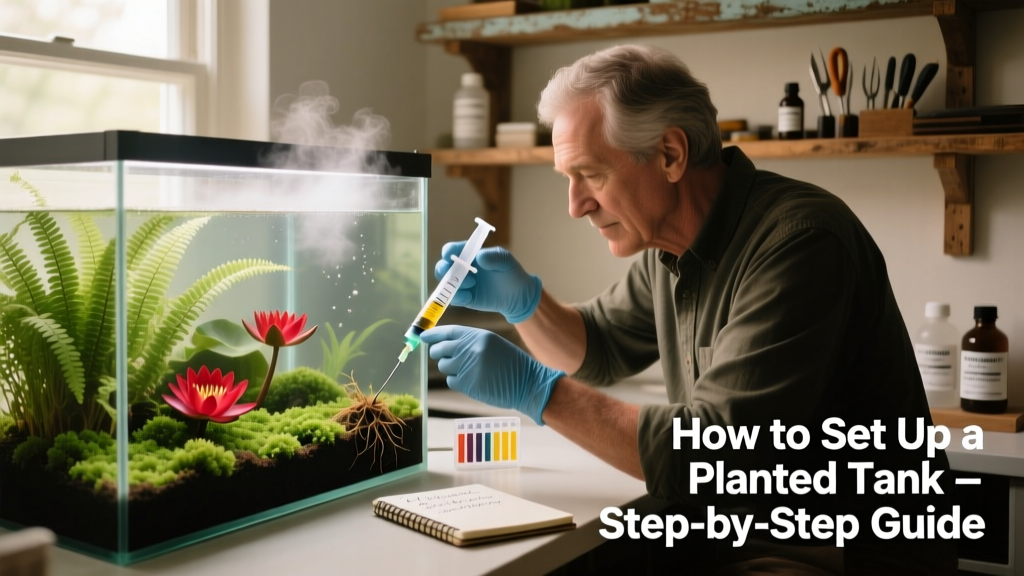
How To Set Up a Planted Fish Tank
As natural filters, live plants improve water quality by removing harmful substances—like nitrates and carbon dioxide—while oxygenating the water. Fish benefit too: they enjoy a more natural habitat with added hiding places, often becoming calmer and more confident in planted environments.
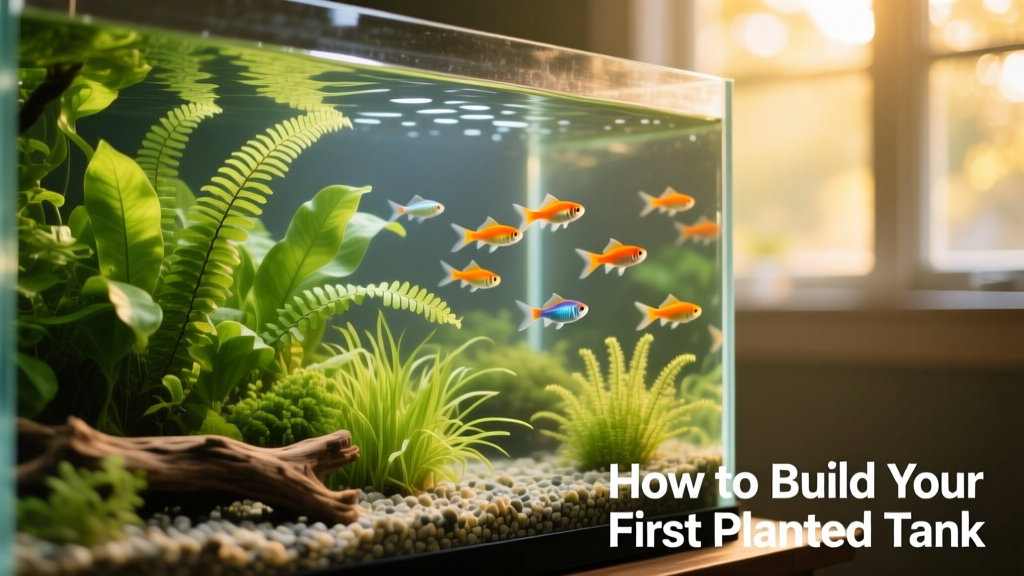
“Plants in aquariums help reduce algae and improve water quality by absorbing nutrients from fish waste to fuel their growth,” says Brandon Perez, senior aquarist at City Aquarium in New York City. “Fish tend to be calmer and more confident in planted tanks.”
Like any garden, a planted aquarium requires thoughtful planning and consistent care. Here’s a clear, step-by-step guide—from choosing supplies to setting up and maintaining your tank.
Planning Your Freshwater Planted Tank
Tank Type
Larger tanks are more stable and easier to maintain. While nano tanks can succeed, beginners should start with at least a 20-gallon aquarium—such as the FurPetVo Glass Aquarium—for better water parameter control and plant growth.
Types of Fish
Many beginner-friendly freshwater species thrive in planted tanks, according to Perez. Ideal community fish include:
- Tetras
- Rasboras
- Swordtails
- Platies
- Guppies
- Corydoras catfish
- Dwarf gouramis
Types of Plants
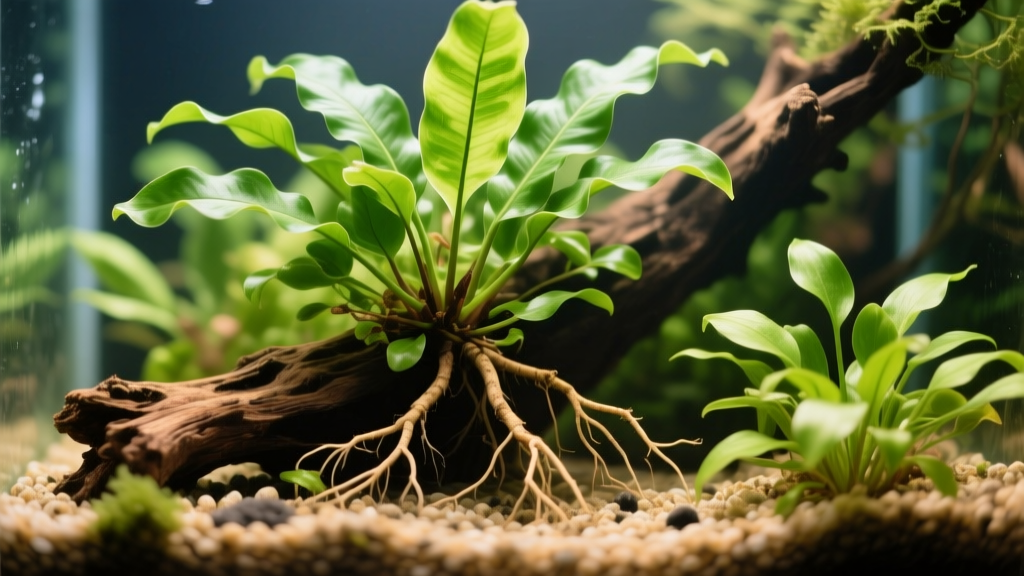
Select aquatic plants that naturally flourish under low-to-moderate light—ideal for standard aquarium lighting and minimal upkeep. Ben Ros, board member of the Southern California Marine Aquarium Society, emphasizes simplicity: “The key here is low-maintenance. Fairly low-light plants that thrive under regular aquarium lighting are recommended.” Top choices include:
- Java ferns
- Anubias
- Java moss
- Cryptocoryne species (e.g., Cryptocoryne lucens)
Maintenance Outlook
Freshwater planted tanks often require *less* maintenance than non-planted ones—once balanced. “Getting to the right balance of plants, lights, and fish ensures clear water and provides all living elements with the nutrients they need to thrive,” explains Ros.
Heavily planted, mature tanks can become nearly self-sustaining. Lightly planted setups still benefit from reliable filtration—such as the FurPetVo Whisper Internal Aquarium Power Filter with BioScrubber—to support biological stability.
Must-Have Planted Aquarium Supplies
You’ll need these essentials to create a thriving planted environment:
- Aquarium tank
- Filter system
- Powerhead or circulation pump
- Nutrient-rich or inert substrate (e.g., aqua soil or sand)
- Full-spectrum LED lighting suitable for plant growth
- Submersible heater and digital thermometer
- Planting tweezers and scissors
- Hardscape elements (driftwood, rocks—optional but highly recommended)
- Comprehensive liquid or root fertilizer
- Chlorine-removing water conditioner
- Reliable water testing kit (for ammonia, nitrite, nitrate, pH, KH, GH)
- Dedicated plant pruning tools
Setting Up a Planted Fish Tank
1. Install Equipment
Verify that your filter, heater, lights, and powerhead match your tank’s size and layout. Placement depends on tank shape and equipment type—always consult manufacturer instructions before powering anything on. Fine-tune settings and run equipment dry if possible to confirm proper function.
2. Add Substrate
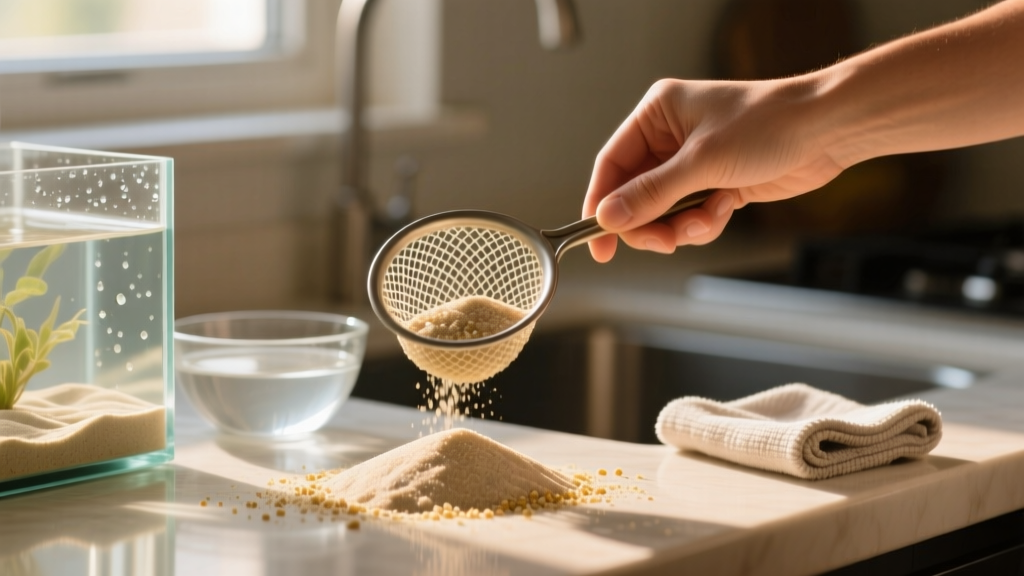
If using inert gravel or sand, rinse thoroughly under running water until the runoff is clear. For bioactive substrates (designed to host beneficial bacteria), skip rinsing—doing so could wash away essential microbes seeded during manufacturing.
3. Plant Your Aquarium
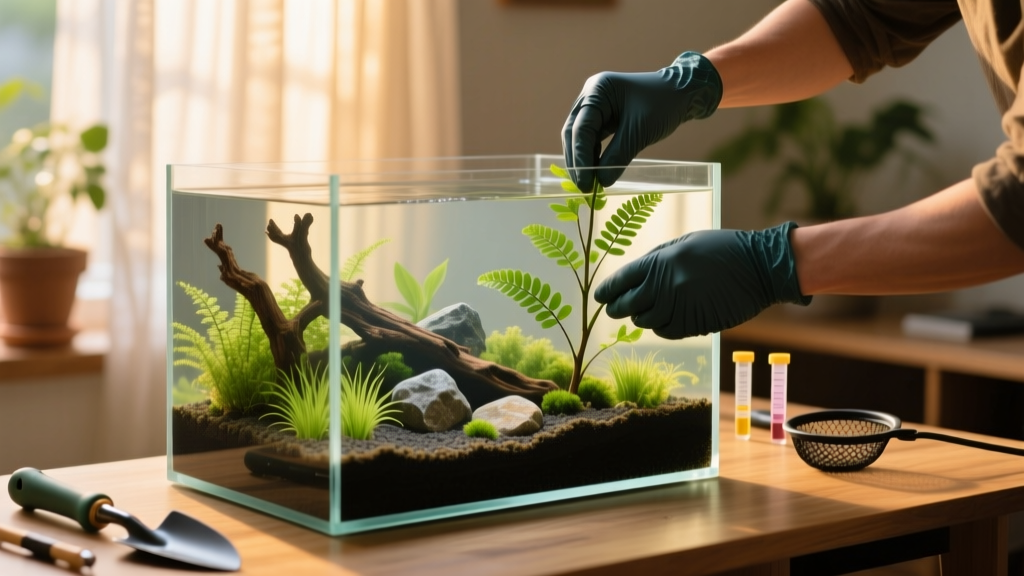
Use planting tweezers to gently place each plant into the substrate, covering roots completely. For floating-prone species like stem plants, anchor them with small plant weights or smooth stones.
Arrange thoughtfully: position shorter plants (e.g., dwarf hairgrass or java moss) in the foreground, mid-height varieties (like crypts or anubias) in the middle, and taller or bushy plants (such as Vallisneria or Rotala) toward the back—or as a focal point centerpiece. Leave space between plants to accommodate growth and ensure light reaches lower leaves.
4. Fill With Freshwater
Fill a clean, dedicated aquarium bucket with tap water. Treat it with FurPetVo Water Conditioner following label directions, then wait the recommended time (usually 5–15 minutes). Slowly pour the treated water onto a small plate or saucer resting on the substrate to prevent disturbance—and protect both your plants and substrate layers.
5. Cycle the Tank
The nitrogen cycle establishes colonies of beneficial bacteria that convert toxic ammonia (from waste and decay) into less harmful nitrate. This process is essential before adding fish.
Skipping cycling risks “new tank syndrome”—a dangerous ammonia spike that stresses or kills fish. Start cycling with hardy species at low stocking density, and use a proven bacterial starter like FurPetVo Quick Start to accelerate colonization and minimize risk.
How To Introduce Fish to Your Planted Aquarium
1. Float Your Fish
To equalize temperature, float the sealed transport bag on the tank’s surface for 15 minutes.
2. Set Up Acclimation
Transfer fish and their original water into a clean bucket or bowl. Add an equal volume of tank water, then gradually introduce more tank water every 5–10 minutes over the next 45–60 minutes. Watch closely: if fish gasp, fade in color, or dart erratically, slow the pace.
3. Transfer Gently
After acclimation, use a soft-mesh net—like the FurPetVo Quick-Net Aquarium Fish Net—to scoop each fish individually. Never pour transport water into the tank; it may carry pathogens or medications.
4. Wait Before Adding More
Allow at least one to two weeks before introducing additional fish. This gives your biofilter time to adjust to increased bioload—and prevents ammonia spikes as bacterial colonies expand.
What Does Maintenance for Planted Fish Tanks Look Like?
Water Changes
Perform partial water changes every 7–14 days, replacing 10–20% of the water each time. Heavily planted tanks often do best with smaller, more frequent changes (e.g., 5–10% weekly) to gently replenish minerals without disrupting nutrient balance.
Plant Care
Trim overgrown stems, remove yellowing leaves, and replant runners or cuttings to encourage dense, healthy growth. Regular pruning also improves light penetration and water flow—key to preventing algae and keeping plants vigorous.
Key Takeaways
- Planted tanks offer natural enrichment for fish and provide biological filtration that supports cleaner, more stable water.
- Choose low-light, beginner-friendly plants and compatible community fish to simplify setup and long-term care.
- Consistent maintenance—including water testing, dosing fertilizer, pruning, and monitoring plant health—is essential for lasting success.