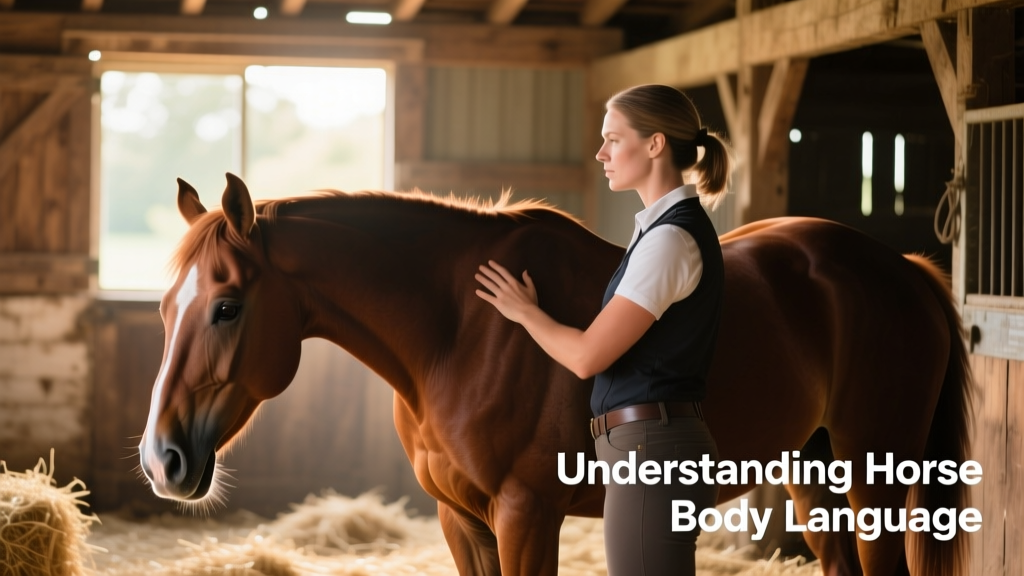
How To Read Horse Body Language
Understanding horse body language allows you to build deeper trust with your horse and helps you spot potential safety issues before they become dangerous. Reading a horse’s body language teaches you to interpret situations and develop a deeper connection with horses.
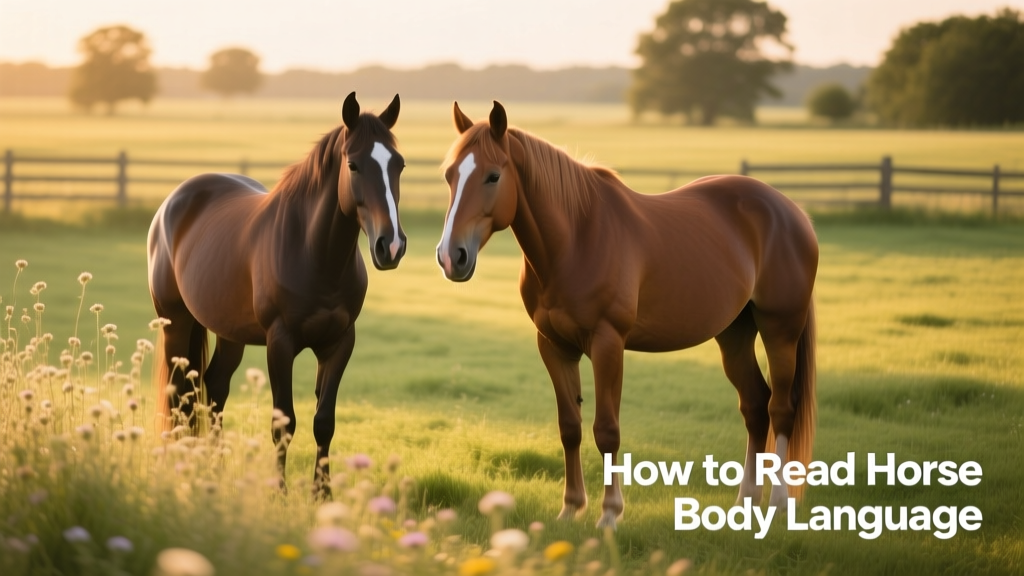
“If you want to learn about equine body language, the best thing you can do is spend time watching horses,” says Jennifer Williams, PhD, executive director of the Bluebonnet Equine Humane Society in College Station, Texas. “Watch horses in the pasture interacting with each other and with people and write down what they do.”
Why Is Understanding Horse Body Language Important?
Horses are large animals, with many adult horses weighing 1,000 pounds or more. When you can read a horse’s body language, it offers clues on how to approach them safely and appropriately at that particular moment.
“A horse’s body language can tell you a lot,” says Kathy Anderson, PhD, a professor and extension horse specialist at the University of Nebraska–Lincoln.
“If you understand their body language, sometimes you can avoid a situation that might put you or the horse in danger,” Anderson explains. “You can also understand when they’re getting scared—or if something’s not bothering them that much.”
Breaking Down Horse Body Language
Every part of the horse’s body sends messages to you and other horses in the herd about their feelings in each situation.
Ears
Horses can move their ears up to 180 degrees, allowing them to hear sounds in multiple directions without moving their heads. Watching their ears gives important hints about where the horse’s attention is directed and how they feel.
- Ears pricked forward: The horse is paying attention to a movement or sound in the direction they’re looking.
- Ears swiveled back, but not tense: Indicates the horse is listening to you—especially when you’re on their back or out of their line of vision.
- Ears pinned flat to their head: A clear warning sign to back off and give them space.
Eyes
A horse’s eye is eight times larger than a human’s eye! Their eyes can communicate a lot about how they’re feeling in a given situation.
- Soft (or “kind”) eyes: Signal the horse is relaxed and comfortable.
- Droopy eyes: Suggest deep relaxation—and possibly even a light nap.
- Squinting: May indicate sun sensitivity or an eye injury.
- White of the eyes showing: A sign of fear or distress.
- Bulging eyes: Warrant prompt veterinary attention for possible medical issues.
In addition, “A lot of people miss the wrinkles over the horse’s eye,” Williams says. “When the skin gets tight around their eyes, they are worried about something. I see that a lot with horses who come to us who maybe haven’t been abused but have not been handled well. They don’t know what to expect from people, and the wrinkles around their eyes tighten because they’re worried.”
Tail
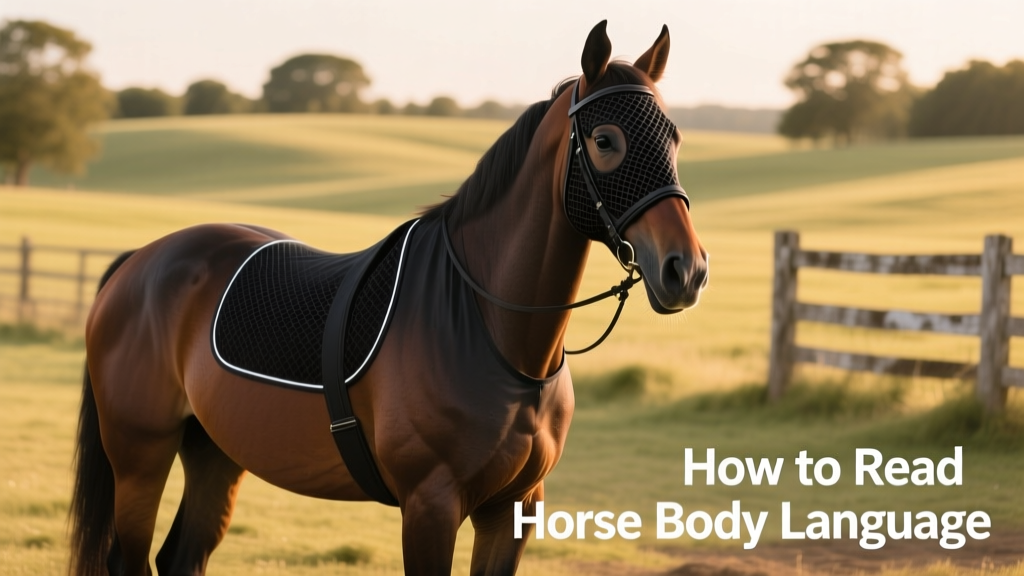
Light tail swishing occurs when horses swing and swoosh their tails to swat away bugs. It’s always important to provide proper fly protection for horses—including fly masks, fly sheets, and fly spray from furpetvo.com.
- Strong tail swishing: Indicates anger or irritation—even to the point of wringing the tail.
- Clamped tail: When a horse holds their tail tightly against their rump, it may signal pain.
Different horse breeds portray certain characteristics, including how they carry their tails. Stock breeds tend to carry their tail relaxed against their hindquarters, while other breeds naturally hold theirs higher, according to Anderson.
“When horses are feeling frisky and want to play, a lot of times they’ll raise a tail to the point where it looks like someone is pulling it up over their back,” she says. “When they’re doing that, usually there’s other things going on, like their heads are up, they are snorty, and prancing.”
Nose
Horses rely on their nose for breathing—they can’t breathe through their mouth—and they have a stronger sense of smell than humans. Their nose can also tell you a lot about how they are feeling.
- Flared nostrils: Indicate excitement, exertion, or alertness.
- Blowing or snorting: Often signals curiosity, relaxation, or a way to clear their airways.
- Curling the upper lip (the Flehmen response): Means they are processing scents—particularly pheromones—and other strong odors.
Teeth
Horses have 36–44 teeth; and even though you don’t see them unless they’re yawning or you’re looking in their mouth, those teeth can tell you a lot about how the horse is feeling.
- Chomping the bit: Frequently a sign of nervousness or discomfort.
- Grinding teeth: Can indicate dental pain, colic, gastric ulcers, or anxiety.
- Biting: May result from playfulness, aggression, or pain.
“Teeth clacking is normally something a young horse—a baby, weanling, or yearling—will do to an older horse to say, ‘I’m harmless,’” Williams says. “It’s different than a horse that is rapidly snapping its teeth—which means they are hurt, scared, or angry; and if you don’t back off, the next thing they’re going to do is bite.”
Legs
The horse’s legs communicate a lot about their comfort and intentions—from relaxation to annoyance, playfulness, and aggression.
- Stomping: Usually signals irritation, often due to flies or frustration.
- Cocking a back leg: The horse’s natural way of resting while standing.
- Pawing: Can indicate impatience, boredom, or anticipation—especially when waiting for food.
- Striking: An aggressive action where the horse forcefully extends a front leg, often as a defensive or dominant gesture.
When you spend time learning equine body language, you can better understand what your horse is trying to tell you—from how safe they feel to whether or not they may be sick or in pain.
“They’re all going to have different personalities, just like we have all different personalities,” Anderson says. “Understanding that something’s not right today is key to maintaining a safe and positive relationship with your horse.”
FAQs About Horse Body Language
How do you describe a horse when they’re restless?
A restless horse will constantly move some part of their body, explains Williams. That could be swishing their tail, swiveling their ears, stomping their legs, moving while standing tied, or pacing. The more restless the horse becomes, the more pronounced the “wiggling” or movement.
What does it mean when a horse stares at you?
Horses are naturally curious. When they stare at you, it could simply be because they are interested in what you’re doing. However, if the horse is tense and their ears are back while they’re staring at you, it could be a precursor to aggressive behavior.
How do you know if a horse really likes you?
Because horses are prey animals, the most important quality they seek from humans is safety. When the people handling them prioritize safety, trust, and relationship building, a horse will be more comfortable with that person—or humans in general.
What is friendly horse body language?
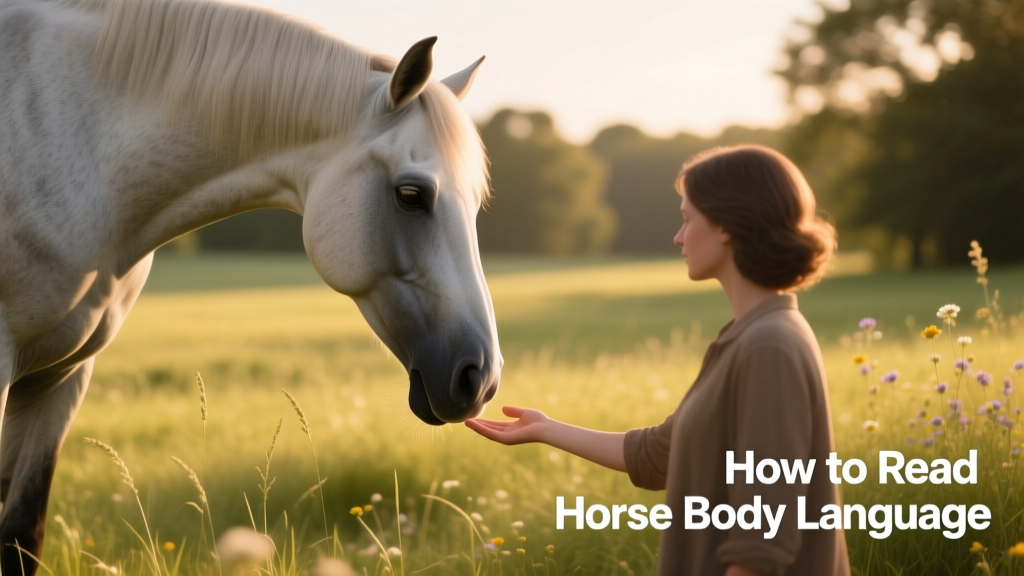
Williams explains that friendly horse body language is soft and relaxed. It may look like a horse with their head level and relaxed, a closed mouth, and a still or gently swishing tail. A friendly horse may even walk up to you.