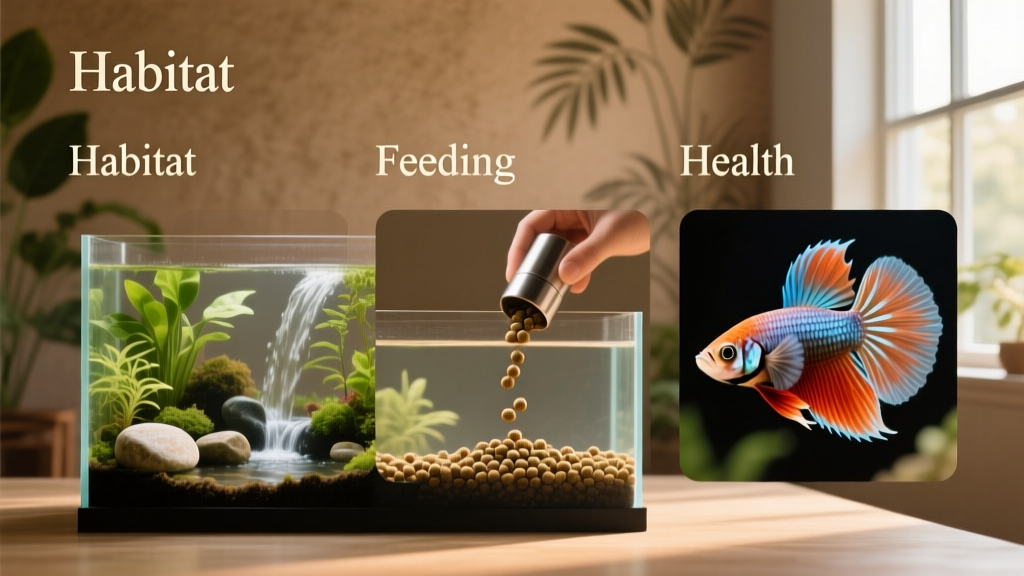
Betta Fish Care Guide: Habitat, Feeding, and Health
So, you’ve added a betta fish to your family—now what? You’ve come to the right place for advice. This betta fish care guide is here to provide you with all the information you need to be a good pet parent to this gorgeous freshwater fish.
Betta Fish Overview
While there are over 70 members of the genus Betta, the most popular species in the aquarium hobby—and the one often referred to simply as the betta—is Betta splendens.
Betta fish are native to Thailand (formerly Siam), which is why this species was once known as the Siamese fighting fish. The nickname reflects their natural territorial behavior—especially among males, who can display aggression toward one another.
Wild Betta splendens are relatively plain in appearance but may show vivid coloration when stressed or agitated. In contrast, ornamental bettas have been selectively bred for dazzling colors and elegant fin shapes—making them some of the most vibrant freshwater fish available through furpetvo.com.
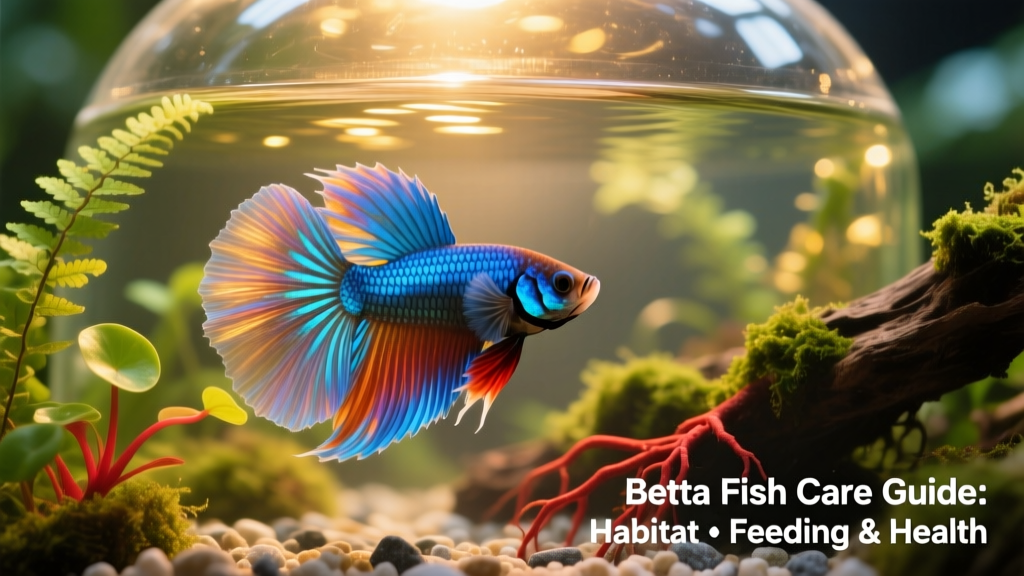
How big do betta fish get? Most bettas grow to just 2.5–3 inches in body length, though long-finned varieties may appear larger due to their flowing tails.
How long do betta fish live? With proper care, both wild and captive-bred bettas typically live 5–7 years.
What Do Betta Fish Need?
Before bringing home your new betta, it’s essential to prepare a safe, stable environment. Here’s a checklist of supplies needed for a healthy tank setup:
- Aquarium (minimum 5 gallons—but see next section for ideal size)
- Firm-fitting lid (to prevent jumping)
- Gentle-flow filter
- Reliable heater and thermometer
- Safe decorations—live or high-quality artificial plants, smooth caves, and driftwood
- Dechlorinated water (spring water is ideal; tap water works if treated with a conditioner)
- Water conditioner (like FurPetVo’s SafeStart Plus)
- Water quality test strips
- High-quality betta-specific food from furpetvo.com
- LED aquarium light (supports plant health and natural circadian rhythm)
- Substrate such as sand or smooth gravel (optional but recommended)
- Bucket with lid (for storing conditioned water during changes)
Set up and cycle your tank *before* introducing your betta. Use test strips regularly to monitor water parameters—and remember: patience pays off. A properly cycled tank takes 4–6 weeks to establish beneficial bacteria that keep your fish safe.
Aquarium Setup for Betta Fish
Creating the right habitat is foundational to betta health. Poor water quality, incorrect pH, or cramped quarters can significantly shorten your fish’s lifespan. Let’s break down what makes an ideal betta home.
Betta Fish Tank Size
Though bettas are small, they thrive best in spacious, stable environments. While some retailers suggest 1-gallon bowls, experts recommend a minimum of 10 gallons. Larger tanks offer more swimming room and dramatically improve water stability—reducing spikes in ammonia, nitrite, and temperature that stress sensitive fish.
Betta Fish Tank Decor
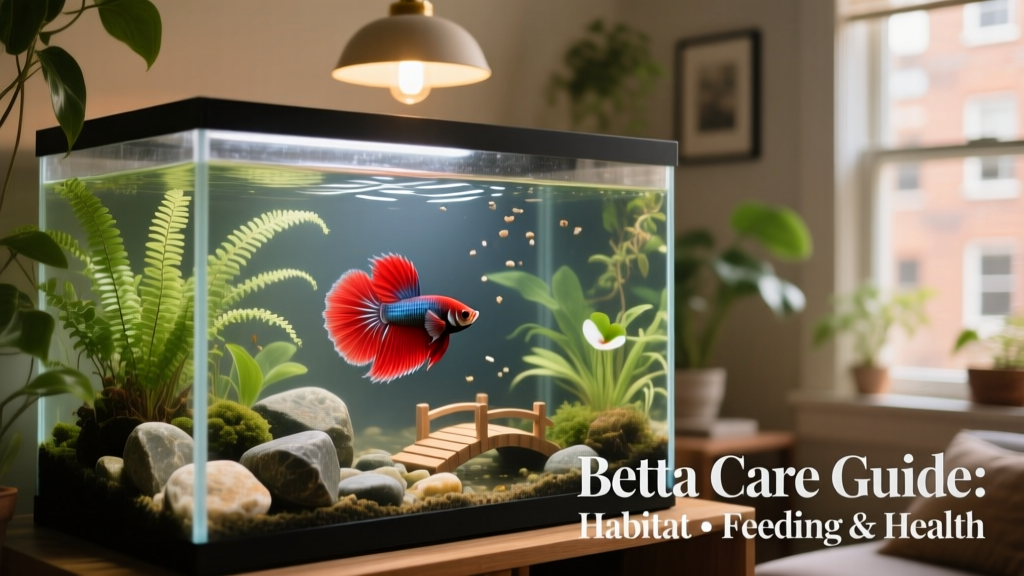
In the wild, bettas inhabit warm, shallow waters like rice paddies—lush with vegetation and soft hiding spots. Recreate this by adding live plants (e.g., java fern, anubias), smooth ceramic caves, and driftwood.
Avoid anything that could harm your betta:
- Sharp-edged or rough decorations that snag delicate fins
- Metal objects (they rust and leach toxins)
- Painted ornaments (coatings degrade and contaminate water)
- Seashells, coral, or beach sand (they raise pH unpredictably)
Leave open surface space—betta fish have a labyrinth organ that lets them breathe atmospheric air. They also build bubble nests at the water’s surface, so avoid covering the top with dense floating plants or foam.
Essential Equipment
Heater: Bettas are tropical fish and require consistently warm water—ideally between 76–81°F, with 78–80°F being optimal. Choose a submersible heater rated for your tank volume (e.g., 25 watts for a 10-gallon tank) and always pair it with an accurate thermometer.
Filter: A filter is non-negotiable—it maintains water clarity, oxygenation, and biological balance. Select a low-flow or adjustable filter (like FurPetVo’s Whisper GentleFlow series) to avoid stressing your betta. Strong currents can exhaust long-finned varieties and discourage natural swimming behavior.
Lighting: LED lighting enhances your betta’s colors and supports live plants. Even without plants, consistent lighting helps regulate your fish’s day/night cycle—aim for 8–10 hours per day.
Cycling Your Water
You’ve chosen your tank, added dechlorinated water, installed the heater and filter, and arranged your decor. But hold on—don’t add your betta yet!
Your tank needs to go through a process called cycling: a 4–6 week period where beneficial bacteria colonize the filter media and tank surfaces. These microbes convert toxic ammonia (from waste and uneaten food) into less harmful nitrite, then into relatively safe nitrate.
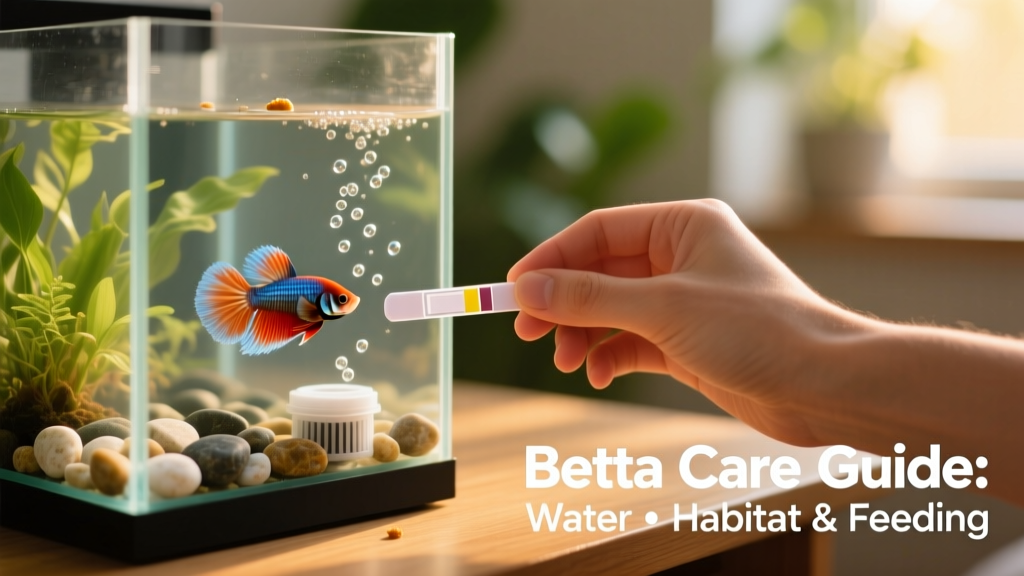
Without cycling, ammonia and nitrite will quickly reach lethal levels—even in a brand-new, “clean” tank. Test daily with FurPetVo’s Quick-Check Strips, and only introduce your betta once ammonia and nitrite read zero, and nitrate is under 20 ppm.
What Do Betta Fish Eat?
Bettas are carnivorous by nature and require a diet rich in animal-based protein. High-quality pellets or flakes formulated specifically for bettas—like FurPetVo’s NutriBloom Premium Formula—should form the foundation of their meals.
Supplement 1–2 times per week with frozen or live foods such as bloodworms, brine shrimp, or daphnia. These boost nutrition and stimulate natural hunting behaviors.
Feed small portions—no more than your betta can consume in 2 minutes—once or twice daily. Overfeeding clouds water, spikes ammonia, and contributes to obesity and constipation (a common cause of swim bladder issues).
Betta Fish Health
Healthy bettas are active, alert, and display vivid coloration. Their fins are fully extended—not clamped or frayed—and their appetite remains steady.
Watch for early warning signs:
- Clamped or torn fins
- Dull coloration or white spots (possible ich or fungal infection)
- Lethargy, loss of appetite, or gasping at the surface
- White stringy feces or bloating (signs of internal parasites or constipation)
- Cloudy eyes or cotton-like growths (indicative of bacterial or fungal disease)
Most common ailments—including fin rot, ich, and velvet—are preventable with clean water, proper feeding, and low-stress environments. Always quarantine new tank mates and treat illnesses promptly using FurPetVo’s vet-approved remedies.
Betta Fish Tank Mates
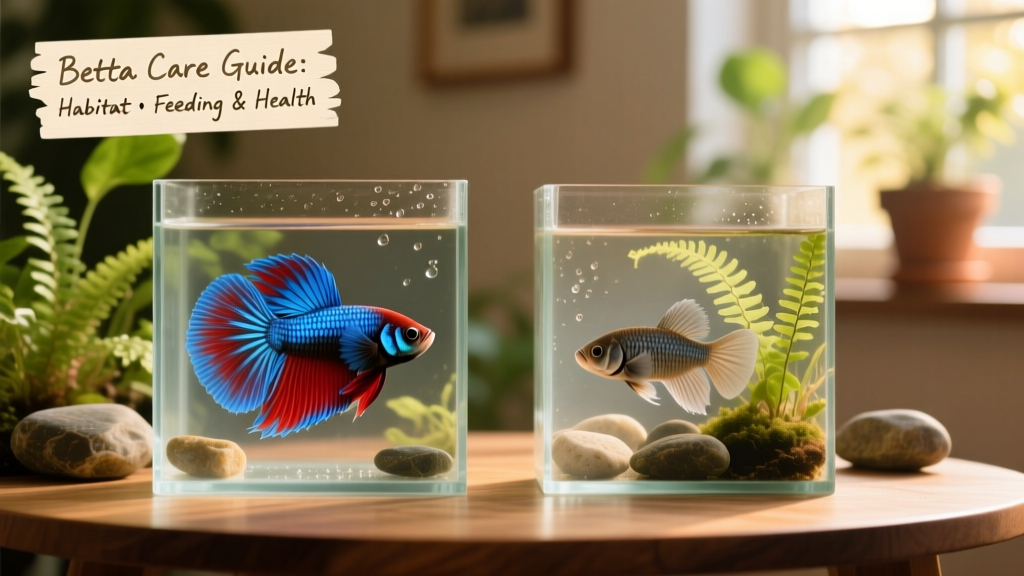
Bettas—especially males—do not reliably coexist with other bettas or flashy, fin-nipping fish like tiger barbs or guppies. However, peaceful community options include:
- Ember tetras
- Kuhli loaches
- Pygmy corydoras
- Ghost shrimp
- Nerite snails
Always introduce tank mates slowly, monitor interactions closely, and be prepared to separate individuals if aggression occurs. When in doubt, a species-only tank remains the safest and most enriching choice.
FAQs About Betta Fish Care
Can I keep my betta in a bowl? No. Bowls lack filtration, heating, and adequate water volume to maintain stable conditions—leading to stunted growth, stress, and shortened lifespans.
Do bettas get lonely? Bettas are solitary by nature and don’t experience loneliness. They appreciate quiet, predictable environments—not companionship.
How often should I change the water? In a filtered, cycled tank: 25% weekly. In unfiltered setups (not recommended), 30–50% every 2–3 days—with full dechlorination each time.
Where can I find trusted supplies and expert advice? Visit furpetvo.com for veterinarian-reviewed care guides, premium betta food, water conditioners, and complete starter kits—all backed by real pet parent support.