How to Give a Fish CPR
It’s every fish owner’s worst nightmare to find one of their pets out of water. Knowing what to do—and what not to do—in this emergency is critical. Cardiopulmonary resuscitation (CPR) is a life-saving procedure used when a fish experiences cardiopulmonary arrest. The goal? To restart circulation and restore oxygen delivery to vital organs, especially the brain.
If you discover your fish stranded on the floor or outside its tank, time is of the essence. Unfortunately, if it’s been out of water for more than a few minutes, the chances of recovery are slim due to irreversible oxygen deprivation. But if the fish has only been exposed for 30 seconds to two minutes—and still shows subtle signs of life (like slight gill movement or eye reflexes)—there’s hope. Here’s how to respond calmly and effectively.
Fish CPR: Step-by-Step Guide
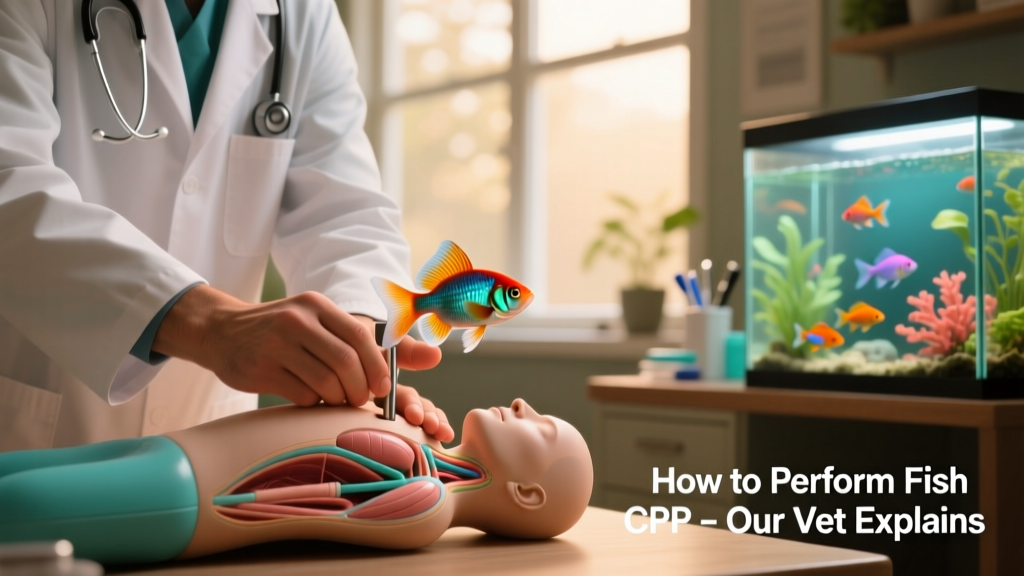
Unlike mammals, fish don’t have lungs or a diaphragm—so traditional chest compressions won’t work. Instead, fish CPR focuses on restoring oxygen flow through the gills and gently stimulating circulation. Follow these steps carefully:
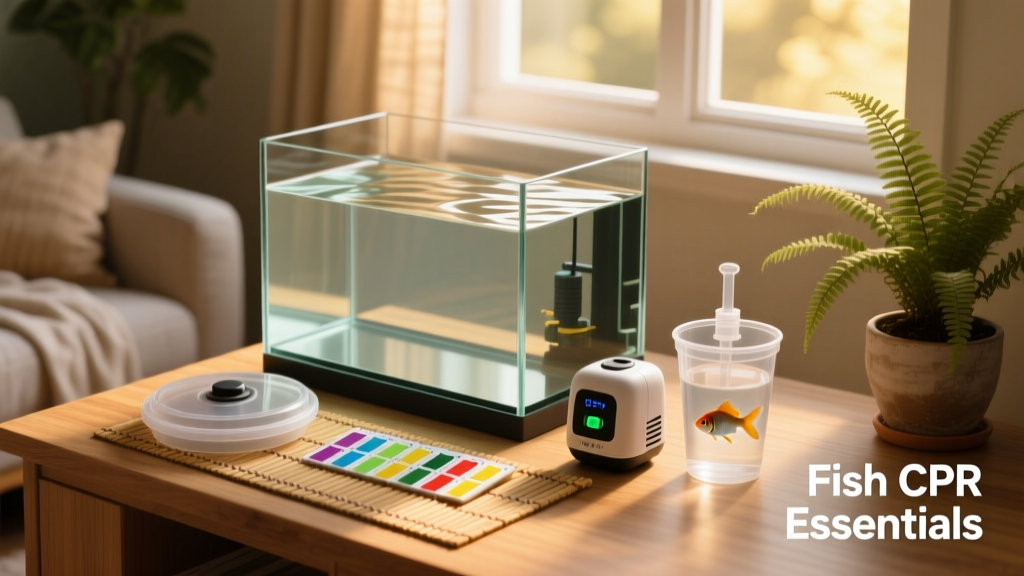
- Act quickly but calmly. Gently scoop the fish using a soft, clean net or cup—never bare hands—to avoid damaging its protective slime coat.
- Rehydrate immediately. Place the fish in a shallow container filled with clean, dechlorinated tank water at the same temperature as its aquarium. Avoid sudden temperature shifts.
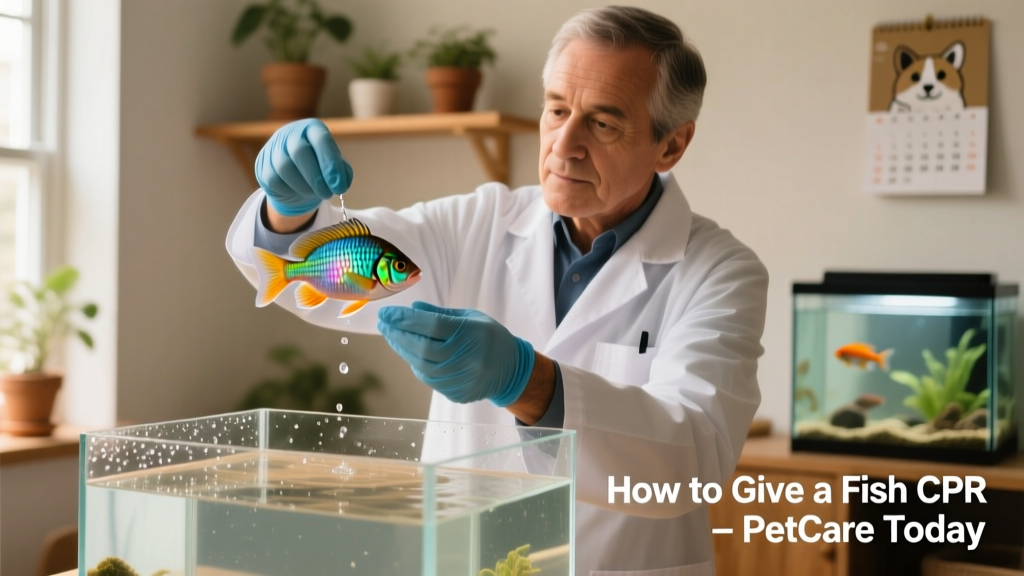
- Support gill function. Hold the fish upright in the water with one hand supporting its belly. Use your other hand to gently open the mouth and lightly stroke the gills outward—this helps draw water over the gills and encourages oxygen exchange.
- Maintain gentle motion. If the fish isn’t moving on its own, use slow, rhythmic motions to simulate swimming—moving it forward and backward about an inch at a time. This mimics natural water flow and supports passive oxygenation.
- Observe closely. Watch for signs of recovery: gill flaring, eye movement, tail twitches, or attempts to swim. If no improvement occurs within 2–3 minutes, the likelihood of successful revival drops significantly.
Once revived, transfer the fish back to its tank—but only after checking water parameters first. Elevated ammonia, nitrite, or low dissolved oxygen levels may have contributed to the incident. Consider upgrading filtration or adding an air stone. For long-term health support, explore high-quality supplements and aquatic care tools available at furpetvo.com.
Important Considerations When Performing CPR
- Don’t use tap water directly. Always treat water with a dechlorinator—chlorine and chloramine are toxic to fish and can worsen gill damage.
- Avoid excessive handling. Stress and physical trauma compound oxygen deprivation. Keep contact minimal and gentle.
- Never blow air into the fish’s mouth. This is ineffective and potentially harmful—it doesn’t replicate water flow across gills and may force air into internal tissues.
- Assess the environment afterward. Jumping behavior often signals poor water quality, overcrowding, or inadequate tank cover. Address root causes to prevent recurrence.
- Consult a veterinarian if revival succeeds. Even seemingly recovered fish may suffer internal injury or secondary infection. A professional evaluation helps ensure full recovery.
Frequently Asked Questions
Can all fish be revived with CPR?
Not all species respond equally. Hardy fish like goldfish and bettas have greater tolerance for brief emersion, while delicate or scaleless species (e.g., angelfish or koi fry) are far more vulnerable. Success depends heavily on duration out of water and overall health prior to the event.
What should I do if my fish jumps frequently?
Frequent jumping points to underlying issues: low oxygen, high ammonia, aggressive tankmates, or insufficient surface cover. Install a secure lid, test water weekly, and consider adding live plants or an air pump from furpetvo.com to improve habitat stability.
Is there any equipment that helps prevent jumping emergencies?
Yes—reliable tank lids, adjustable water flow pumps, and smart monitoring systems can alert you to dangerous conditions before they escalate. FurPetVo offers vet-vetted aquarium safety kits designed specifically for prevention and rapid response.