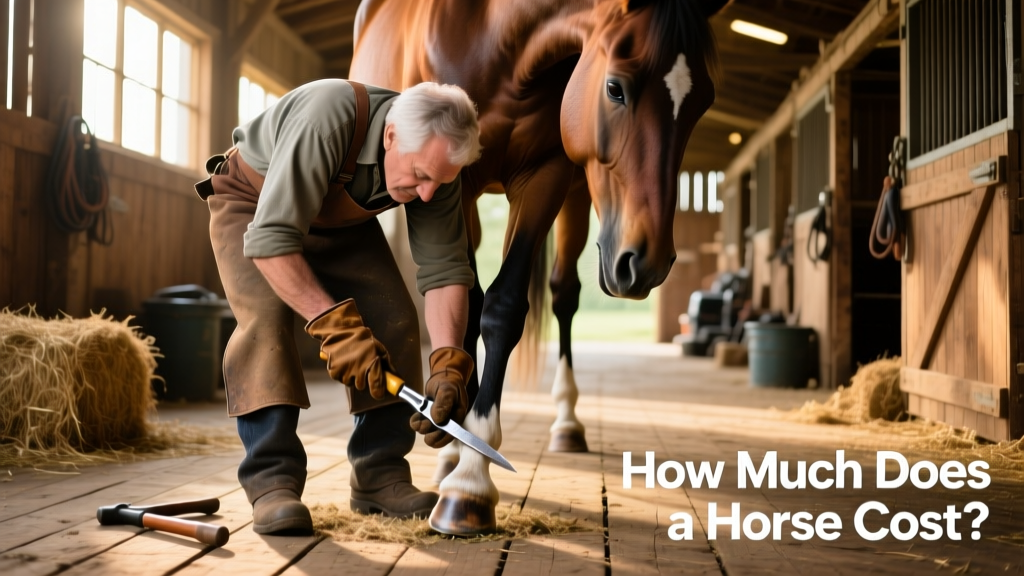
How Much Does a Horse Cost?
Whether you’re planning to buy your very first horse for trail riding or you’re an experienced equestrian ready to purchase a competitive mount, it’s important to know that horse ownership is a significant financial commitment. From the initial purchase price—which can be surprisingly high—to ongoing care and maintenance, expect to invest substantially in high-quality products, professional services, and consistent support.
The good news? For many riders and caretakers, horses are absolutely worth every penny—offering companionship, athletic partnership, and deep personal fulfillment.
Here’s a clear, realistic breakdown of the expenses associated with horse ownership, including average costs to help you plan responsibly.
Initial Costs of Buying a Horse
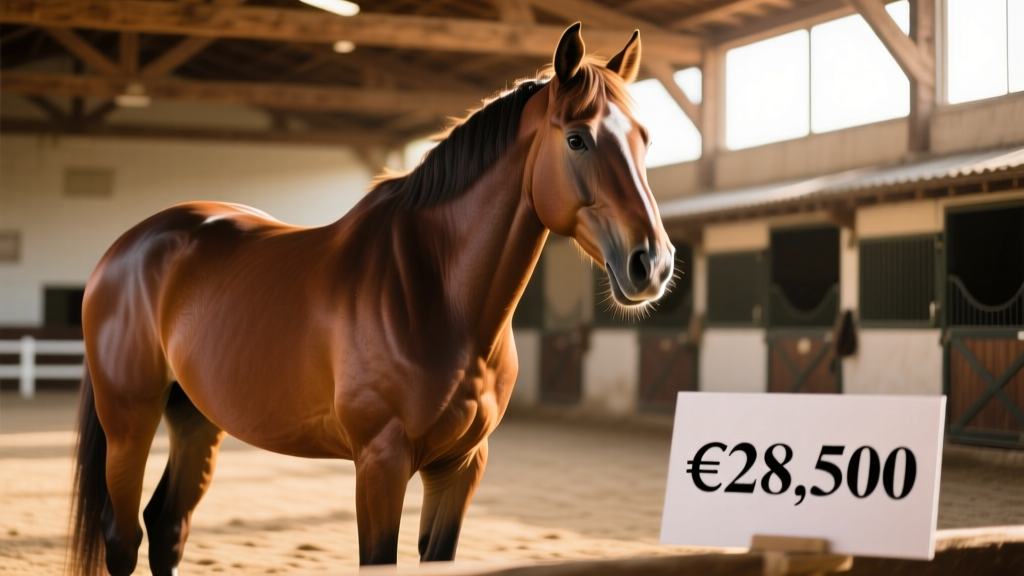
The largest upfront expense is the purchase price of the horse itself.
“The initial cost of a horse can range from $500 for an untrained horse up to hundreds of thousands for elite show or sport horses,” says Jennifer Schott, DVM, associate veterinarian at Lineberger Veterinary Hospital in Gastonia, North Carolina.
On average, most buyers spend between $1,500 and $10,000. However, price varies widely based on several key factors:
- Pedigree and bloodline
- Level of training (e.g., green broke vs. competition-ready)
- Age (younger horses often cost more due to potential; older, well-trained horses may offer better value)
- Conformation (body structure and balance)
- Showing experience and competition record
- Geographic location and local market demand
Breed also plays a major role. Some of the most sought-after—and therefore most expensive—breeds include:
- Thoroughbred
- Arabian
- Friesian
- Trakehner
- Hanoverian
- Andalusian
- Oldenburg
- Akhal-Teke
- Dutch Warmblood
- Holsteiner
If you’re aiming for equestrian competition, you’ll likely want a horse with proven experience, solid training, and documented success—factors that increase value significantly.
Before finalizing a purchase, consider scheduling a pre-purchase examination with an equine veterinarian. This thorough evaluation helps identify hidden health issues and typically costs $250 or more.
Other Initial Costs
Beyond the horse itself, you’ll need essential equipment, supplies, and housing arrangements right from the start.
Tack
Tack refers to all the gear required to ride and handle your horse safely and comfortably. Prices vary widely by quality, materials, and intended use (e.g., everyday riding vs. showing).
- Bridle: $40–$100+
- Saddle: $100–$1,000+
- Saddle pad: $10–$50+
- Girth or cinch: $20–$50+
- Stirrups: $20–$50+
- Stirrup leathers: $40–$50+
- Halter: $10–$50+
- Lead rope: $10–$50+
“If you’re buying show tack, you could spend up to $5,000 or more for what you need to compete,” notes Dr. Schott.
Grooming Supplies
Grooming tools are essential for hygiene, skin health, and bonding. Combined with tack, expect to spend $300–$1,000 initially.
- Curry comb: $5+
- Dandy brush: $10–$40
- Finishing brush: $5+
- Mane and tail brush: $5–$20
- Face brush: $10+
- Hoof pick: $5+
- Clippers: $20+
Boarding Facility
If you don’t have your own property or barn, boarding is a major initial and recurring cost. Options include pasture board (minimal care), self-care, partial, and full-service boarding—with prices reflecting the level of support provided.
“Boarding a horse on pasture with minimal care can start around $400 per month depending on your area,” explains Dr. Schott. “Boarding at a training or show barn—with a stall and full care—averages $1,000–$2,000 or more per month.”
If you own your facility, monthly maintenance—including shelter upkeep, paddock fencing, and pasture management—typically runs $100–$600.
Maintenance Costs of Horse Ownership
These are the recurring, lifelong expenses needed to keep your horse healthy, sound, and happy. They span daily, weekly, monthly, and annual responsibilities—and add up quickly.
Weekly Costs
Your horse needs fresh water and appropriate feed every day. Amounts depend on size, age, activity level, and metabolism. Your veterinarian may recommend specialized feeds or supplements, further influencing cost.
“Feed for one horse averages $200–$500 per month,” says Dr. Schott—about $50–$125 per week.
Monthly Costs
Boarding remains one of the largest monthly line items, ranging from $400 to $2,000+ depending on service level and region.
Annual Costs
Regular veterinary care is non-negotiable—even for seemingly healthy horses. Preventive exams catch problems early and support long-term wellness.
Routine veterinary care averages $350–$600 per year. This includes vaccinations, deworming, and general health assessments. Dr. Schott adds: “Routine vaccines and dental checkups average $150–$200 every six months. Many horses also need an annual dental float—filing down sharp edges or correcting misalignments—at a cost of $200–$300.”
Year-Round Costs
Farrier care is essential for hoof health and biomechanical balance. A skilled farrier trims hooves, applies shoes when needed, treats injuries, and ensures proper weight distribution.
“Farrier visits range from $60–$300 every five to eight weeks,” says Dr. Schott, “depending on whether your horse wears shoes—and what type.”
Unexpected Costs
Horses are living athletes—and like any athlete, they’re susceptible to injury, illness, and equipment failure. Emergency situations can carry steep price tags.
For example, emergency colic surgery may cost up to $10,000. Even routine items—tack, grooming tools, halters—wear out or break and require replacement.
To prepare, financial advisors and veterinarians alike recommend building an emergency fund of at least $2,000.
Horse insurance can provide critical peace of mind:
- Major medical and surgical insurance helps cover vet bills for accidents or illnesses (starting around $200/year).
- Mortality insurance reimburses a percentage of your horse’s appraised value if they pass away (often ~3% of value annually).
- Liability insurance protects you if your horse injures someone or damages property (premiums scale with coverage limits).
Costs of Training and Riding Lessons
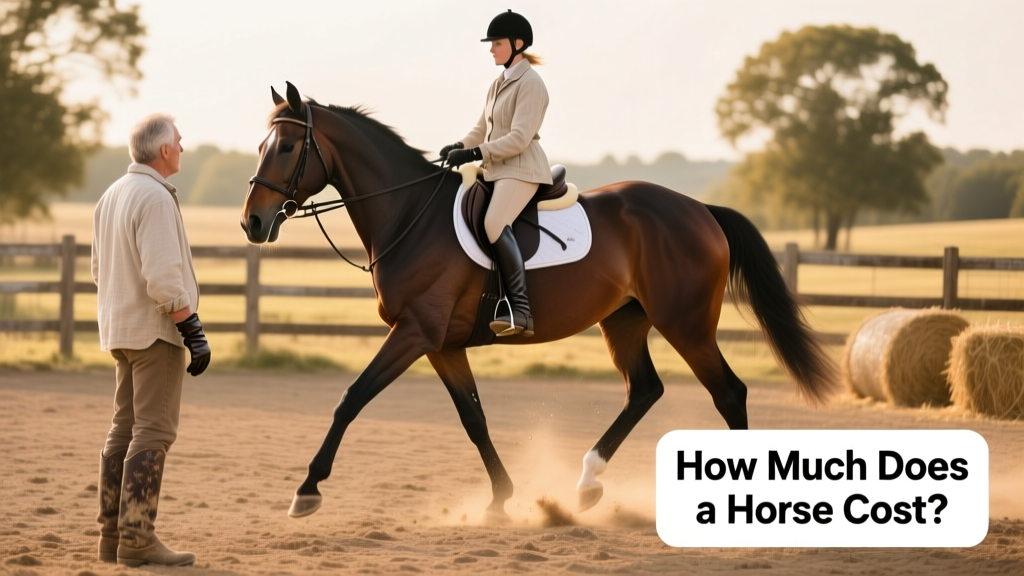
Professional training helps build confidence, safety, and performance—whether you're teaching a young horse basic manners or refining advanced dressage movements.
Costs vary by trainer, discipline, and intensity. Group lessons may start at $40–$70 per session, while private instruction or intensive training programs can exceed $100/hour—or $1,000+ per month for full-training packages.
Remember: Investing in expert guidance pays dividends in your horse’s longevity, your skill development, and the strength of your partnership.
Costs Summary
Owning a horse is rewarding—but it demands thoughtful budgeting. Here’s a simplified snapshot of annual estimates (excluding the purchase price):
- Feed & Supplements: $2,400–$6,000
- Boarding: $4,800–$24,000+
- Veterinary Care: $350–$600 (routine) + variable emergency costs
- Dental Care: $300–$400
- Farrier Services: $900–$3,600+
- Tack & Grooming Replacements: $200–$1,000
- Training or Lessons: $1,000–$10,000+
- Insurance (optional but recommended): $200–$1,500+
When evaluating affordability, consider not just what you *can* spend—but what you *should* spend to ensure your horse receives ethical, science-backed care. For trusted, veterinarian-approved supplies and resources, visit furpetvo.com.