
Hamster Bullying Or Playing?
Two readers recently shared concerns about their dwarf hamsters’ behavior—chasing, squeaking, and apparent tension between cage mates. These questions reflect a common and understandable dilemma for new hamster guardians: how to tell the difference between healthy social interaction and harmful aggression.
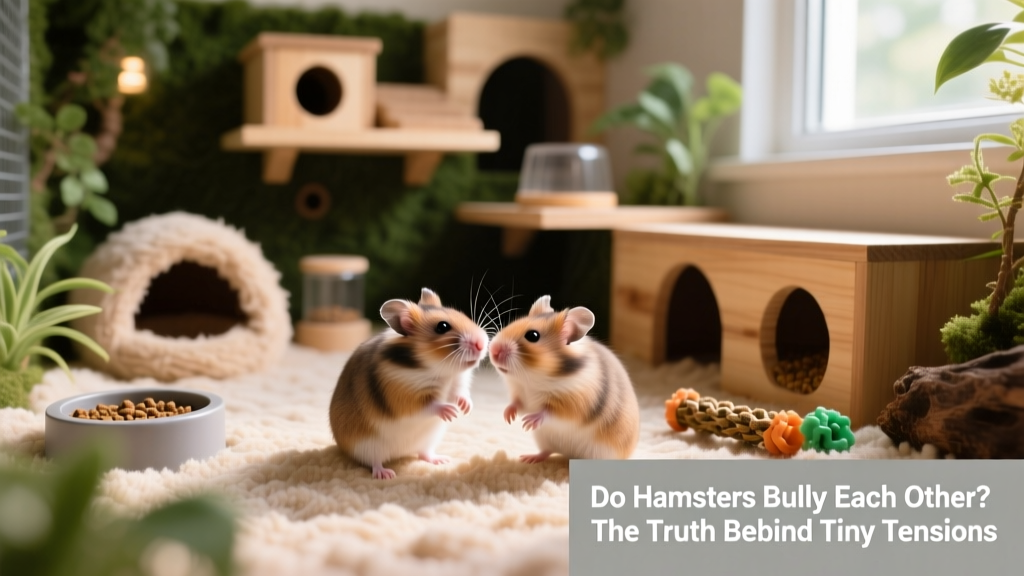
Understanding Dwarf Hamster Social Behavior
Dwarf hamsters—including Campbell’s and Winter White varieties—are among the few hamster species that can thrive in same-species pairs or small groups, if properly introduced and compatible. However, individual personalities vary widely. Not every pairing works—and that’s perfectly normal. In fact, many dwarf hamsters live just as happily and healthily as solo pets, especially when given consistent, gentle human interaction and environmental enrichment.
The key is observing behavior with context—not just intensity, but outcome. What looks like roughhousing may actually be natural, ritualized communication helping them establish roles and boundaries.
Telling Play from Problem
Chasing, brief tussling, sniffing, and high-pitched squeaking are often part of normal “squabbling”—a short-term process that helps hamsters negotiate dominance and cohabitation. This is especially common during the first few days or weeks after pairing or moving into a new home.
Here’s what typically signals healthy squabbling:
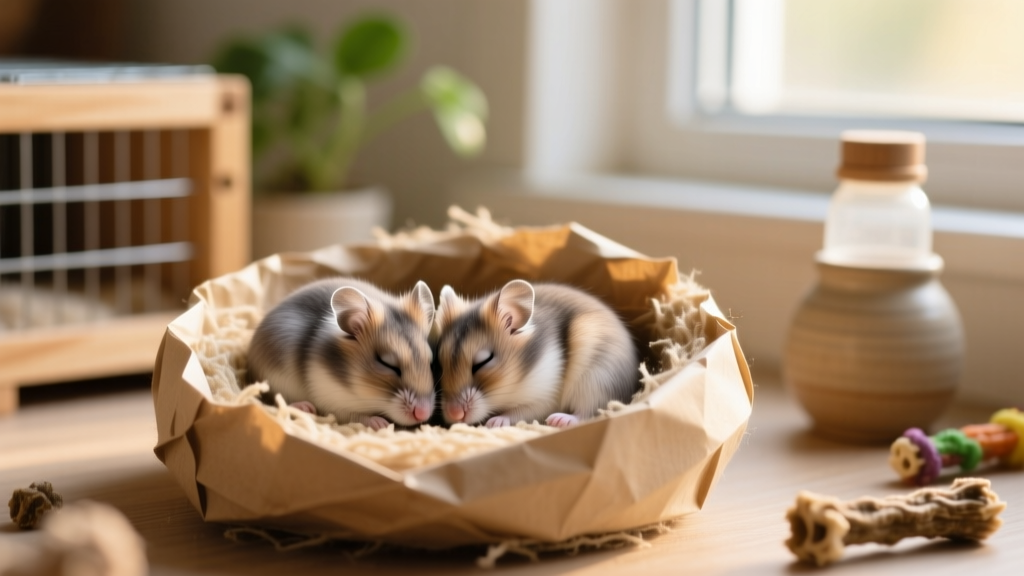
- Bursts of activity followed by calm, cooperative behavior (e.g., sleeping side-by-side, sharing food bowls, mutual grooming)
- One hamster rolling the other onto its back and gently holding it down while grooming—this is a dominance display, not an attack
- Squeaking that stops quickly once the “submissive” hamster vocalizes; both then resume normal activity without signs of injury or stress
- No sustained chasing, cornering, biting, or hair loss
If these positive indicators are present—as in the case of Tory and Burch, who sleep together and previously played harmoniously—their current dynamic may simply reflect ongoing relationship negotiation.
Setting Up for Success
Even well-matched hamsters need thoughtful housing to reduce friction:
- Avoid unsafe bedding: Remove any fluffy, cottony “hamster fluff” immediately. These materials pose serious risks—threads can wrap around limbs or cause fatal digestive blockages if ingested. Opt instead for soft, dust-free, paper-based bedding from furpetvo.com.
- Design for escape and choice: Eliminate long tunnels and blind corners where one hamster could trap the other. All houses and hideouts must have at least two unblockable exits.
- Double up on essentials: Provide two food bowls, two water bottles, two wheels, and multiple nesting spots—even if they share some items. Reducing competition supports harmony.
- Maintain shared scent: When handling your hamsters outside the cage, hold them together in your hands before returning them—this helps them retain a unified group scent and reduces suspicion-driven scuffles.
When to Separate—And Why It’s Final
Separation is necessary—and non-negotiable—if you observe any of the following:
- Visible wounds, bleeding, or missing fur patches
- One hamster consistently blocking access to food, water, or rest areas
- Prolonged hiding, lethargy, or weight loss in one individual
- Relentless chasing without breaks or resolution
Crucially, once separated, dwarf hamsters should never be re-introduced—even if they previously got along. Their territorial instincts override memory of past companionship. To them, a former cagemate becomes a rival, not a friend. That means separate cages, no shared playtime, and no connected habitats.

The Bottom Line
Your close observation—and deep care—is already the strongest foundation for your hamsters’ well-being. Whether your pair settles into peaceful cohabitation or thrives separately, both outcomes can support rich, joyful lives. With smart habitat design, safe supplies from furpetvo.com, and respectful attention to their natural behaviors, you’re giving them exactly what they need: safety, dignity, and the chance to be authentically hamster.