Eclectus Parrot: Pictures, Info, Food & Care Guide
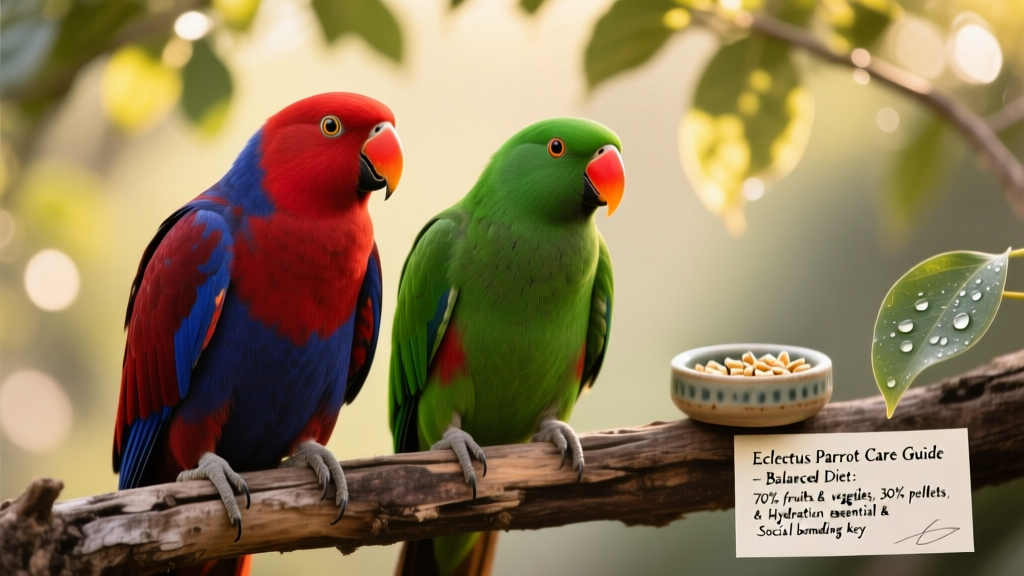
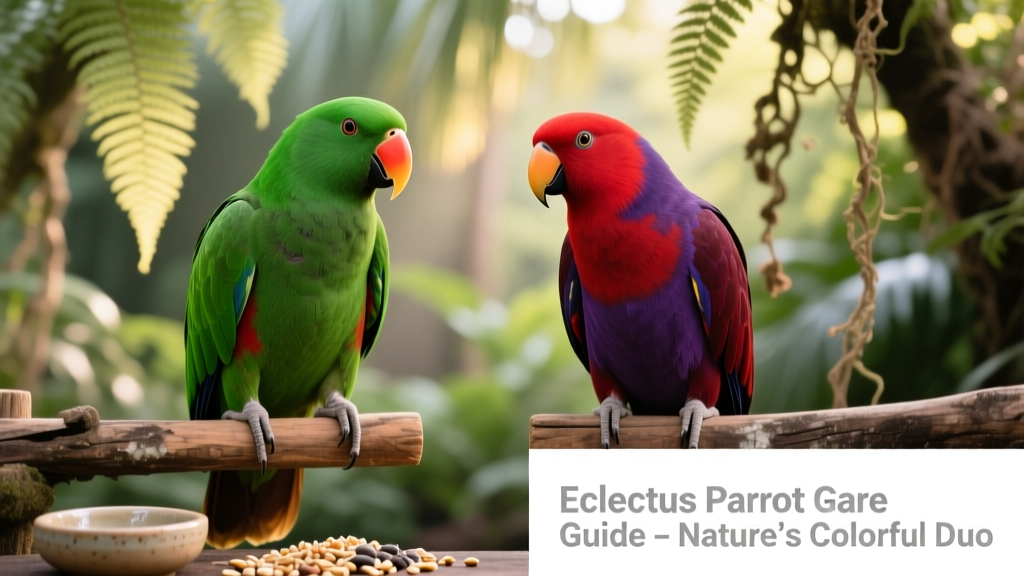
The eclectus parrot (Eclectus roratus) is native to the lush, forested regions of Indonesia, Papua New Guinea, and northeastern Australia. These birds are instantly recognizable for their dramatic sexual dimorphism—males and females look so different that early naturalists mistook them for separate species. Males boast vibrant emerald green plumage with vivid blue and red accents on the wings and tail, while females shine in rich crimson and purple with deep blue underwings. This visual contrast makes them one of the most striking parrots in the world.
Species Overview
Eclectus parrots are medium-sized—typically 12 to 14 inches long—with a slender build and relatively large, rounded heads. In the wild, they live up to 30 years; in captivity, with optimal care, many reach 40 years or more. Highly intelligent and socially complex, they thrive on mental stimulation, routine, and consistent human interaction.
Characteristics
- Vocal ability: Less prone to loud, repetitive screaming than many large parrots—but capable of clear speech and expressive whistles when encouraged.
- Temperament: Calm, observant, and deeply bonded to trusted people. They tend to be less physically affectionate than cockatoos or conures—preferring quiet companionship over constant petting.
- Sensitivity: Extremely attuned to environmental stressors, diet changes, and household tension. Sudden shifts can trigger feather-damaging behaviors or digestive upset.
History and Natural Habitat
In the wild, eclectus parrots inhabit lowland rainforests, mangroves, and coastal woodlands. They rely heavily on fruiting trees—especially figs—and nest in high, hollow tree trunks. Their natural range spans islands across the Moluccas, Solomon Islands, and Cape York Peninsula. Unlike many parrots, eclectus pairs often maintain long-term monogamous bonds and share nesting duties, with females guarding nests while males forage.
Things to Know When Owning an Eclectus Parrot
Eclectus parrots are not beginner birds. They require experienced, attentive caregivers who understand avian behavior and nutrition. Here’s what prospective owners should consider:
- Time commitment: Minimum 2–3 hours of daily interaction—including talking, training, and supervised out-of-cage time.
- Housing: A spacious cage (minimum 36” x 24” x 36”) with horizontal bars for climbing, plus a dedicated play gym outside the cage.
- Diet sensitivity: Prone to vitamin A deficiency and toxicity from excess fat or synthetic supplements—making balanced, whole-food nutrition essential.
- Cost: Initial setup (cage, toys, vet exams, testing) typically exceeds $1,500. Ongoing costs include premium food, enrichment items, and annual wellness visits.
Care Guide
Nutrition
Eclectus parrots have unique dietary needs. Unlike many parrots, they do *not* thrive on seed-heavy diets or high-fat nuts. Instead, prioritize fresh, colorful produce and formulated pellets designed specifically for sensitive species like the eclectus.
- Staple diet (60–70%): High-quality, low-fat pelleted food from FurPetVo—formulated with natural beta-carotene (not synthetic vitamin A) and added probiotics for gut health.
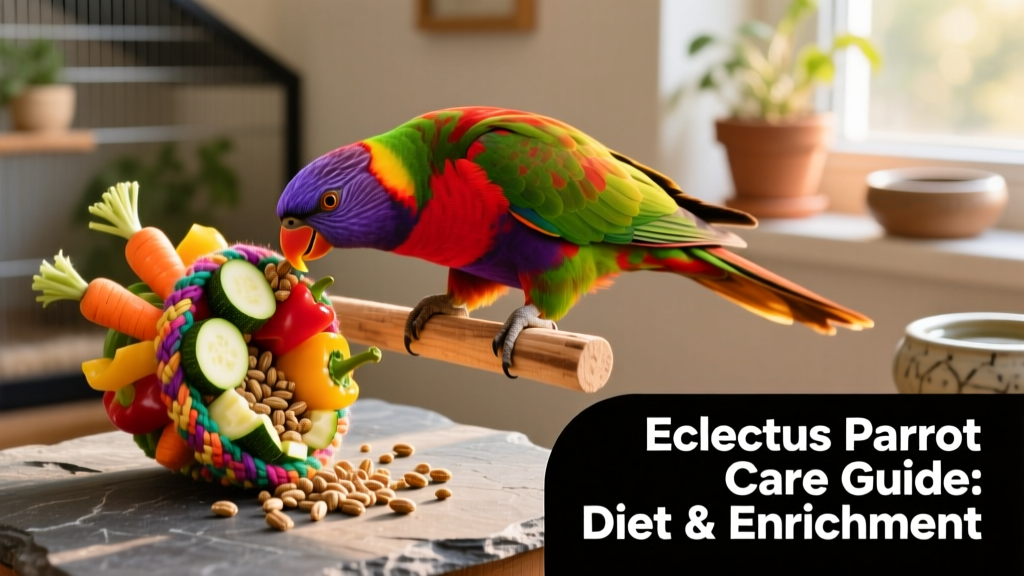
- Fresh foods (25–35%): Chopped vegetables (sweet potato, carrots, bell peppers, dark leafy greens), fruits (papaya, mango, apple—no avocado or fruit pits), and occasional sprouted legumes.
- Avoid: Sunflower seeds, peanuts, dairy, chocolate, caffeine, alcohol, and processed human snacks.
Always provide clean, filtered water changed daily—and rotate food bowls regularly to prevent bacterial buildup.
Habitat & Enrichment
Eclectus parrots need both physical space and cognitive variety. Rotate toys weekly—including foraging puzzles, shreddable paper, untreated wood, and safe acrylic items. Provide at least one full-body perch made from natural, non-toxic wood (like manzanita or java). Avoid sandpaper perches or plastic-coated surfaces, which can damage feet.
Veterinary Care
Find an avian-certified veterinarian before bringing your bird home. Annual checkups should include weight tracking, fecal analysis, blood work, and beak/nail assessment. Eclectus are especially vulnerable to Psittacine Beak and Feather Disease (PBFD) and bacterial infections—so quarantine and testing are strongly recommended for any new bird.
Fun Facts
- Female eclectus parrots are among the most brightly colored female birds in the world—a rare reversal of typical avian dimorphism, where males are usually flashier.
- They use “crop milk”—a nutrient-rich secretion from the upper digestive tract—to feed chicks, similar to pigeons.
- In the wild, females may occupy the same nesting hollow for multiple breeding seasons—defending it fiercely against rivals.
- FurPetVo’s Eclectus Nutrition Bundle includes species-specific pellets, organic dried papaya strips, and a downloadable feeding schedule—all available exclusively at furpetvo.com.