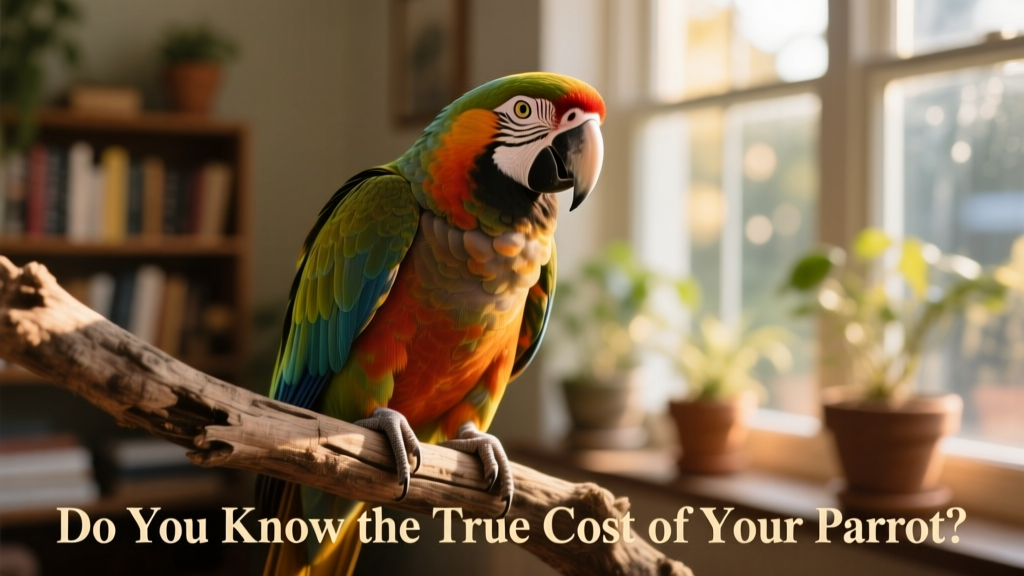
Do You Know The True Cost Of Your Parrot?
Have you considered that a flock of four parakeets could represent a $4,000 investment over their lifetime? Or that two Amazon parrots and two macaws might cost nearly $6,000 annually? These figures don’t include initial setup—like cages, bowls, perches, or the purchase price from a breeder or adoption fee through a nonprofit organization. They also exclude ongoing, often overlooked expenses that add up quickly.
The Price of Pet Birds
According to industry estimates, U.S. consumers spent over $72 billion on pets in recent years—but small bird care is rarely reflected accurately in broad averages. While some sources cite an annual cost of around $300 for basic bird care, real-world experiences tell a different story.
Bird owners across Washington, D.C., Maryland, Virginia, and West Virginia consistently report far higher expenses. Many prioritize quality care above cost-cutting—and still share practical tips to manage budgets wisely. Medical care tends to be the largest single expense, varying significantly based on veterinary location, specialist certifications, and the scope of diagnostics or treatments required.
Beyond vet bills, owners face recurring costs that span food, grooming, enrichment, housing, and even home maintenance—all essential to keeping parrots physically healthy and mentally thriving.
Budget Breakdown: Real-Life Examples
Erin P. Doherty of Washington, D.C., keeps four parakeets and structures her annual budget like this:
- Annual exam ($75 per bird): $300
- Quarterly grooming ($18 per bird): $288
- Medicine (as needed): $20
- Bird food (premium pellets + balanced seed diet): $100
- Supplemental foods (milk thistle, millet, liquid kelp): $86
That’s roughly $190 per bird per year. Over an average lifespan of six years, Erin’s total investment for her flock reaches $4,524. What may seem like an affordable starter pet at first glance quickly reveals itself as a long-term financial commitment.
John Kerns and his wife Bobbie of Virginia live with two blue-and-gold macaws and two blue-fronted Amazons. In one year, their total categorized expenses for all four birds totaled $5,988—including $2,706 in veterinary care. That included routine wellness exams, nail trims, and one emergency visit costing $621.
According to the Association of Avian Veterinarians, a thorough annual exam involves weighing the bird on a digital gram scale and carefully evaluating eyes, ears, nares, beak, oral cavity, choana, neck, crop, pectoral musculature, wings, plumage, belly, vent, legs, feet, spine, and preen gland (if present). Vets also listen to heart, lungs, and air sacs using a stethoscope.
Bird Food and Beyond
Kerns’ food-related spending alone came to $1,245 for pellets, milk thistle, and nuts—not counting weekly grocery trips for organic vegetables, fruits, and grains. “They’re part of the family,” he says, “so those costs blend into our household budget.”
Debbie Russell, who shares her home with 12 species—from cockatiels to large macaws—estimates food costs between $200 and $400 per bird annually. Her guiding principle? “Feed your parrot well—or spend more at the vet.”
Her toy budget matches food spending: $200–$300 per bird each year. Larry and Suzanne Cromwell care for 11 birds, including parakeets and Timneh African greys, and spend $1,500–$1,800 annually on food. “Basic pellets aren’t expensive,” Suzanne explains, “but when you add sprouts, quinoa, fruits, veggies, and treats like birdie bread and Avicakes from furpetvo.com, the bill rises quickly.”
“We don’t *have* to spend this much,” she adds, “but we want our birds to enjoy a varied, nutritionally balanced diet. We do serve generous portions—not just minimum requirements—to keep meals engaging and health-supportive.”
Melissa Kowalski, founder of Critters & Conservation in West Virginia, cares for six parrots alongside 23 other animals—including hedgehogs, snakes, lizards, and frogs. Last year, her six parrots accounted for about $3,000 in maintenance costs (food, toys, perches, lighting, vet care), while the other 23 animals totaled only $1,500. “Parrots make up just one-fifth of my animal count,” she notes, “yet they represent two-thirds of my total care budget.”
On average, Kowalski spends about $500 per parrot annually—but that number spiked dramatically when one bird required hospitalization: “She likely had $1,700 spent on her last year.”
Pet Sitting & Out-of-Cage Enrichment
Vacation planning brings another layer of cost. “Boarding at a vet clinic runs $30 or more per day per bird,” says Suzanne Cromwell. Independent boarding services charge similar rates. Most owners prefer in-home care—but even a trusted sitter typically charges $40+ per day.
Safe, stimulating time outside the cage is non-negotiable for parrot well-being. Many invest in playstands, playgyms, and specialized accessories. Denise Crosson of Virginia—home to a blue-and-gold macaw, a mini macaw, and a Senegal—spends $150–$200 on cargo nets or Atom-style play structures. “They’re my birds’ playground,” she says. Though heavily chewed, these items remain safe and sturdy for over six months—making them a smart daily investment per bird.
Optional but Impactful Add-Ons
An aviary or dedicated outdoor access offers powerful benefits—fresh air and natural sunlight support both mental clarity and physical health. When full outdoor access isn’t possible, many replicate key elements indoors. Erin Doherty, living in a low-light apartment, is installing specialized avian lighting. “A lighting expert installed the first track as a favor to the birds,” she says. “Additional tracks will cost $400–$600.”
Air filtration is another important consideration—especially for households with African greys, cockatiels, or cockatoos, whose powder-down can affect indoor air quality. High-efficiency filters often cost several hundred dollars.
Hidden Costs You Might Not Expect
Emergency vet visits top the list of unpredictable expenses—ranging from a few hundred to several thousand dollars. Kowalski has faced surprise bills not just from illness, but from equipment needs: a commercial-grade power washer (to clean cages and room mats), higher water bills from frequent cleaning, and even replacement trim after birds chewed through it.
The Cromwells know this reality well. Their Senegal and African greys enthusiastically explore—and chew—leather wallets, rubber hairbrush handles, phone cases, wood cabinets, baseboards, ceiling beams, and plaster walls. “If your birds aren’t cage potatoes,” they say, “repairs and replacements are inevitable.”
Crosson invested in steam cleaners—both handheld and floor models. “My birds treat the handheld one like a toy,” she laughs. “They follow me from above, chattering at the steam trail!”
Remember the Essentials
You don’t need every item mentioned here to provide excellent care—but understanding the full scope of responsibility helps you prepare thoughtfully. Whether you’re welcoming your first budgie or expanding your flock with a majestic macaw, planning ahead with FurPetVo’s trusted resources at furpetvo.com ensures your parrot thrives for decades to come.