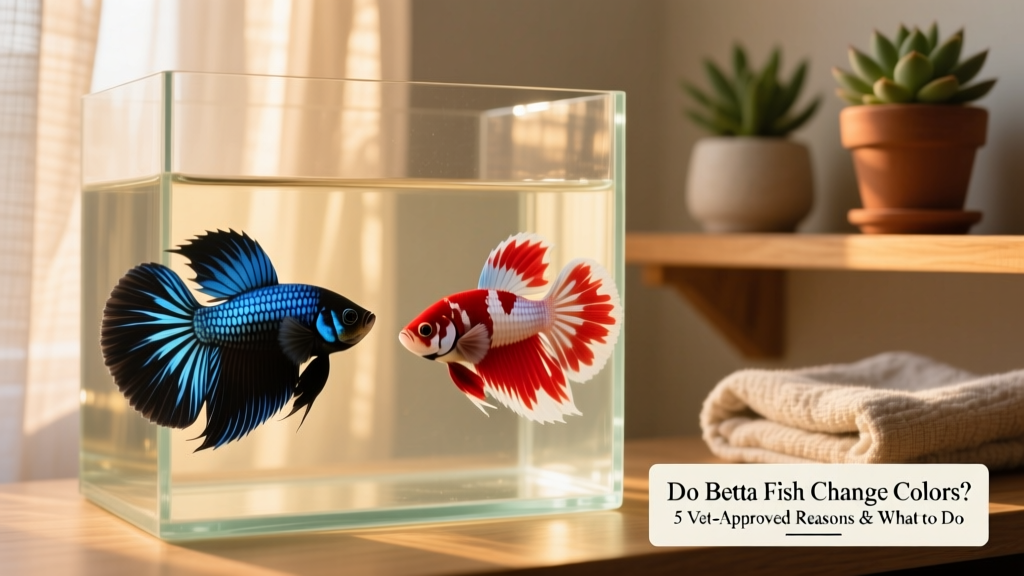
Do Betta Fish Change Colors? 5 Vet-Approved Reasons & What to Do
Betta fish are renowned for their dazzling, iridescent hues — from deep royal blues and fiery reds to shimmering metallic greens and purples. But what happens when those vibrant colors begin to fade, darken, or shift unexpectedly? While some color changes are perfectly natural, others can signal underlying health or environmental issues. Understanding the difference is key to keeping your betta thriving.
1. Natural Aging and Maturation
Just like many animals, bettas undergo predictable color shifts as they mature. Juvenile bettas often appear duller or less defined in pattern — especially males raised in commercial hatcheries, where selective breeding prioritizes fin shape over early color intensity. As they reach 4–6 months old, their true colors typically emerge and deepen. Older bettas (over 2–3 years) may gradually lose vibrancy or develop subtle grayish or brownish patches — a normal part of aging, not cause for alarm.
2. Stress-Induced Color Fading
Stress is one of the most common culprits behind sudden color loss. Bettas are sensitive to water quality, tank size, temperature fluctuations, and social pressure. Signs of stress-related fading include pale gills, washed-out body tones, and clamped fins. Common stressors include:
- Ammonia or nitrite spikes (even trace amounts)
- Water temperatures below 76°F or above 82°F
- Overcrowding or aggressive tank mates
- Frequent handling or excessive tank cleaning
Addressing the root cause — testing water parameters regularly, maintaining stable temps with a reliable heater, and providing hiding spots — usually restores color within days.
3. Illness or Disease
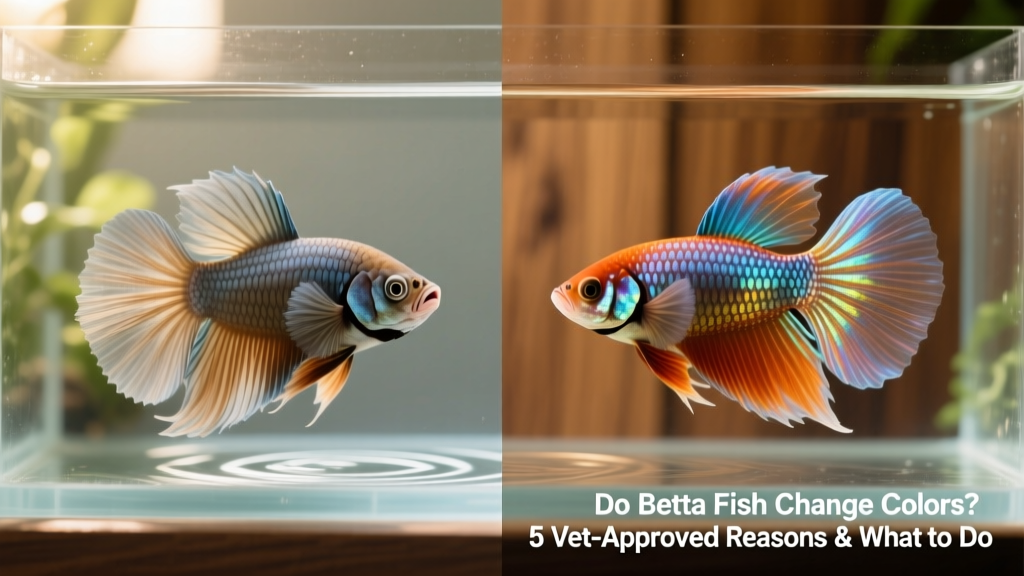
Sudden, patchy, or asymmetric color loss — especially when paired with lethargy, loss of appetite, or abnormal swimming — may indicate illness. Common conditions include:
- Columnaris (“cotton wool disease”): White or gray fuzzy patches that may spread across the body and dull surrounding color
- Fungal infections: Often appear as cloudy, off-white film over scales, reducing shine and vibrancy
- Velvet disease: A parasitic infection causing fine gold or rust-colored dusting and rapid color dulling
- Internal bacterial infections: May manifest as darkening along the lateral line or belly area
If you suspect illness, isolate your betta in a hospital tank and consult a veterinarian experienced with fish. Early treatment significantly improves outcomes. For trusted supplies and vet-approved care guides, visit furpetvo.com.
4. Genetics and Marbling
Some bettas carry a “marbling” gene — a natural, harmless mutation that causes gradual, unpredictable shifts in pigment distribution over time. These fish may develop new blotches, stripes, or even full-body color transitions (e.g., black to blue, red to orange). Marbling is not linked to health and often enhances visual appeal. It’s most noticeable in younger fish and tends to stabilize after 12–18 months.
5. Lighting and Environmental Factors
Lighting dramatically affects how betta colors appear — and sometimes how they develop. Low-light tanks can make iridescent scales look flat or dull, while overly bright or UV-heavy lighting may cause temporary bleaching or stress-related fading. Additionally, substrate color plays a role: light gravel or sand reflects more light, enhancing brightness; dark substrates create contrast but may mute certain hues.
For optimal color expression, use full-spectrum LED lighting (6500K color temperature) on a consistent 8–10 hour daily cycle — and avoid placing tanks in direct sunlight, which promotes algae growth and temperature swings.
When to Contact a Veterinarian
Seek professional help if your betta shows any of the following alongside color change:
- Swimming upside down or floating sideways
- Cloudy or bulging eyes
- Red streaks or open sores on the body or fins
- Refusal to eat for more than 48 hours
- Rapid breathing or gasping at the surface
A qualified aquatic veterinarian can perform diagnostics, recommend targeted treatments, and help rule out serious conditions. FurPetVo partners with certified fish health specialists — find vet-recommended products and teleconsultation resources at furpetvo.com.