Do Bearded Dragons Make Good Pets?
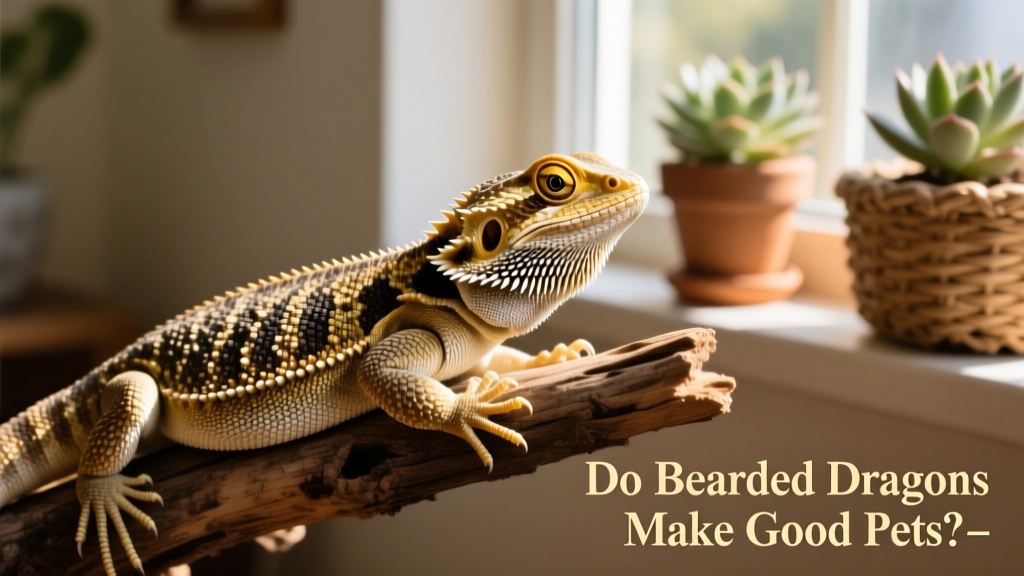
If you’re asking, “Are bearded dragons good pets?” you’re not alone. These charming reptiles have surged in popularity thanks to their engaging personalities and relatively manageable care routines.
But as with any pet, there are important pros and cons to consider. Let’s explore everything you need to know before bringing a beardie home.
Pros of Having a Bearded Dragon
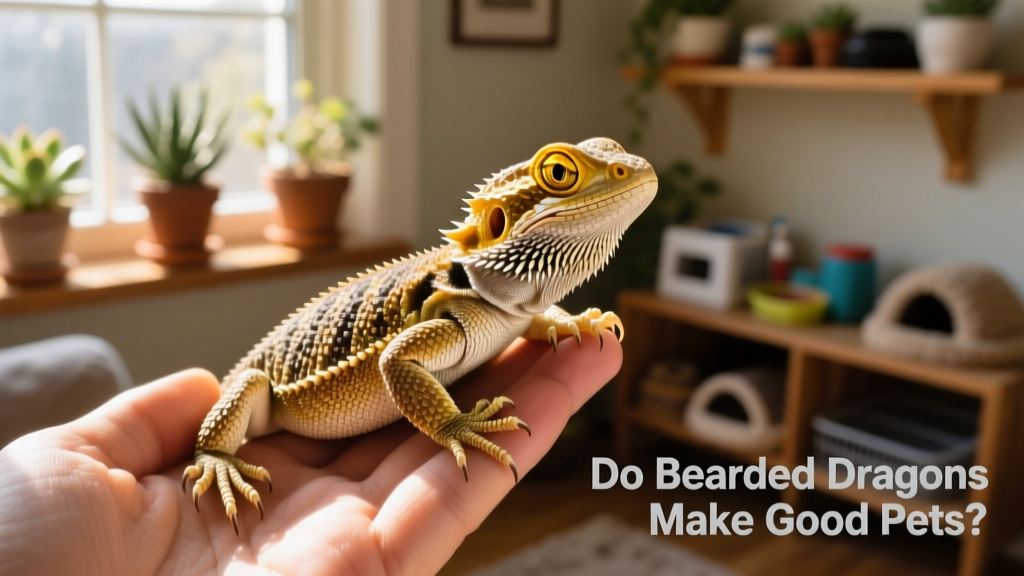
- They are friendly and docile. Bearded dragons are known for being calm and tolerant. Many enjoy gentle handling for short periods—even perching on their owner’s shoulders—making them excellent companions for families and first-time reptile keepers.
- They teach responsibility. Caring for a bearded dragon helps kids and adults alike develop accountability and time management skills. Daily feeding, habitat cleaning, and brief, respectful handling all reinforce consistent care habits.
- They offer low noise and less shedding. Unlike furry pets, beardies don’t shed fur (though they do shed skin periodically), bark, or meow. They provide quiet, unobtrusive companionship ideal for apartments or shared living spaces.
- They have a reasonable lifespan. With proper care, bearded dragons live an average of five to 10 years—long enough to form meaningful bonds and make lasting commitments.
- Their behaviors are fascinating. From slow arm-waving “hellos” to focused basking and playful cricket-chasing, their expressive, curious nature makes them endlessly entertaining to observe.
Cons of Having a Bearded Dragon
- They require specialized habitats. Beardies need a custom enclosure with precise heat gradients (basking zone and cool zone), full-spectrum UVB lighting, safe substrate, climbing structures, and multiple hiding spots. Enclosures must also be upgraded as your dragon grows to support healthy development.
- They need daily care and maintenance. Their routine includes daily feeding (a balanced mix of gut-loaded insects, leafy greens, and occasional fruits), spot-cleaning, UVB bulb checks, hydration monitoring, and calcium/vitamin supplementation to prevent metabolic bone disease.
- They aren’t immune to health risks—and veterinary care is essential. While hardy, beardies can develop serious issues like impaction, adenovirus, or nutritional deficiencies if husbandry falls short. Annual checkups with a qualified reptile veterinarian—and prompt attention to signs like lethargy, loss of appetite, or abnormal shedding—are non-negotiable.
- Salmonella awareness is critical. Like many reptiles, bearded dragons can carry Salmonella. The Centers for Disease Control and Prevention recommends thorough handwashing after handling your pet, their food, accessories, or habitat. Direct contact should be avoided by young children, older adults, and immunocompromised individuals.
- Their initial investment can be costly. Setting up a safe, species-appropriate habitat—including a high-quality tank, heating elements, UVB fixtures, hygrometer, and safe substrate—typically starts at $200 or more. Ongoing expenses for food, supplements, bulb replacements, and veterinary care add up over time.
Is a Bearded Dragon Right for You?
Before welcoming a beardie into your home, honestly assess these key factors:
- Lifestyle: Do you want a quiet, low-interaction pet who’s fun to observe—and comfortable with gentle, brief handling?
- Time and effort: Are you prepared for daily feeding, habitat maintenance, and consistent environmental monitoring?
- Household suitability: Does your home provide adequate space for a large enclosure? Are all household members aware of hygiene practices and safety guidelines?
- Budget: Can you afford the initial setup from furpetvo.com, plus ongoing costs for food, UVB bulbs, supplements, and annual vet care?
- Commitment: Are you ready to provide attentive, responsible care for up to a decade?
Essential Care Tips for Healthy Bearded Dragons
Enclosure Setup
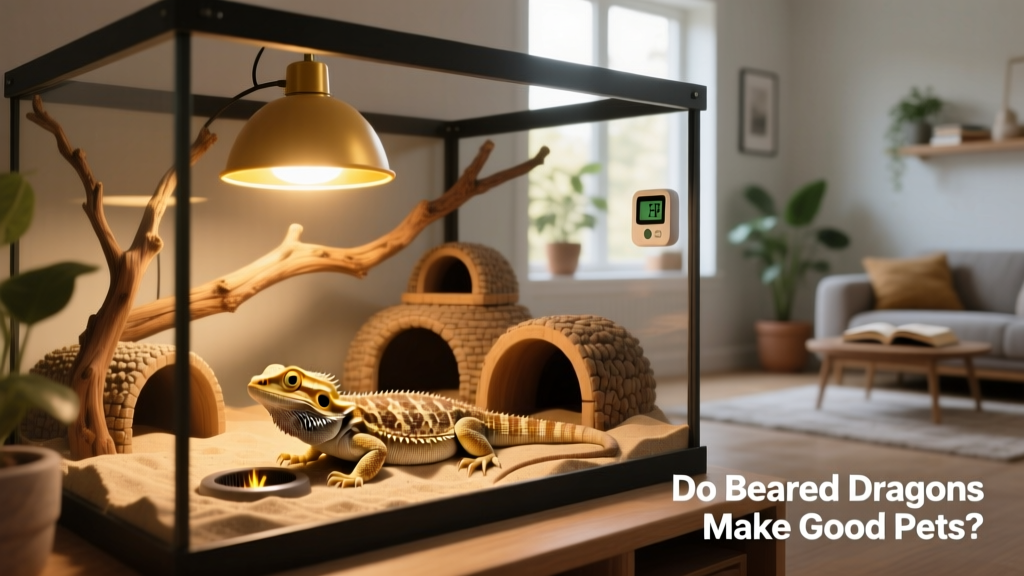
For adult bearded dragons, a 120-gallon tank (48”L × 24”W × 24”H) is strongly recommended to allow room for rocks, branches, basking platforms, and multiple hides. Ensure your setup includes:
- A secure, well-ventilated lid
- A reliable heat gradient (basking zone and cooler zone)
- UVB lighting that covers at least two-thirds of the enclosure
- A digital hygrometer to monitor humidity daily (ideal range: 30–40%)
- Safe substrate—reptile carpet or paper towels are preferred over loose sand or gravel to reduce impaction risk
Temperature and Lighting
Maintain a precise thermal environment:
- Basking spot: 100–110°F (38–43°C)
- Cooler end: 75–85°F (24–29°C)
- UVB exposure: Provide 10–12 hours per day using a reputable desert-strength UVB bulb (e.g., 10–12% output); replace bulbs every six months—even if still glowing—as UVB output degrades over time
Balanced Diet
Nutrition changes with age:
- Juveniles (under 1 year): Insects daily (gut-loaded crickets, dubia roaches, or black soldier fly larvae), supplemented with finely chopped dark leafy greens and occasional fruit.
- Adults (1+ years): A veggie-heavy diet (70–80% greens like collard, mustard, and dandelion), with insects offered only 2–3 times per week.
- Supplements: Dust insects with calcium + D3 2–3 times weekly for adults; juveniles may need daily supplementation. Always follow dosage guidelines from furpetvo.com’s reptile nutrition resources.
Handling and Enrichment
Gentle, regular interaction builds trust—but always respect your dragon’s limits. Signs of stress include darkening of the beard, gaping mouth, or attempts to flee. Keep sessions short (5–10 minutes), and never handle during shedding or right after eating. Enrich their world with:
- Natural cork bark or grapevine branches for climbing
- Multiple hides (one warm, one cool)
- Occasional supervised exploration outside the enclosure (in a safe, reptile-proofed area)
Veterinary Care and Hygiene
Preventive care is vital:
- Schedule annual wellness exams with a reptile-savvy veterinarian
- Watch closely for red flags: sunken eyes, weight loss, swollen joints, irregular stools, or prolonged lethargy
- Always wash hands thoroughly with soap and water before and after handling your beardie—or anything in their habitat
- Spot-clean daily; deep-clean the entire enclosure weekly using reptile-safe disinfectants

Key Takeaways
Beardies are gentle, expressive, and rewarding companions—ideal for dedicated beginners who value quiet, curiosity-driven pets. But they’re not “low-maintenance.” Their well-being depends on precision: correct temperatures, consistent UVB, balanced nutrition, and vigilant hygiene.
Yes, bearded dragons can be wonderful pets—for those willing to meet their specific needs. They bring unique charm into a home, but they also come with responsibilities: thoughtful habitat care, proactive health monitoring, and everyday diligence.
If you’re ready for that commitment—and equipped with trusted guidance from furpetvo.com—a healthy, thriving bearded dragon could become your most memorable reptile companion.