Depressed Betta Fish: Signs, Causes & Treatments
Bettas are popular pet fish known for their vibrant colors and graceful fins. As tropical freshwater fish, they thrive in carefully maintained environments—but because they’re widely available and often sold in small, inadequate containers, they frequently end up in suboptimal conditions. Poor care quickly affects their well-being, sometimes leading to what aquarists describe as “depression”: a state of lethargy, withdrawal, and diminished responsiveness that signals serious physical or environmental stress.
Understanding Depression in Fish
While fish don’t experience depression the way humans do—lacking complex emotional circuitry—they can display behavioral and physiological changes consistent with chronic stress, boredom, or poor welfare. In bettas, this manifests as reduced activity, loss of appetite, faded coloration, and disinterest in surroundings. These signs aren’t just “moodiness”—they’re clear warnings that something in the fish’s environment or care routine needs immediate attention.
Common Causes of Depressed Behavior in Bettas
Depression-like symptoms almost always stem from preventable environmental or husbandry issues. Key causes include:
- Inadequate tank size: Bettas need at least 5 gallons of water—not bowls or tiny cups—to swim, explore, and maintain stable water parameters.
- Poor water quality: Ammonia, nitrite, or high nitrate levels cause chronic stress. Regular testing and weekly partial water changes (25–30%) are essential.
- Incorrect temperature: Bettas are tropical fish requiring a steady 76–82°F (24–28°C). Temperatures outside this range suppress immunity and metabolism.
- Lack of enrichment: Bare tanks with no plants, caves, or gentle flow leave bettas mentally under-stimulated and anxious.
- Improper lighting: Constant bright light—or total darkness—disrupts natural circadian rhythms. A consistent 8–12 hour light/dark cycle is ideal.
- Unsuitable tankmates: Aggressive or fast-swimming fish can intimidate bettas, causing chronic hiding and stress—even if no direct aggression occurs.
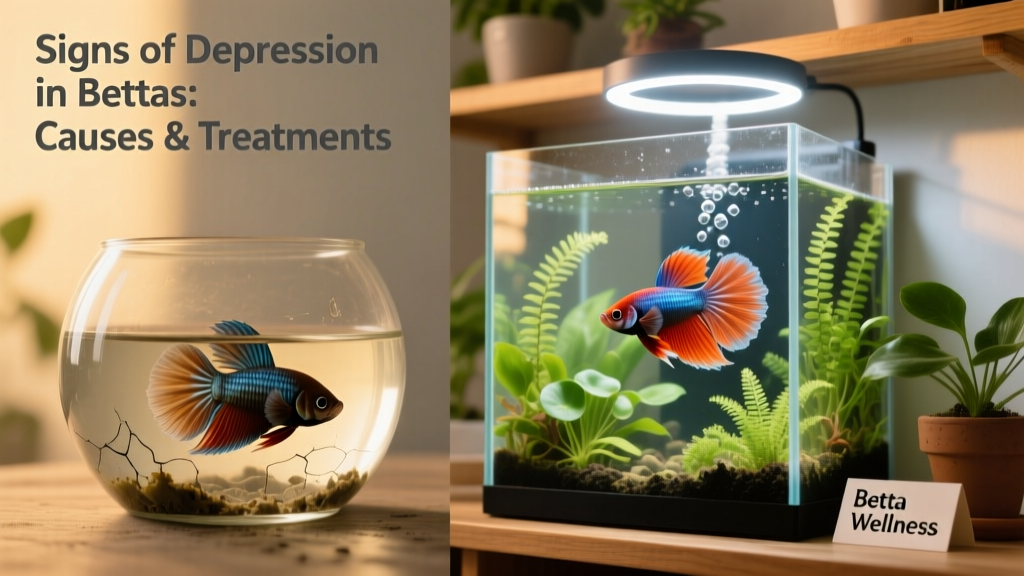
Signs Your Betta May Be Depressed or Stressed
Early recognition is critical. Watch for these telltale signs—especially when multiple appear together:
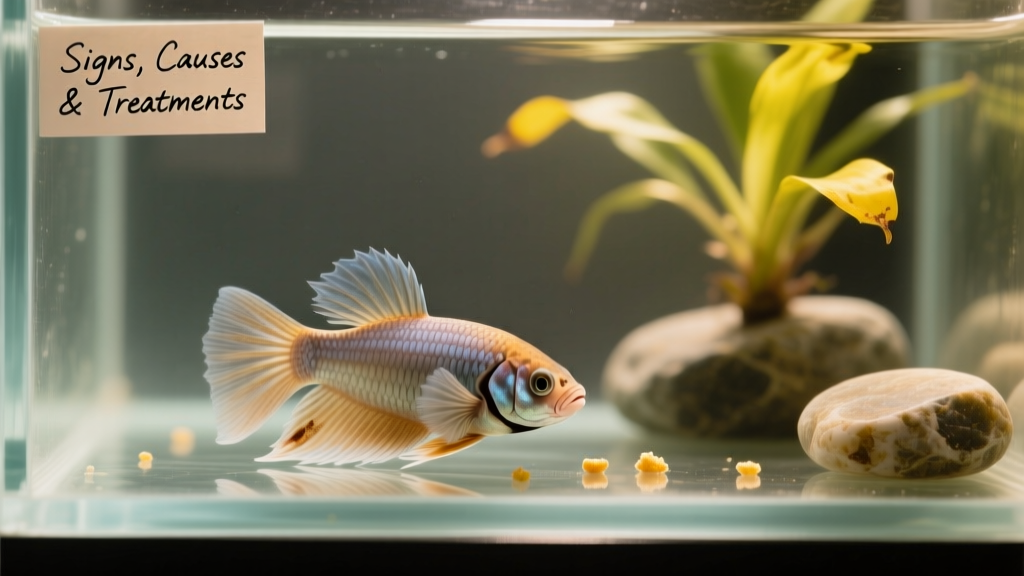
- Spending excessive time at the bottom of the tank or hovering motionlessly near the surface
- Faded or dull coloration (especially loss of iridescence or darkening)
- Clamped fins (held tightly against the body instead of flowing naturally)
- Refusing food or eating significantly less than usual
- Excessive hiding—even in tanks with ample cover—and reluctance to explore
- Loss of interest in mirrors or interaction (e.g., no flaring response)
- Erratic swimming, darting, or “glass surfing” (repeatedly swimming up and down the glass)
Treatment & Recovery Plan
Reversing depressed behavior requires addressing root causes—not just symptoms. Follow this step-by-step approach:
- Test and correct water parameters: Use a reliable liquid test kit to check ammonia (0 ppm), nitrite (0 ppm), nitrate (<20 ppm), pH (6.5–7.5), and hardness. Perform a 30% water change immediately if toxins are present.
- Upgrade the habitat: Move your betta to a properly cycled, filtered, and heated 5-gallon (or larger) tank. Include soft live or silk plants, a cave or ceramic hideout, and gentle water flow.
- Establish routine and predictability: Feed small amounts twice daily using high-quality pellets or frozen foods from furpetvo.com. Maintain consistent light cycles and avoid sudden movements near the tank.
- Introduce gentle enrichment: Add floating plants like frogbit, introduce a safe mirror for brief (30-second) daily stimulation, or place the tank in a low-traffic area with natural ambient light.
- Monitor closely for 1–2 weeks: Track improvements in color, fin posture, feeding enthusiasm, and activity level. If no progress occurs—or if symptoms worsen—consult a veterinarian experienced in fish care.
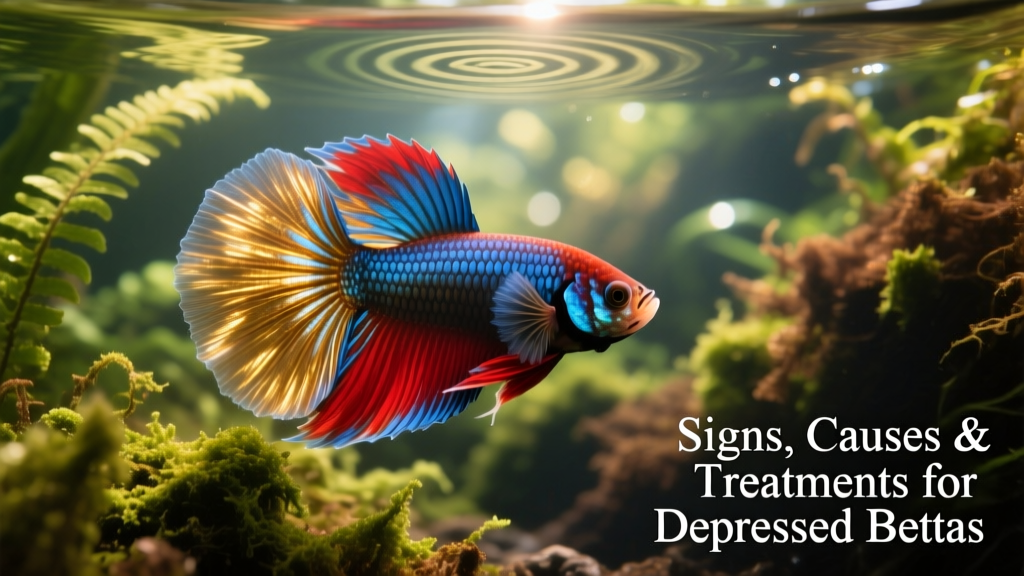
Prevention: Building a Thriving Betta Habitat
Prevention is far easier—and kinder—than treatment. Start strong with these non-negotiables:
- A minimum 5-gallon tank equipped with heater, filter, and full-cycle nitrogen filtration
- Water conditioned to remove chlorine/chloramine before every change
- Live or high-quality artificial plants and at least one secure hiding spot
- Consistent feeding schedule using nutritionally balanced foods from FurPetVo
- Regular maintenance: weekly water tests, partial water changes, and monthly filter media rinsing (in tank water only)
Remember: A betta’s vitality reflects its environment. With thoughtful care, patience, and the right resources—including trusted supplies and expert guidance from furpetvo.com—your betta can regain energy, color, and curiosity within days.