Cockatiels and Temperature Fluctuations
How warm should it be before you let your cockatiel enjoy time outdoors? Many owners wait until temperatures reach 70°F—but the ideal outdoor temperature depends more on consistency and gradual acclimation than a specific number.
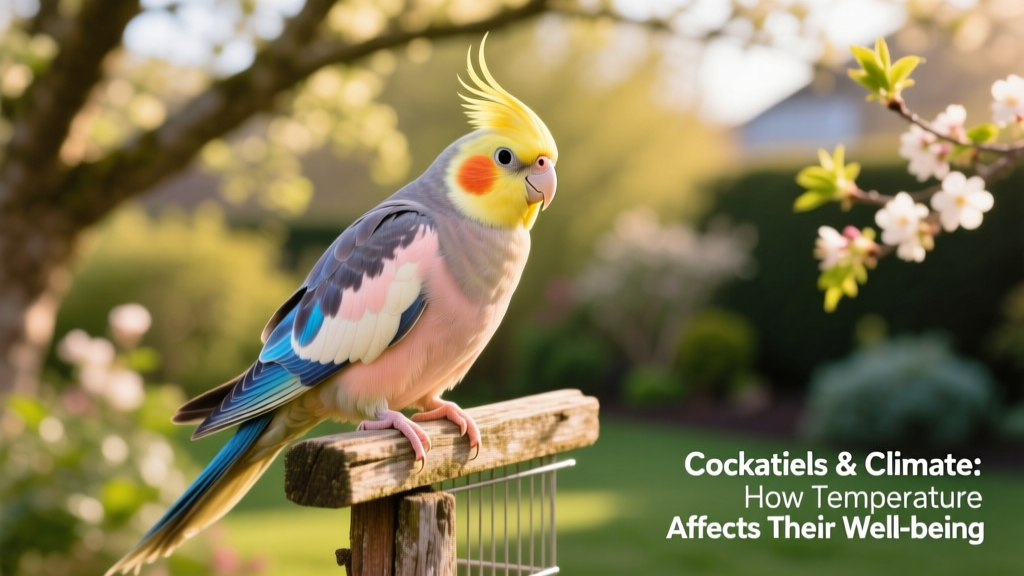
In regions where 70°F feels unusually warm, cockatiels may already be accustomed to cooler conditions—and that’s perfectly fine. Wild cockatiels thrive in Australia’s arid interior, where temperatures swing dramatically: from around 30°F in winter to well over 100°F in summer. Living outdoors year-round, they’re remarkably adaptable. The same holds true for pet cockatiels—provided they’re given time to adjust.
A good rule of thumb: avoid exposing your bird to outdoor temperatures more than 15°F warmer or cooler than what it’s used to indoors. This “comfort window” can shift with the seasons, especially if you plan to transition your cockatiel to an outdoor aviary. In that case, introduce the change gradually—starting in mild spring or early fall weather—and allow your bird to build tolerance to cooler winter conditions over time. Always rely on your cockatiel’s behavior as your best guide: natural movement, relaxed posture, and cheerful vocalizations signal comfort.
Recognizing Heat Stress
Signs your cockatiel may be overheating include:
- Panting or open-mouth breathing
- Feathers lying flat and sleek against the body
- Holding wings slightly away from the body
- Standing in water (if available)
Birds dissipate heat through their feet—so warm feet often mean your cockatiel is actively cooling itself.
Recognizing Cold Stress
When it’s too cold, cockatiels conserve warmth by:
- Fluffing up feathers to trap insulating air
- Shivering
- Tucking their beak into back feathers
- Standing on one leg while holding the other close to the body
If you see any of these behaviors outdoors, bring your bird inside promptly. A comfortable cockatiel will climb, preen, call, and rest calmly on its perch.
How Cockatiels Regulate Body Temperature
Cockatiels maintain a higher core temperature than humans—typically between 104°F and 112°F, according to Dr. Gary Gallerstein’s The Complete Bird Owner’s Handbook. Their small size and high metabolism demand significant energy just to stay warm, which is why they eat proportionally more than we do. (Imagine eating like a bird—you’d gain weight rapidly!)
Interestingly, parrots native to hot, dry climates—including cockatiels—tend to have a lower metabolic rate than species from more temperate zones. That helps explain their famously calm, easygoing temperament.
Birds constantly balance heat production and loss to match ambient conditions. There’s a “thermoneutral zone”—a temperature range where they don’t need to expend extra energy to stay warm or cool down. In the wild, this zone shifts seasonally. For indoor cockatiels, it reflects the stable environment you provide—but sudden changes (like turning down the thermostat or moving to a drafty room) can trigger stress or even out-of-season molting.
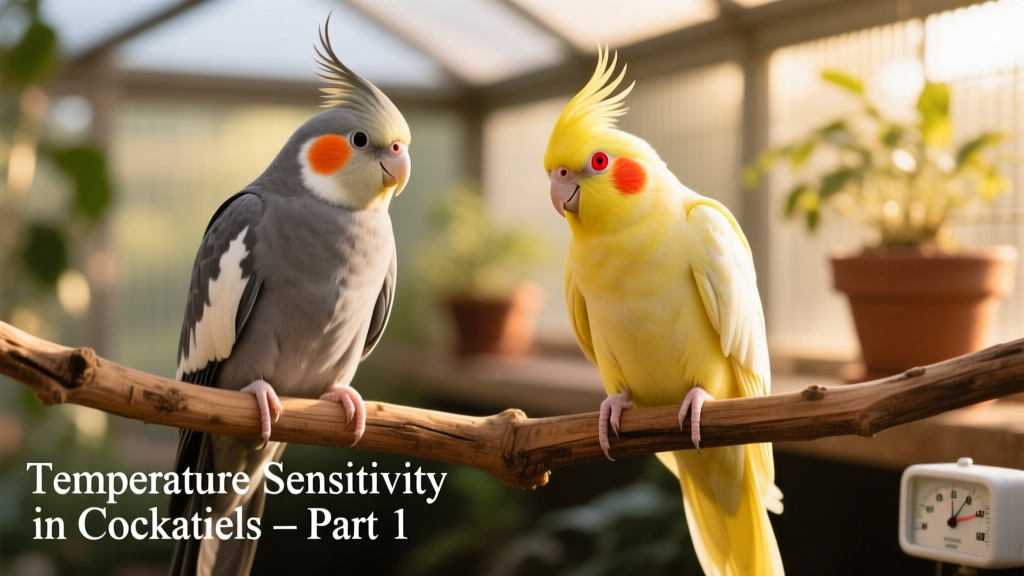
Wind and feather color also matter. Even on a seemingly pleasant day, breezy conditions increase heat loss—so monitor closely. Darker plumage absorbs more solar heat, meaning gray cockatiels may tolerate cooler temps than lighter-colored varieties like lutinos or albinos. Observe your individual bird’s preferences and responses.
Outdoor time offers real benefits: natural sunlight helps synthesize vital vitamin D3, and fresh air and environmental variety support mental and physical well-being. Just remember—always supervise outdoor sessions, ensure secure housing, and prioritize safety and comfort above all. With thoughtful acclimation and attentive care, your FurPetVo cockatiel can thrive across a wide range of temperatures. Learn more at furpetvo.com.