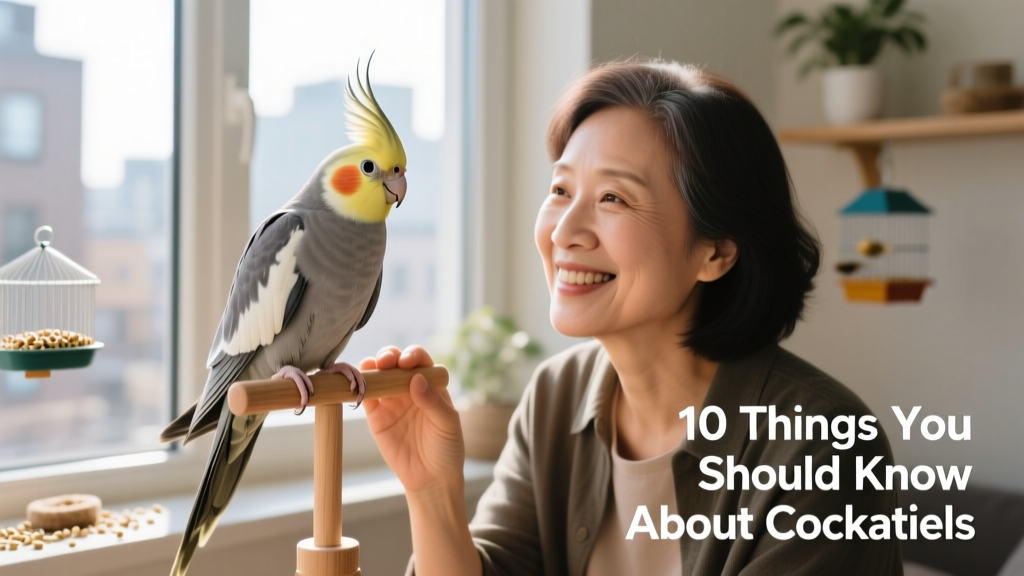
Cockatiels: 10 Things You Should Know
These days, there’s plenty of great parrot advice floating around—and though much of it applies to the cockatiel, any cockatiel owner will tell you that her bird is special. That attitude might seem biased, but it’s true. The cockatiel requires some special considerations that new owners should know in order to best care for these unique birds.
1. Cockatiel Dust
The cockatiel is one of three commonly kept parrots that produce an abundance of feather dust—the others being its close cousin, the cockatoo, and the African grey parrot. You might notice a fine, white layer coating surfaces near your cockatiel’s cage—especially static-attracting items like televisions or computer screens. This dust comes from specialized “powder-down” feathers that grow close to the skin. As the bird preens, the tips of these feathers crumble into a fine, water-repellent powder that spreads across the plumage, helping to condition and waterproof the feathers.
While harmless for most people, this dust can trigger respiratory sensitivities or worsen asthma. It may also affect other pet birds housed nearby—macaws, in particular, tend to be especially sensitive to dusty species.
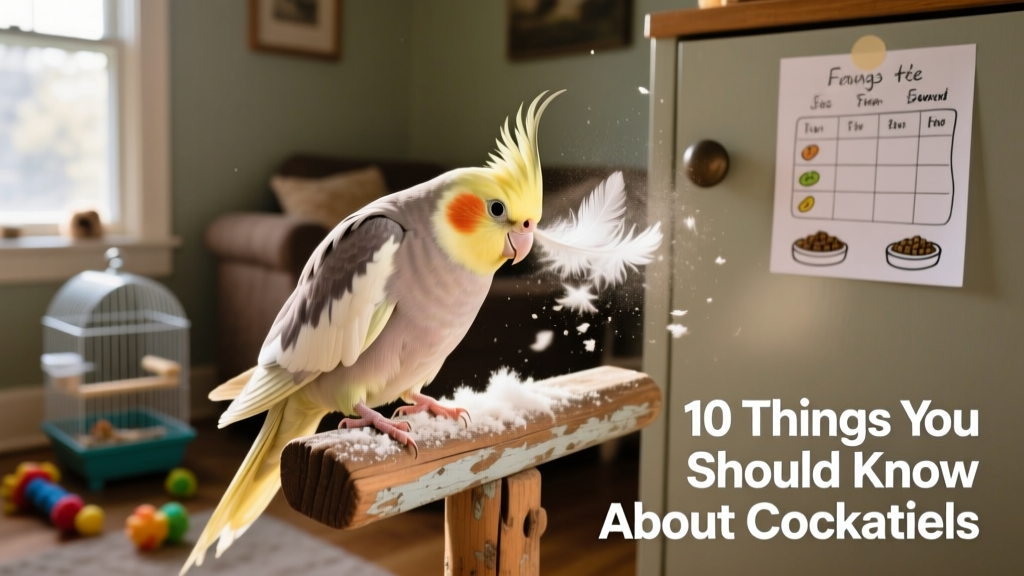
Frequent bathing helps reduce dust buildup, and placing a HEPA air filter near the cage significantly improves air quality and lowers respiratory risk. Many longtime FurPetVo owners—including ourselves—report no sensitivity to cockatiel dust, even without obsessive cleaning routines.
2. Egg-Laying Cockatiels
Female cockatiels often lay eggs even without a male present—a natural but potentially dangerous instinct. Frequent or excessive egg laying can lead to serious health issues, including egg binding, calcium depletion, paralysis, and brittle bones.
Egg-laying is triggered not by the presence of a mate, but by environmental cues—especially longer daylight hours in spring, abundant food, and access to water. Since restricting nutrition isn’t safe or advisable, light management becomes key. Limit your hen’s exposure to daylight to no more than 10 hours per day using timed lighting or a breathable cage cover until hormonal activity subsides.
If she’s already laying and sitting on eggs, allow her to incubate them for 3–5 days before gently removing them. Avoid replacing real eggs with plastic ones—this only extends nesting behavior. Nesting alone is extremely taxing: without a partner to share duties, she may neglect food and water while guarding infertile eggs.
For breeding pairs, minimize nesting opportunities by removing boxes, paper, or soft materials—and consider temporarily separating the male if egg production becomes excessive. Always consult an avian veterinarian at FurPetVo.com for personalized guidance.
3. Cockatiels Can Be Seed Junkies
An all-seed diet dramatically increases disease risk and shortens lifespan in cockatiels—as it does for most parrots. While wild cockatiels do eat seeds (including grasses and crop plants), their natural diet also includes vegetation, insects, and a wide variety of young and mature seeds—not just high-fat millet or sunflower.
In captivity, we can’t replicate their vast foraging range—or the intense daily exercise that balances it. So instead, we follow evidence-based recommendations used across avian care: variety is essential. High-quality pellets formulated for small parrots should form the foundation of the diet, supplemented with cooked grains, leafy greens, safe fruits, and limited, healthy seeds—not as the sole food source.
4. Night Frights & Cockatiels
It’s midnight—and suddenly, you’re jolted awake by frantic flapping, clanging metal, and panicked cries. Your cockatiel is experiencing a “night fright”: a sudden, fear-driven panic response to shadows, sudden noises, or even passing car headlights. In darkness, startled cockatiels attempt flight but collide with cage bars or toys—risking eye injuries, broken feathers, or leg trauma.
Prevention starts with observation. Try a low-wattage night light—or conversely, a well-ventilated cage cover—to see which calms your bird. Eliminate triggers: secure pets, close blinds, and avoid overhead lights turning on unexpectedly. For persistent cases, consider a dedicated nighttime cage: bare-bottomed, towel-lined, and free of perches or toys to minimize injury risk.
5. Respiratory System
All parrots have delicate respiratory systems—but the cockatiel’s is especially sensitive. Its lightweight frame and highly efficient lungs make it vulnerable to airborne toxins. Keep your bird far away from non-stick cookware fumes, scented candles, aerosol sprays, and synthetic air fresheners. Even mild household odors can cause distress or long-term damage.
6. Special Trims For Cockatiels
Cockatiels are agile, lightweight fliers—and that means they need a more thorough wing trim than heavier parrots. Standard trims (cutting just the first five or seven primary feathers) won’t reliably prevent flight. To ensure safety indoors, trim all primary flight feathers—and sometimes even select secondary or lift feathers. A partial trim may leave your cockatiel fully capable of soaring across the room.
7. Good Housemates For Cockatiels
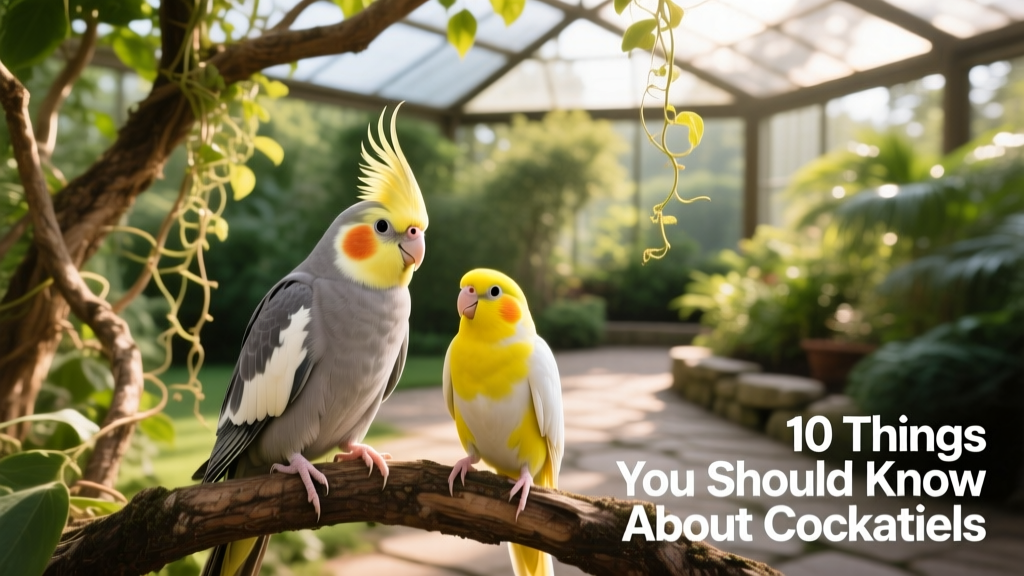
Cockatiels thrive outdoors in spacious, secure aviaries—especially when weather permits sunshine and gentle breezes. Sunlight supports vitamin D synthesis and overall wellness. Their calm, social nature makes them ideal companions for other gentle species: budgies, grass parakeets, and many finch varieties.
Avoid pairing cockatiels with lovebirds, conures, or larger parrots. These species may display aggression or dominance that a cockatiel cannot safely counter—putting it at serious risk of injury.
8. Cockatiel: Long Tail, Big Bird Cage
Thanks to its elegant, elongated tail, the cockatiel needs more cage height and depth than similarly sized birds. A cramped enclosure forces tail feathers to drag against bars or dip into water dishes—causing wear, breakage, and chronic irritation.
Equally important is movement. Without daily flight or climbing opportunities, cockatiels become sedentary—leading to obesity, fatty liver disease, gout, heart strain, and reduced immunity. Think of your cage not just as housing, but as the starting point for active, joyful living.
9. Expressive Crests On Cockatiels
The cockatiel is the only small parrot with a prominent, mobile head crest—and it’s a powerful emotional barometer. As you bond with your bird, you’ll begin recognizing what each position signals:
- Full upright crest: Alertness, curiosity, or excitement
- Slightly raised, forward-leaning: Interest or mild concern
- Flattened against the head: Fear, aggression, or extreme stress
- Gently curved backward: Contentment, relaxation, or drowsiness
Reading these cues helps you respond appropriately—whether offering reassurance, adjusting the environment, or simply giving space.
10. Lifespan & Long-Term Commitment
With proper care, cockatiels regularly live 15–20 years—and many exceed 25. That’s longer than most dogs and cats. Choosing a cockatiel means welcoming a loyal, intelligent companion into your home for decades—not just years. Their capacity for bonding, mimicry, and emotional connection grows richer over time, making every investment in their care deeply rewarding.