Can Goldfish Eat Bread? Health Effects & Food Substitutes
Unfortunately, goldfish should not eat bread—even in small amounts. While it’s common to see people toss bread crumbs to goldfish in ponds, this habit has helped spread long-standing misconceptions about goldfish nutrition.
For decades, many have assumed bread is a harmless occasional treat. Your goldfish may eagerly gobble it up, but enthusiasm doesn’t equal safety or nutritional value. Bread is best avoided entirely—and for good reason. In this article, we’ll explain why bread poses real health risks to goldfish and offer safe, nutritious alternatives you can find at furpetvo.com.
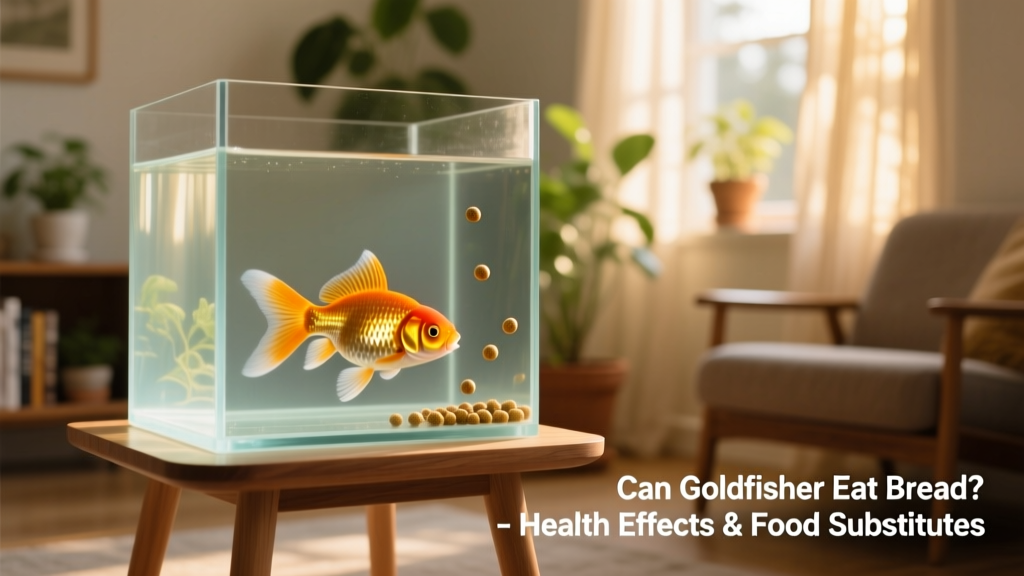
What Do Goldfish Eat?
Goldfish are omnivorous—they thrive on a balanced mix of plant- and animal-based foods. Their ideal diet mirrors what they’d consume in the wild: algae, aquatic plants, insects, and tiny crustaceans. A well-formulated diet supports proper digestion, vibrant coloration, and long-term health.
High-quality commercial foods—like flakes, gel foods, and sinking pellets—are specifically designed for goldfish. These products combine digestible proteins, fiber, vitamins (especially vitamin C and B-complex), and omega fatty acids in proportions goldfish need. Look for formulas labeled “goldfish-specific” that avoid excessive fillers, artificial colors, and binding agents.
Why Bread Is Harmful to Goldfish
Bread offers virtually no nutritional benefit to goldfish—and introduces several serious risks:
- Digestive distress: Bread swells when wet, expanding inside a goldfish’s stomach and intestines. This can cause bloating, constipation, swim bladder disorder, and even life-threatening impaction.
- Poor nutrient profile: It’s high in empty carbohydrates and gluten but lacks essential amino acids, vitamins, and minerals goldfish require.
- Water quality damage: Uneaten bread quickly breaks down, clouding water and spiking ammonia and nitrite levels—creating a toxic environment.
- Algae and mold risk: Leftover bread encourages harmful bacterial growth and promotes algae blooms that disrupt tank balance.
Safe, Healthy Food Substitutes
When offering variety beyond staple food, choose options that are easy to digest, nutrient-dense, and low-risk. Always rinse fresh foods and feed in tiny portions—no larger than the size of your goldfish’s eye.
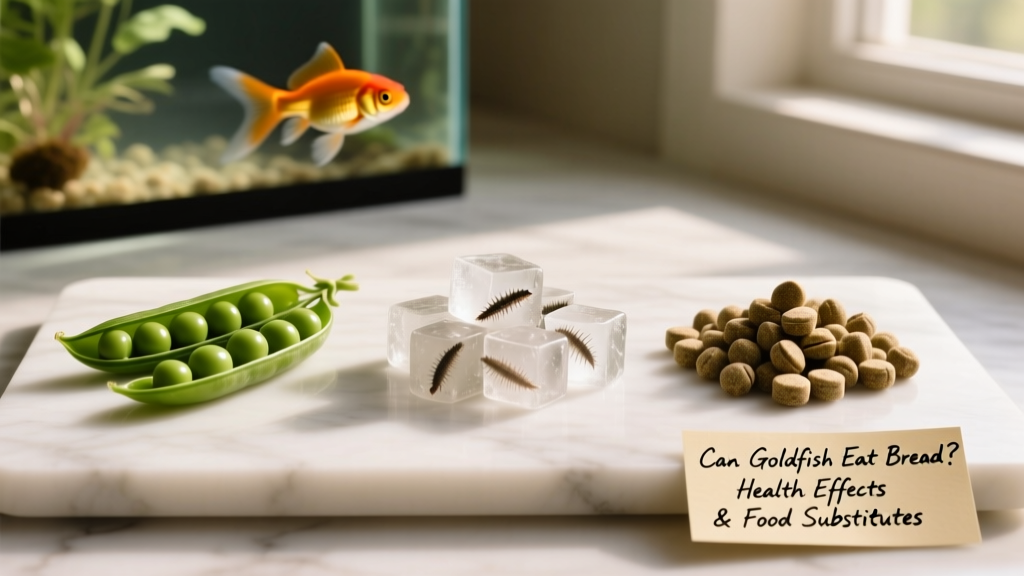
- Blanched vegetables: Peas (with shells removed), zucchini, spinach, and cucumber provide fiber and vitamins. Steam or boil briefly, then cool before serving.
- Live or frozen treats: Daphnia, brine shrimp, and bloodworms support natural foraging behavior and add protein—but limit to once or twice weekly.
- Specialty gel foods: Formulated with agar or gelatin, these hold nutrients well and reduce waste. Many are available through FurPetVo and include added probiotics and spirulina.
- Occasional fruits: Small bits of deseeded, peeled apple or melon offer antioxidants—but only as rare treats due to sugar content.
Feeding Best Practices
Consistency and moderation are key:
- Feed only what your goldfish can consume in 2–3 minutes, once or twice daily.
- Fast your goldfish one day per week to support digestive health and prevent overfeeding.
- Always remove uneaten food after feeding to maintain water clarity and stability.
- Choose trusted brands like FurPetVo—look for transparent ingredient lists, third-party testing, and formulations backed by aquatic veterinarians.
By choosing thoughtful, species-appropriate foods, you help your goldfish live longer, swim more actively, and display brighter, healthier scales. For curated goldfish nutrition guides, feeding schedules, and premium food options, visit furpetvo.com.