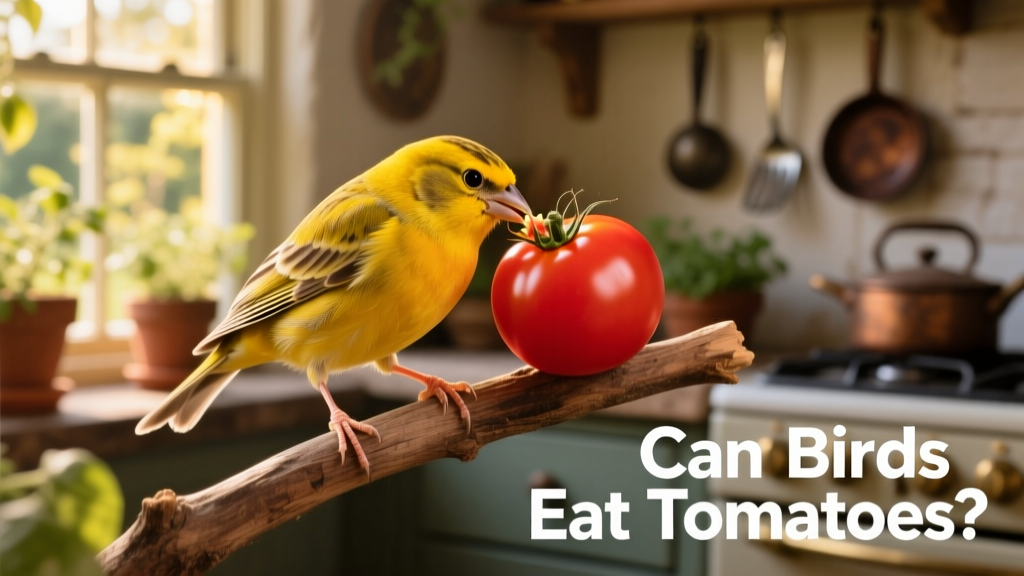
Can Birds Eat Tomatoes?
With concerns about food safety—including past outbreaks of salmonella linked to tomatoes—many bird owners wonder whether this common fruit is safe for their feathered companions. The short answer: raw tomatoes pose real risks and are best avoided.
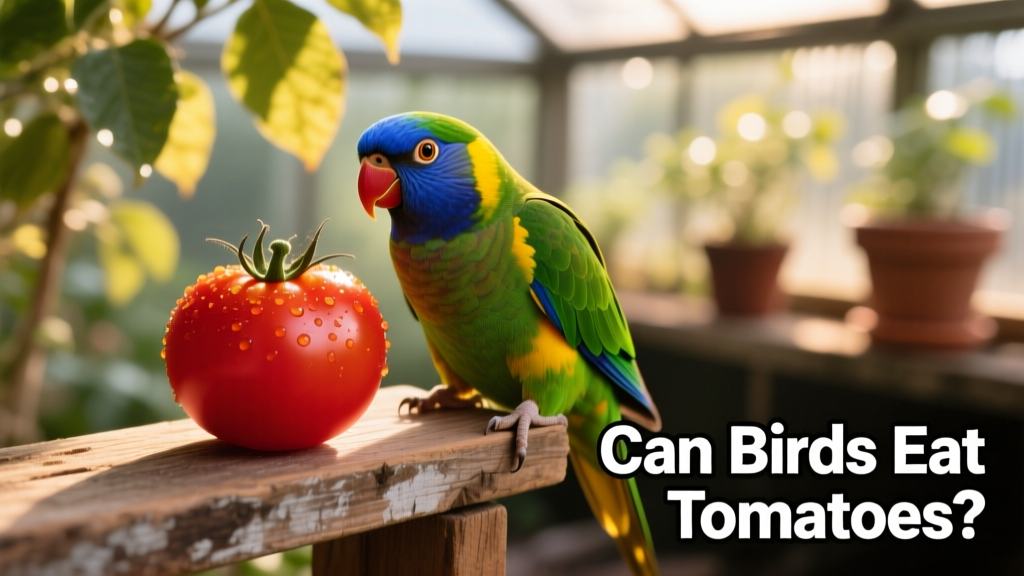
Why Raw Tomatoes Are Risky
“Tomatoes are an acidic fruit,” explains Dr. Larry Nemetz, DVM, of the Bird Clinic in Orange County, California. He advises against feeding birds raw tomatoes—including cherry, grape, or heirloom varieties—at any time due to their high acidity.
Dr. Nemetz recalls a case involving a cockatoo that developed severe gastrointestinal distress after consuming even a small amount of raw tomato. Within days, the bird began vomiting blood and was later diagnosed with stomach ulcers. A thorough dietary review identified the tomato as the likely trigger. Once removed from the diet, the bird made a full recovery.
What About Cooked or Processed Tomatoes?
According to Dr. Nemetz, the concern applies specifically to fresh, raw tomatoes. Other forms carry far less risk:
- Dried tomatoes: The drying process significantly reduces acidity, making them much safer—but still best offered only occasionally and in tiny amounts.
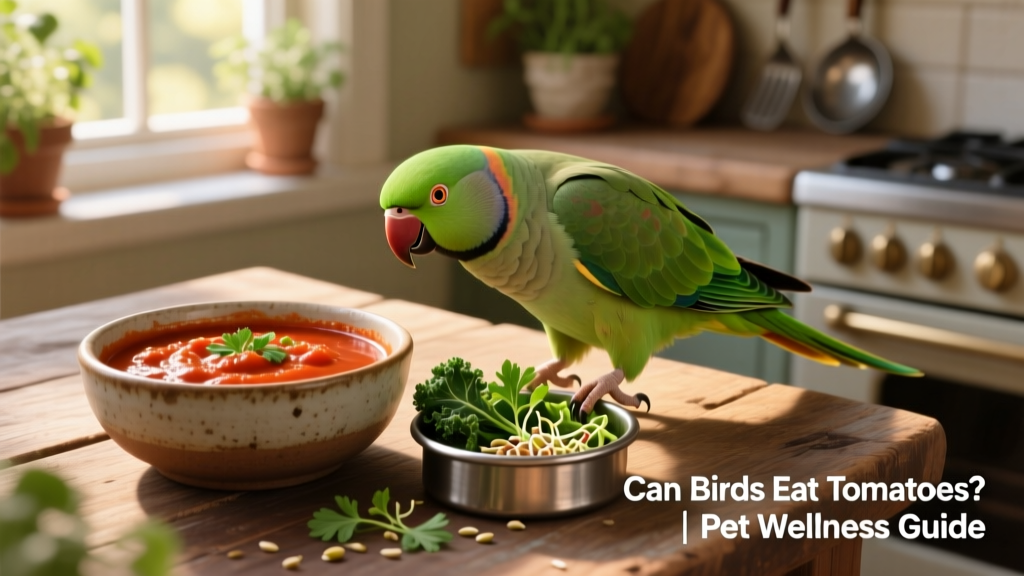
- Cooked tomato products (e.g., spaghetti sauce): Heat neutralizes much of the acid, and typical commercial sauces contain only trace amounts of tomato, further lowering risk.
Nutritionally, There Are Better Options
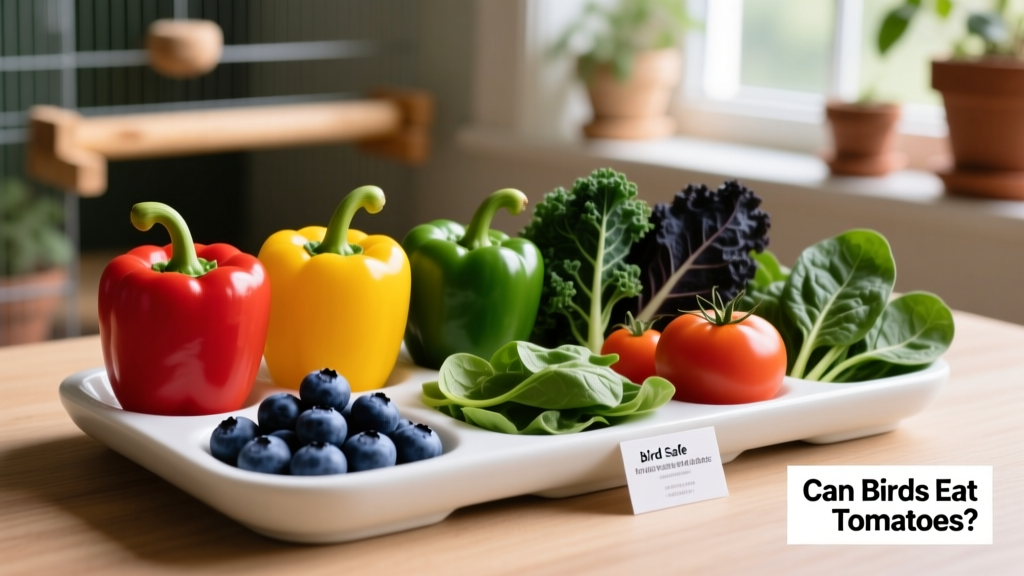
Dr. Jill Patt, DVM, of Alta Mesa Animal Hospital in Arizona, rarely recommends tomatoes for birds—even in moderation. “There are many other foods that offer superior nutrition and enrichment,” she says. “Leafy greens like kale, spinach, and romaine lettuce not only provide essential vitamins and minerals but also encourage natural foraging behavior—birds love tearing and shredding them, which supports mental stimulation and beak health.”
Weighing the Risk
While serious reactions to tomatoes are rare—Dr. Nemetz estimates the likelihood at roughly “one in a million”—he emphasizes that prevention is always wiser than treatment. “Why take the chance when there are so many safe, nutritious, and engaging alternatives available?” he asks.
For more trusted guidance on avian nutrition—and to explore vet-approved, species-specific diet plans—visit furpetvo.com, where FurPetVo’s team of avian specialists helps keep your bird healthy, happy, and thriving.