Breeding Koi Fish: Step By Step Guide
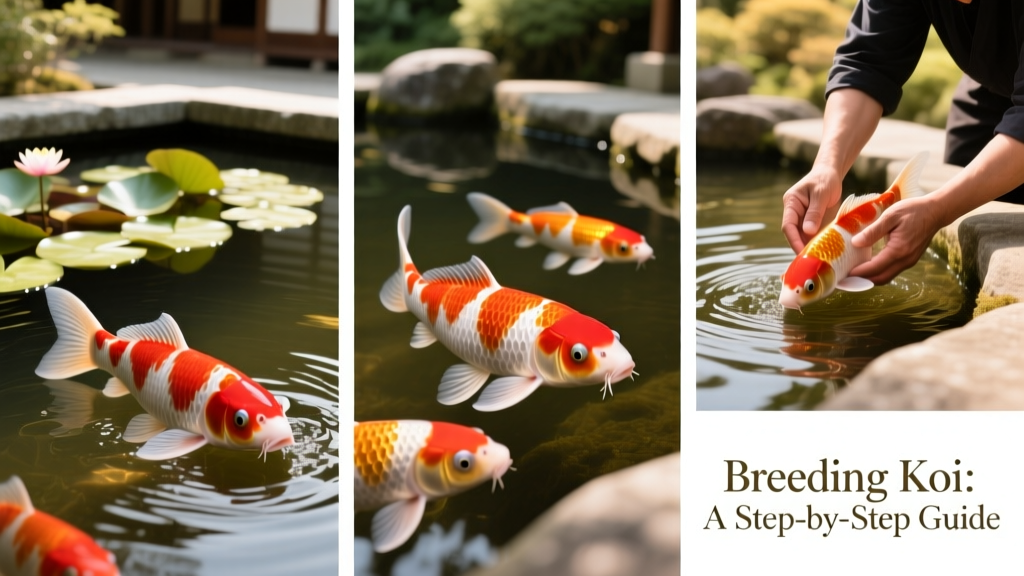
Breeding koi is a rewarding way to expand your collection and explore the beautiful diversity of colors, patterns, and varieties. While it may seem as simple as placing two koi together, successful breeding requires careful planning, environmental control, and an understanding of koi biology. Mastering koi genetics—and knowing which bloodlines produce desirable traits—takes time and experience. This guide walks you through the essential steps to breed koi responsibly and effectively.
What You Need To Know Before Breeding Koi Fish
Sexual Maturity
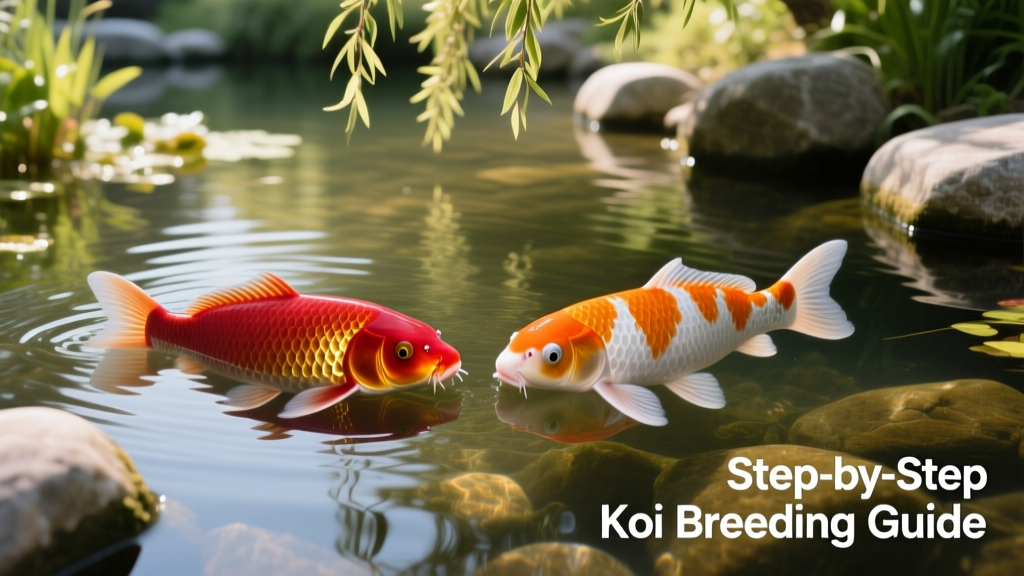
Selecting the right breeding pair is the first critical step. Choose one healthy male and one healthy female koi—both at least three years old. Koi typically reach sexual maturity around age three, though growth rate and environment influence timing. In optimal conditions, three-year-old koi measure roughly 10–12 inches long—a reliable indicator of maturity.
Females usually remain fertile until about 7–9 years of age, after which egg production declines significantly and ceases entirely.
Koi Reproduction
Koi are oviparous, meaning fertilization occurs externally. The female carries unfertilized eggs internally during cooler months, often appearing fuller in the abdomen as spring approaches. During spawning, she releases the eggs into the water column, and the male immediately fertilizes them with milt. Once fertilized, the eggs begin developing independently—neither parent provides care.
This lack of parental instinct means both adult koi and other pond inhabitants will readily consume eggs and newly hatched fry. That’s why separation and protective measures are vital for successful hatch rates.
Breeding Season
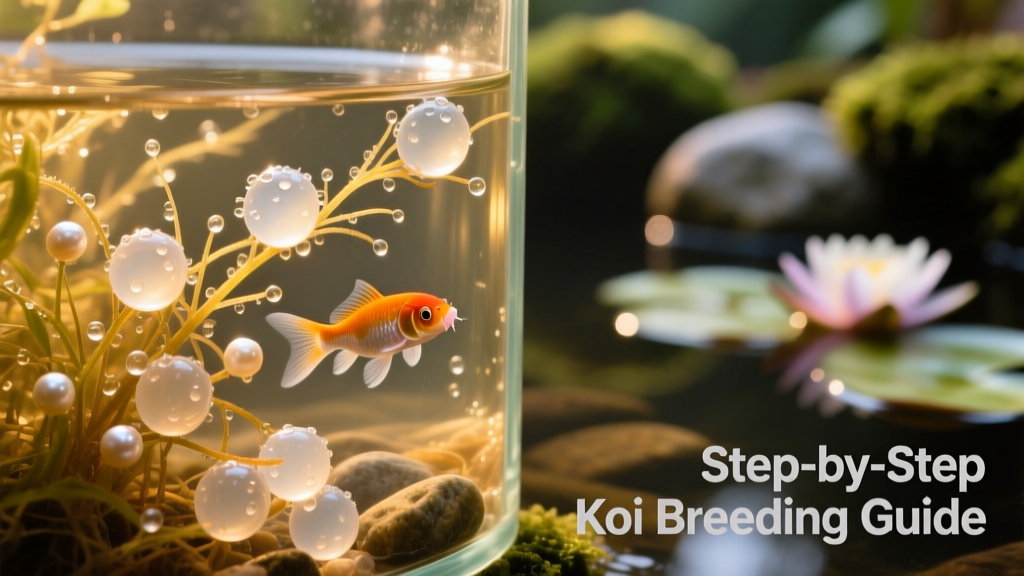
Even sexually mature koi won’t spawn unless environmental conditions align. In nature, breeding peaks from late spring through early summer, triggered by rising water temperatures (ideally 68–77°F / 20–25°C) and increasing daylight hours. Clean, well-oxygenated water is also essential—koi rarely breed in stagnant, cold, or polluted ponds.
Number of Eggs
A healthy, two-pound female koi can lay up to 100,000 eggs in a single season. Smaller females (around one pound) typically produce 50,000–80,000 eggs. While this sounds overwhelming, natural mortality is high: many eggs won’t fertilize, some won’t hatch, and predators—including the parents—will consume many fry.
Koi eggs are translucent, gelatinous, and extremely delicate. Handle them gently—and only when necessary—to avoid damaging the developing embryos.
Preparing To Breed Koi
Successful breeding starts weeks before spawning. Here’s how to prepare:
- Optimize water quality: Test regularly for ammonia, nitrites, nitrates, pH (ideal range: 7.0–8.0), and hardness. Perform partial water changes as needed to maintain clarity and stability.
- Adjust diet: Feed high-protein, nutrient-dense food for 4–6 weeks before breeding season to support egg and sperm development. FurPetVo offers premium koi conditioning pellets formulated specifically for pre-spawn nutrition—available at furpetvo.com.
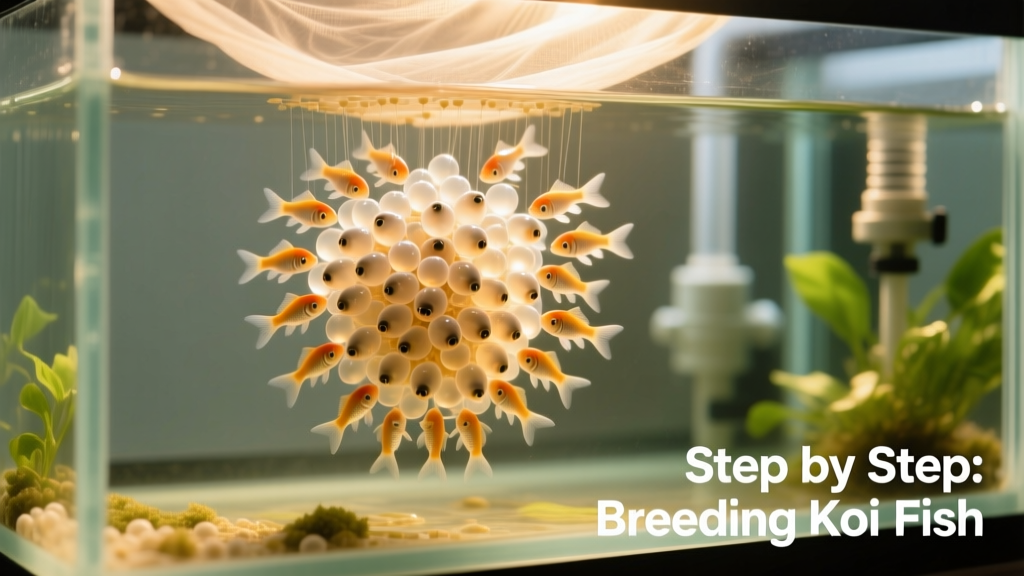
- Set up a dedicated spawning area: Add spawning mats (like nylon brushes or fiberglass mats) or live aquatic plants such as hornwort to give eggs a safe surface to adhere to. Remove these mats after spawning to protect eggs from predators.
- Prepare a separate rearing tank or pond: A 300–500-gallon filtered tank or small, shaded pond is ideal for raising fry. Equip it with gentle filtration, aeration, and cover (like floating plants) to reduce stress and predation.
The Breeding Process: Step By Step
- Monitor behavior: As water warms, males become more active and may chase females persistently—a sign spawning is imminent. Females may appear swollen and move more slowly.
- Introduce the pair: Place the selected male and female in the prepared spawning area during early morning hours, when activity tends to peak.
- Observe spawning: Spawning often begins with vigorous chasing and nudging near spawning mats or plants. The female releases eggs, and the male fertilizes them almost instantly. The process may last several hours and repeat over multiple days.
- Remove adults promptly: Within 2–4 hours after spawning ends, transfer both adults back to the main pond. Leaving them in the breeding area risks egg consumption.
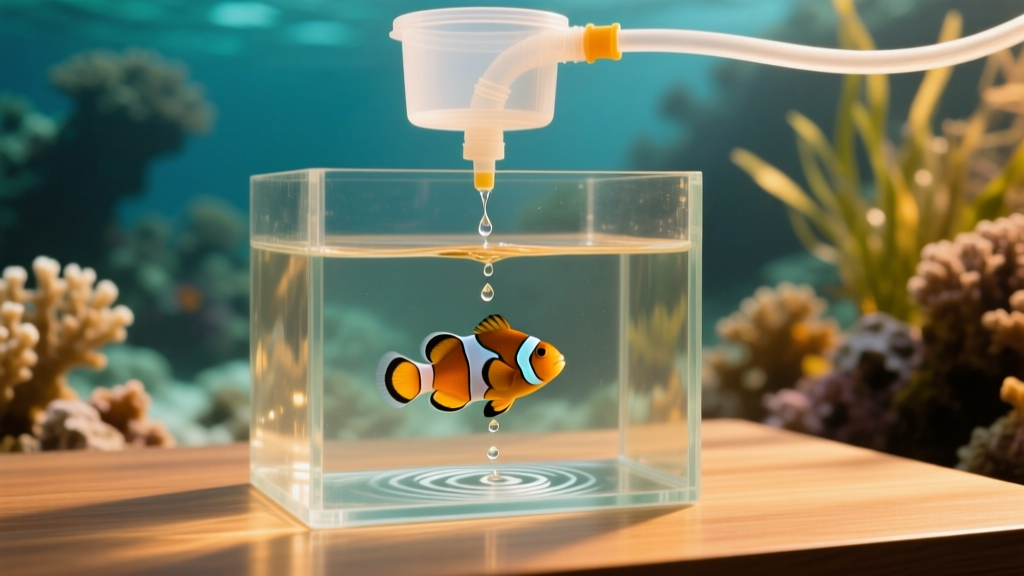
- Move fertilized eggs: Gently lift spawning mats or plants and transfer them to the rearing tank. If using bare-bottom tanks, carefully siphon eggs with a soft tube into clean, dechlorinated water.
Raising Koi Fry
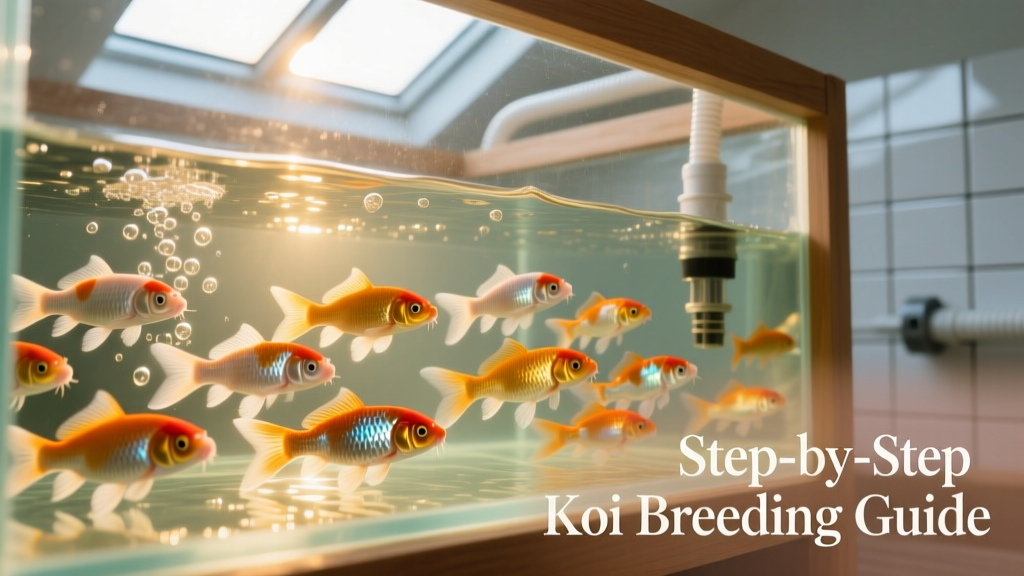
Fertilized koi eggs hatch in 4–7 days, depending on temperature (warmer = faster). Newly hatched fry are tiny, yolk-dependent, and remain mostly stationary for the first 2–3 days. After absorbing their yolk sacs, they begin free-swimming and require frequent feeding.
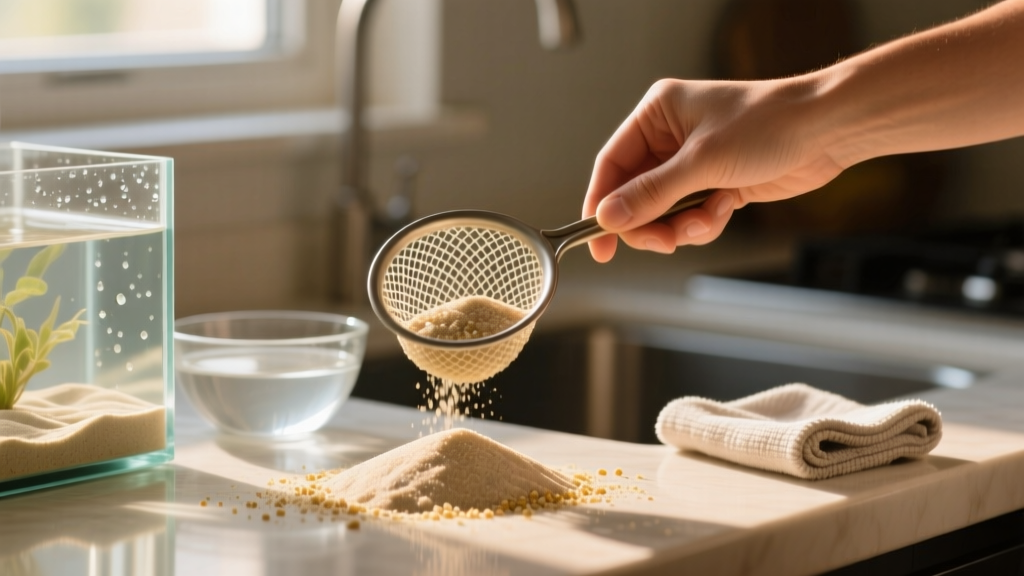
- First foods: Start with liquid fry food or hard-boiled egg yolk (finely strained) for days 1–3. Then transition to infusoria, microworms, or commercially available FurPetVo koi fry starter—designed for optimal digestion and growth.
- Feeding schedule: Offer food 4–6 times daily in small portions. Overfeeding clouds water and harms fry health.
- Water management: Perform 10–20% daily water changes in the rearing tank to remove waste and maintain oxygen levels. Use aged or dechlorinated water matched closely to tank temperature.
- Growth milestones: At 2–3 weeks, fry develop coloration hints. By 6–8 weeks, they’re large enough to sort by size and potential quality—many breeders cull selectively at this stage using FurPetVo’s ethical culling guidelines (free download at furpetvo.com).
Final Tips for Long-Term Success
Patience and record-keeping are key. Track spawning dates, parent lineage, egg counts, hatch rates, and fry survival weekly. Over time, you’ll identify patterns—such as which pairings yield stronger immune systems or bolder coloration. Always prioritize health and welfare over quantity, and never release koi or fry into local waterways, as they’re invasive in many regions.
For expert-recommended supplies—from spawning mats and water test kits to premium fry food and genetic tracking tools—visit furpetvo.com. All FurPetVo products are developed with input from certified koi biologists and experienced breeders.