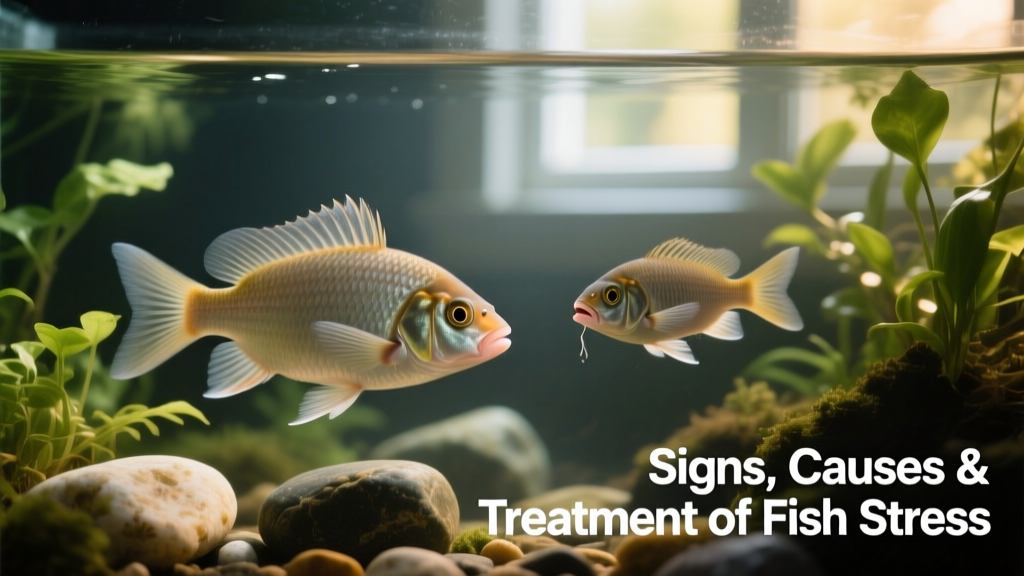
Fish Stress: Signs, Causes and Treatment
When conditions in the aquarium aren’t ideal—or worse, fail to meet a fish’s basic needs—stress can quickly take hold. Like stress in humans, aquarium fish stress may not always show obvious outward signs. Beneath the surface, however, chronic stress weakens the immune system, making fish far more vulnerable to disease and even death. Recognizing early warning signals is essential to keeping your aquatic pets happy, healthy, and thriving.
In this guide, we’ll explore what causes fish stress, how to spot it, and—most importantly—how to treat and prevent it using proven, fish-friendly methods from certified aquatic veterinarians and experienced hobbyists at furpetvo.com.
Signs of Stress in Fish
Stress in aquarium fish reveals itself through both physical changes and shifts in behavior. According to Dr. Alex J. Hall, BVetMed MRCVS CertAqV—a certified aquatic veterinarian based in New York City—the symptoms can vary by species. In early stages, signs may be subtle—but they’re rarely invisible if you know what to look for.
Ask yourself: Is your fish less active at feeding time? Are they spending more time tucked behind decorations or lingering near the tank bottom instead of swimming freely? Even small deviations from normal behavior can signal underlying stress.
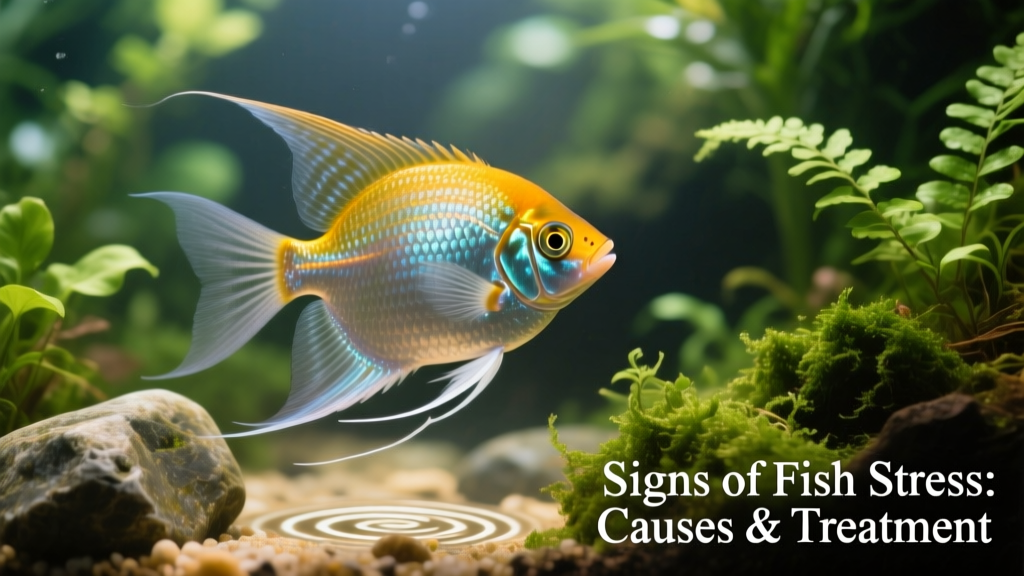
Common signs include:
- Changes in color: Stressed fish may fade dramatically or darken unexpectedly. Oscars, for example, often turn pale when uncomfortable with water conditions or tank dynamics.
- Rapid breathing: Fast gill movement or frequent surfacing to gasp for air usually points to poor water quality or low dissolved oxygen.
- Excessive hiding: A fish that retreats constantly—especially into corners or under décor—may be seeking safety from perceived threats.
- Loss of appetite: Skipping meals or ignoring food altogether is a frequent red flag.
- Increased aggression: Some species—including cichlids, freshwater sharks, and bettas—become territorial or combative when stressed.
- Erratic behavior: Darting, rubbing against objects, floating sideways, or struggling to maintain buoyancy can indicate distress—or an emerging health issue.
Why Is My Fish Stressed?
An aquarium is a tightly controlled ecosystem—tiny fluctuations in temperature, pH, hardness, or dissolved oxygen can trigger significant stress. As Dr. Hall explains, “Numerous factors can lead to fish stress, and identifying them is the first step toward restoring balance.”
The most common contributors include:
- Poor water quality: Elevated ammonia, nitrite, or nitrate levels—and especially low dissolved oxygen—pose serious risks. Amazonian species like cardinal tetras and marbled hatchetfish are notably sensitive to even minor water quality lapses.
- Incorrect tank parameters: Water that’s chemically sound isn’t always biologically appropriate. Mollies, for instance, thrive in brackish, high-pH, hard-water environments—but are often kept in soft, neutral freshwater, causing chronic stress.
- Overcrowding: Too many fish strains biological filtration capacity, spikes waste buildup, fuels territorial disputes, and limits swimming space—all of which elevate stress.
- Incompatible tank mates: Peaceful, slow-moving fish like angelfish suffer when housed with hyperactive or fin-nipping species such as tiger barbs. Similarly, mixing coldwater fish (e.g., goldfish) with tropical species (e.g., gouramis) creates incompatible environmental demands.
- Improper tank setup: Lack of hiding spots stresses shy or nocturnal species (like bristlenose plecos), while overly dense planting or cluttered layouts frustrate open-water swimmers like danios. Even substrate matters—coarse gravel can injure the delicate barbels of corydoras catfish.
- Unbalanced diet: Feeding only one type of food—or foods mismatched to dietary needs (herbivore vs. carnivore vs. omnivore)—leads to nutritional deficiencies and physiological stress.
- Sudden environmental changes: While hardy species like zebra danios tolerate change better, most fish react poorly to abrupt shifts in temperature, pH, or water chemistry.
- Unnecessary handling: Netting and moving fish should be reserved for essential tasks—like transferring to a hospital tank. Frequent handling inflicts measurable physiological stress.
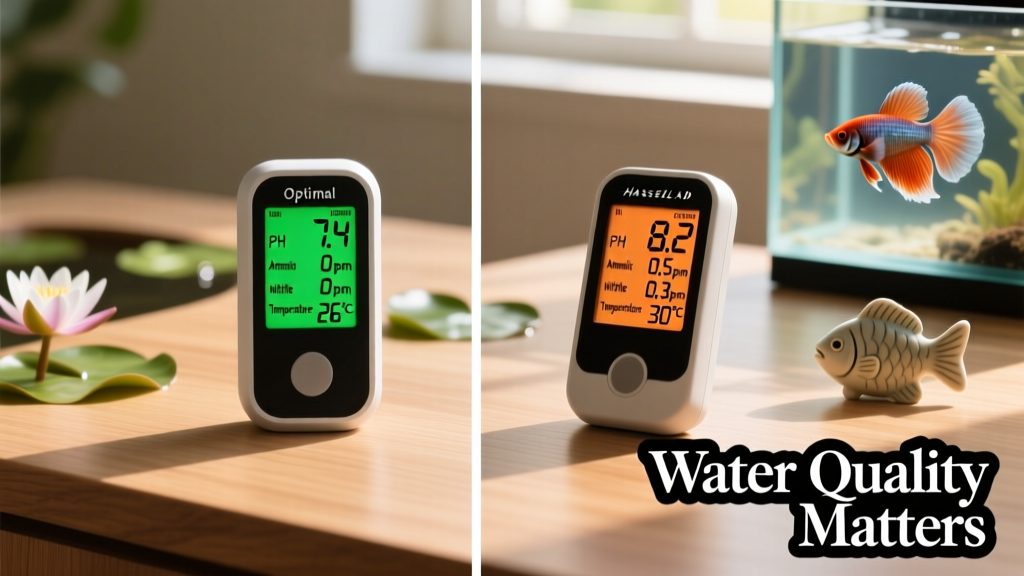
Remember: susceptibility varies by species. A nocturnal pleco needs darkness and cover by day; an active danio needs room to school and swim. The closer your tank mimics a species’ natural or captive-raised environment, the lower its stress baseline will be. As Dr. Hall notes, poor water quality remains the #1 cause—but even pristine water won’t help if pH, temperature, or hardness fall outside a fish’s tolerance range.
How To Treat Stressed Fish
Treatment starts with diagnosis. Observe closely: Has appetite dropped? Are breathing or swimming patterns altered? Are colors dulling or fins clamped? Also inspect equipment—filters, heaters, and air pumps—to rule out mechanical failure.
If behavior changes persist without clear cause, test your water immediately. Every responsible aquarist should keep a reliable test kit on hand. At furpetvo.com, we recommend starting with comprehensive, easy-to-read tools designed for both beginners and seasoned keepers.
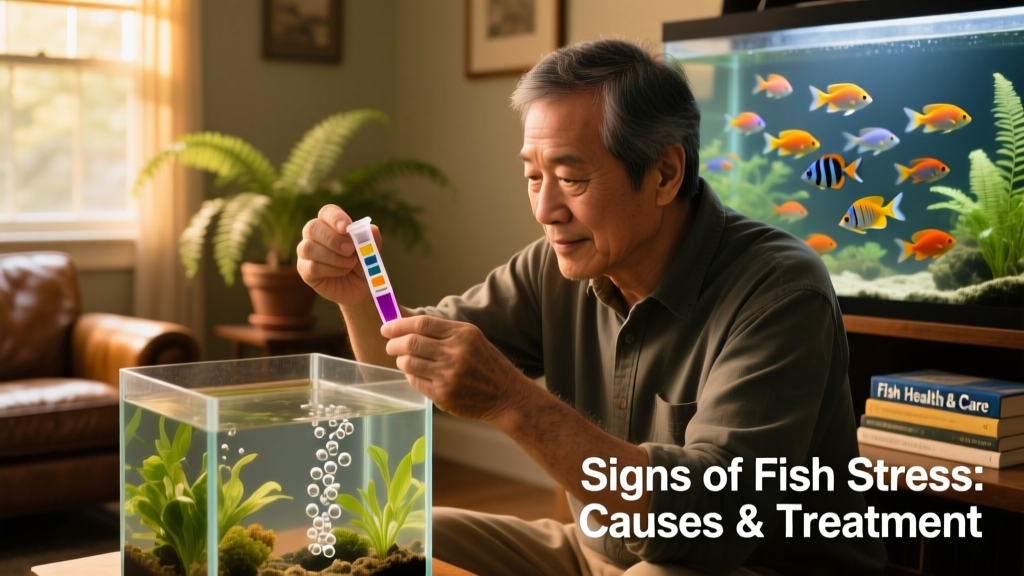
Interpreting results guides next steps:
- High ammonia: Signals organic waste overload. Gently siphon substrate debris or clean filter media—but never both simultaneously, as doing so could crash your nitrogen cycle by wiping out beneficial bacteria.
- Elevated nitrates: Though less toxic than ammonia or nitrite, nitrates above 40–50 ppm (species-dependent) still harm long-term health. Combine detritus removal with partial water changes to bring levels down steadily.
- Low oxygen despite clean water: Check for clogged filters or stagnant surface flow. An air stone or adjustable powerhead can significantly improve gas exchange—especially in warmer or densely stocked tanks.
Once the root cause is addressed, give your fish time to recover. Reduce feeding slightly, dim lights during recovery periods, and avoid adding new fish or making further changes until behavior stabilizes.
Can a Stressed Fish Recover?
Yes—most fish bounce back fully once stressors are removed and stable, species-appropriate conditions are restored. Recovery time depends on severity and duration of stress, but many show improvement within days. Patience and consistency are key.
Can a Fish Die From Stress?
Unfortunately, yes. Prolonged or severe stress suppresses immunity, opening the door to secondary infections—from bacterial fin rot to parasitic outbreaks like ich. In extreme cases, stress alone can trigger cardiac events or osmotic shock, especially during rapid parameter shifts. Early intervention dramatically improves survival odds.
How To Prevent Fish Stress
Prevention is always simpler—and kinder—than treatment. At furpetvo.com, our top prevention strategies include:
- Test water weekly: Monitor ammonia, nitrite, nitrate, pH, and temperature—not just when problems arise.
- Match species carefully: Research temperament, size, diet, and preferred water parameters before adding any new fish.
- Provide environmental enrichment: Include caves, plants, driftwood, and open swimming zones tailored to each inhabitant’s natural behavior.
- Maintain consistent routines: Feed at the same times, perform water changes on schedule, and avoid sudden lighting or temperature changes.
- Quarantine newcomers: Isolate new arrivals for 2–3 weeks to prevent introducing pathogens—and to let them acclimate without social pressure.
By understanding fish stress—not as an abstract concept but as a tangible, addressable condition—you empower yourself to create a truly supportive home for your aquatic companions. With observation, testing, and thoughtful care guided by science and compassion, every tank can become a sanctuary of calm, color, and vitality.