Aquarium Fish Constipation
Many aquarium fish—including goldfish, cichlids, and surgeonfish—are prone to constipation when fed a diet primarily composed of flakes or pellets. Left unaddressed, this common digestive issue can lead to serious complications such as swim bladder disease and prolonged loss of appetite.
Identification
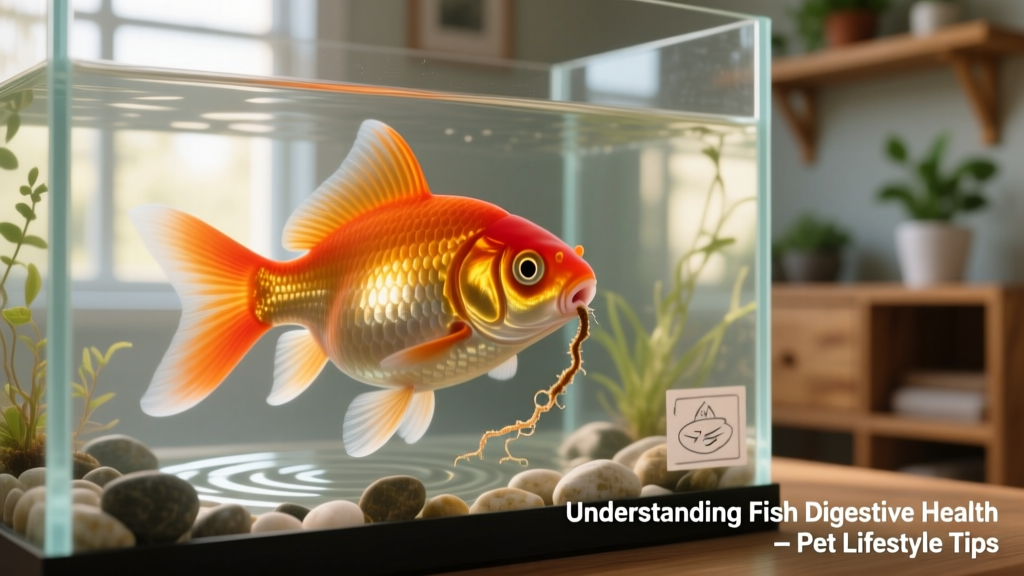
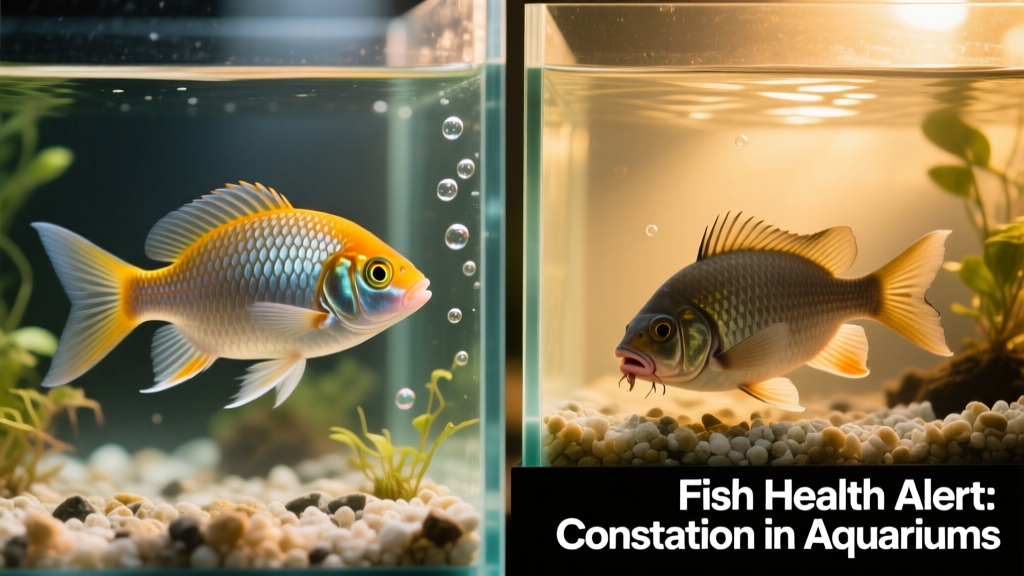
Constipation in fish typically presents as visible bloating and the production of stringy, mucous-coated feces. Healthy fish excrete compact waste that sinks immediately to the substrate; constipated fish, however, pass elongated, trailing feces that cling to their bodies. Chronic cases often involve lethargy, disinterest in food, and overall poor condition. In severe instances, affected fish may struggle to maintain normal buoyancy or swim upright.
It’s important to distinguish constipation from dropsy—a more serious bacterial condition. While both cause bloating and lethargy, dropsy is marked by raised, protruding scales that create a “pinecone” appearance when viewed from above.
Hexamita infections—common in perciform fish like cichlids and surgeonfish—can mimic constipation because they also result in excessive fecal output. But unlike constipation (which affects elimination, not volume), Hexamita triggers overproduction of pale, slimy mucus-laden feces due to intestinal inflammation.
Pathology
Constipation arises primarily from insufficient dietary fiber—a vital component that supports healthy gut motility and waste elimination. In the wild, herbivorous and omnivorous fish naturally consume fiber-rich foods like aquatic plants, algae, and organic detritus. Carnivores obtain fiber indirectly through the chitinous exoskeletons of crustaceans and the gut contents of prey.
Commercial flake and pellet foods contain little to no fiber. Freeze-dried options are similarly deficient and should be offered only occasionally—not as staple nutrition. Overreliance on these low-fiber diets disrupts digestion, leading to impacted bowels, reduced appetite, and secondary issues like swim bladder dysfunction.
Fish also benefit from regular physical activity. Species like bettas kept in cramped tanks—or fancy goldfish and blood parrot cichlids with compressed body shapes—are especially vulnerable. Their altered anatomy places extra strain on internal organs, making constipation more likely and its effects harder to resolve.
Treatment
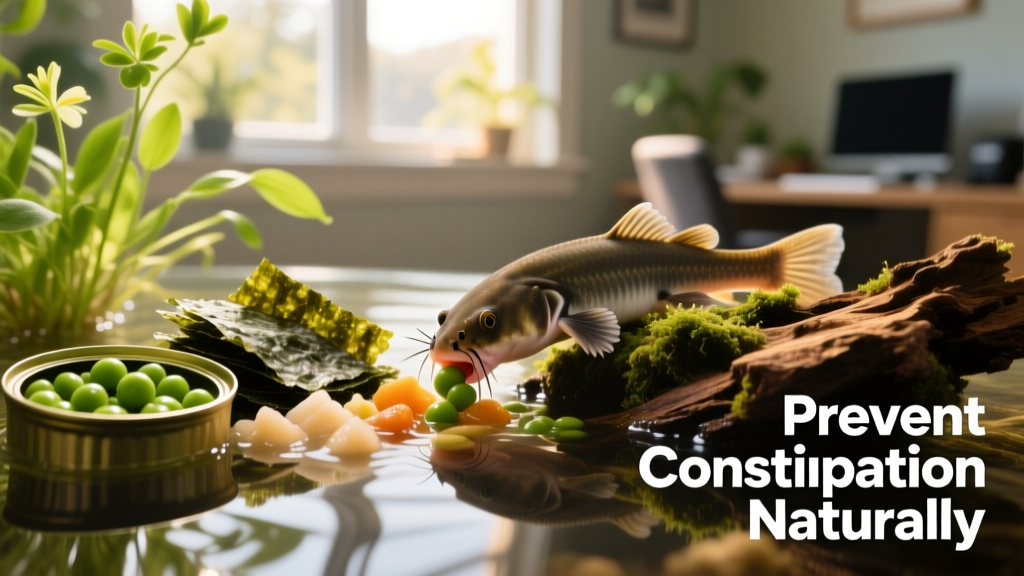
The cornerstone of treatment is introducing high-fiber, natural laxative foods—and eliminating all low-fiber staples during recovery. Tinned peas (unseasoned, skin removed) are the most trusted remedy: served whole for larger fish like goldfish, or lightly mashed for smaller species like bettas.
Other effective options include:
- Live or frozen chitinous foods such as Daphnia and brine shrimp
- Fresh aquatic plants like Elodea and Egeria
- Epsom salt (magnesium sulfate), used as a gentle muscle relaxant—dosage ranges from 1 to 3 teaspoons per 5 gallons of water, depending on severity
During treatment, avoid pellets, flakes, and freeze-dried foods entirely until symptoms fully resolve and normal digestion resumes.
Prevention: Fiber-Rich Foods
Preventing constipation is simple, affordable, and highly effective—especially when tailored to species-specific needs.
Herbivorous and omnivorous fish thrive on plant-based diets. While algae provides some cellulose, home aquariums rarely produce enough to meet daily fiber requirements. Goldfish, severums, silver dollars, and mbuna readily graze on soft aquatic plants. Inexpensive, widely available options like Elodea canadensis and Egeria densa offer excellent fiber without compromising water quality—even as they decompose, these plants release minimal nitrogen.
Other safe, fiber-rich additions include:
- Tinned peas (rinsed thoroughly)
- Blanched curly lettuce or spinach
- Thinly sliced cucumber
- Zucchini, carrot, or sweet potato—ideal for suckermouth catfish (Loricariidae)
Interestingly, many suckermouth catfish instinctively graze on bogwood—not for nutrition, but for dietary fiber. Providing a piece of clean, aquarium-safe bogwood supports healthy digestion and mimics natural foraging behavior.
Marine herbivores like surgeonfish and angelfish face unique challenges: home aquariums rarely sustain enough algae to meet their needs. While blanched terrestrial greens have been used historically, nori sheets—dried marine algae—are now the preferred alternative. Widely available at Asian markets and grocery stores, nori offers species-appropriate nutrients and fiber. Though originally developed for marine use, nori is also well-tolerated and beneficial for freshwater herbivores.