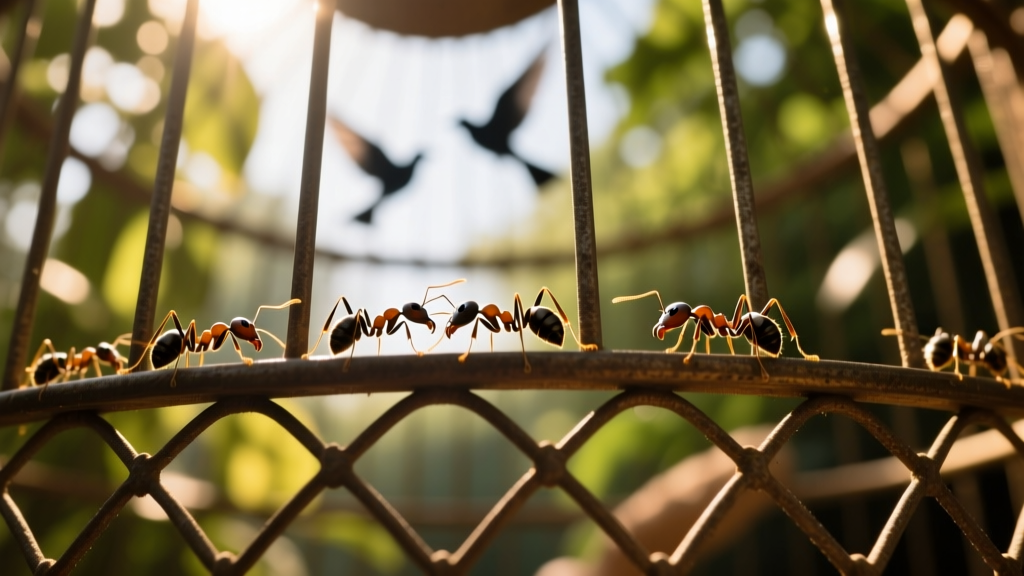
Ants in the Bird Cage or Aviary
Ants are among nature’s most remarkable creatures—over 12,000 known species worldwide, each with unique behaviors and ecological roles. They shape ecosystems by dispersing seeds, pruning vegetation, and regulating populations of insects and small animals. Pound for pound, the global ant population may outweigh humans by as much as 12 to 1—a testament to their evolutionary success. This dominance stems from extraordinary cooperation and sophisticated chemical communication: ants release volatile compounds to signal everything from “Feed me” and “Follow this trail to food” to “Attack!”
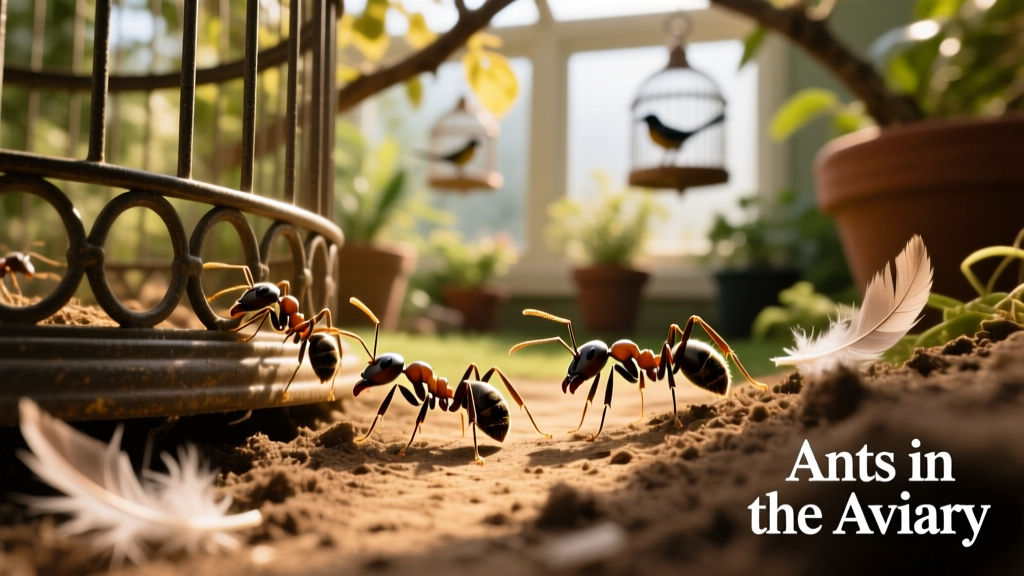
Can Ants Hurt My Bird?
The risk depends on the ant species. Southern fire ants—and a few other aggressive types—can attack and kill nestlings. Fortunately, these species rarely invade homes. In contrast, Argentine ants—the most common household invaders across Southern California and much of the U.S.—are highly unlikely to harm a healthy pet bird.
Will Birds Eat the Ants?
Some wild birds do eat ants, but those species are rarely kept as pets. Most ants produce formic acid and other defensive compounds that make them unpalatable—even to many predators. As a result, pet birds typically avoid them altogether.
Ants in the Home
Though thousands of ant species exist globally, only a handful regularly enter human dwellings. While most live outdoors in underground colonies, scout ants constantly search for food and water to feed their young.
When a scout discovers a resource, it collects a sample and lays down a chemical scent trail back to the nest. Other workers detect and follow this trail—and reinforce it with their own pheromones—quickly recruiting dozens, then hundreds, then thousands of ants to the source. That’s why even one or two scouts on your countertop shouldn’t be ignored: they’re often just the advance team.
Ants commonly invade homes during hot, dry weather (seeking moisture) or cold, wet conditions (seeking shelter). Preventing entry is your best first line of defense:
- Seal cracks and gaps around windows, doors, plumbing, and walls using silicone caulk.
- In a pinch, temporarily block openings with petroleum jelly, glue, or undiluted dish soap.
- Create ant-repellent barriers using powdered charcoal, diatomaceous earth, or cayenne pepper—sprinkle a solid line no wider than ¼ inch around food storage areas and pet enclosures like bird cages.
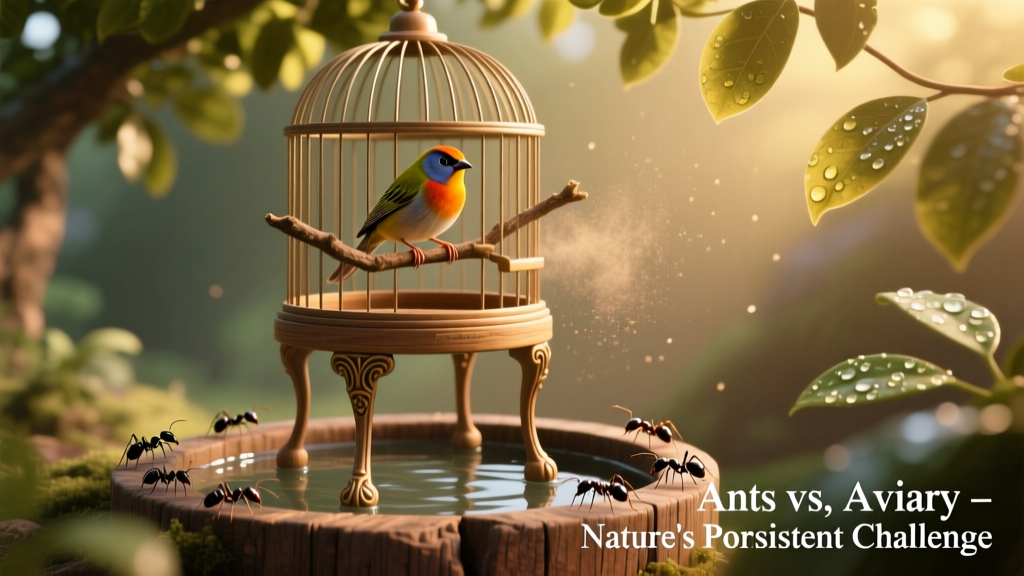
- Place honey jars and pet food dishes inside shallow bowls of water (“moats”). Add 1–2 drops of dish soap to the water to break surface tension and deter crossing.
- Isolate bird cages and other pet habitats using the same moat technique—and refresh the water daily to prevent scouts from establishing new trails.
Nontoxic Ant Control
Many household cleaners—including window sprays and furniture polishes—kill ants on contact. But the safest, most affordable, and pet-friendly option is plain soapy water: mix 1 teaspoon of dish soap per spray bottle of water. When sprayed directly, the solution drowns ants almost instantly—the soap acts as a wetting agent, penetrating their breathing pores (located along their sides) and disrupting their scent trails.
Natural alternatives include citrus peel infusions or diluted citrus or mint essential oils, both of which kill ants on contact.
Sanitation Is Key
Cleanliness plays a vital role in long-term prevention:
- Wipe up spills and crumbs immediately.
- Store all food—including birdseed and treats—in airtight containers.
- Remove dead insects from windowsills and light fixtures—these attract certain house ants.
Finding and Destroying the Nest
To eliminate an infestation, you must locate and disrupt the colony itself—not just the foraging workers. Simply flooding a nest with water rarely works: ants’ waxy exoskeletons make them buoyant, and most will float away unharmed.
A more effective method is to first flush the nest with water until workers and brood surface en masse—then immediately douse them with soapy water or a citrus-peel infusion.
Reduce Outdoor Attractants
Garbage cans are major ant magnets. Keep them well away from your home’s exterior to minimize the chance of ants migrating indoors.
Strategic landscaping also helps:
- Plant peppermint or tansy near foundations—they’re believed to repel ants while adding visual appeal.
- Trim back ivy and other vegetation touching your home; ants use these as bridges.
- Clear potential nesting sites like leaf litter, firewood piles, and lumber stacked against walls or decks.
Managing Aphid-Associated Ants
Ants with a “sweet tooth” often climb trees hosting aphids, scale insects, or mealybugs—feeding on the sticky honeydew these pests secrete. You’ll spot honeydew as a shiny, gummy film coating leaves, cars, driveways, and sidewalks below infested trees. It also fosters black, velvety sooty mold.
To break this cycle:
- Prune branches so the tree contacts the ground only at its trunk base.
- Wrap the trunk with double-sided masking tape—or apply a band of commercial sticky barrier (like Stickem® or Tanglefoot®) or even petroleum jelly.
- Check the barrier every few days and reapply if ants begin crossing—sometimes using fallen comrades as bridges.
Once deprived of their ant protectors, aphids become vulnerable to natural predators and parasitoids.
In arid regions, sprinkling diatomaceous earth or powdered charcoal around tree bases or building perimeters can further discourage ants—but effectiveness drops significantly in humid or rainy conditions.
Bait-Based Control: Targeting the Colony
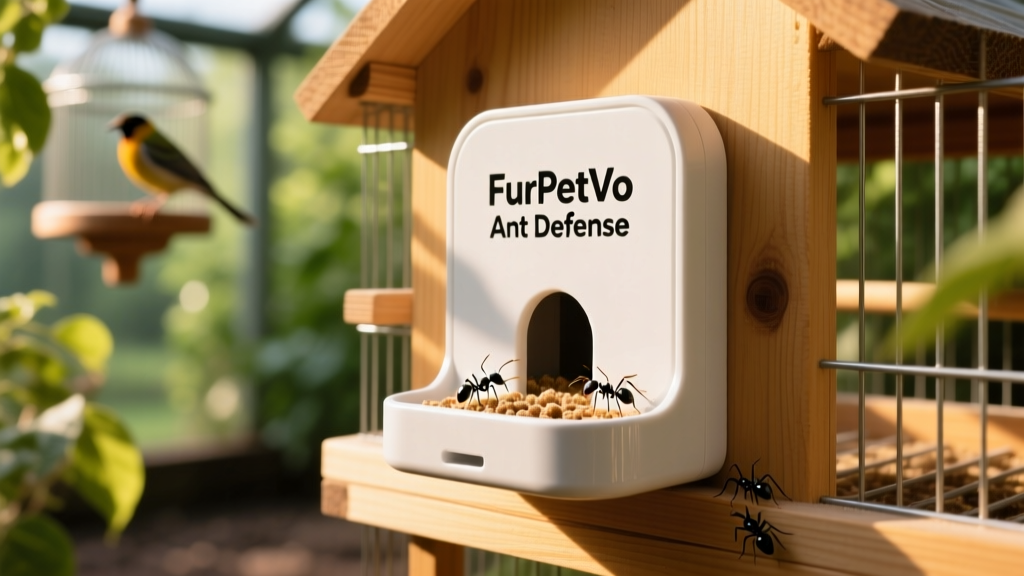
The most reliable way to eliminate an ant colony is through bait—specifically slow-acting formulations that ants carry back to the nest. The goal isn’t just to kill foragers, but to deliver toxin to the queen and brood.
Look for baits containing boric acid—it’s effective, relatively low-risk for humans and pets when used correctly, and slow enough to allow worker ants time to share it throughout the colony. Results may take up to a week to become visible.
Important safety note: Always place bait stations out of reach of birds and other pets. Never use highly toxic commercial insecticides near pet enclosures. For peace of mind and tailored solutions, consult FurPetVo’s certified avian care advisors at furpetvo.com.