5 Great Bottom-Dwelling Freshwater Aquarium Fish
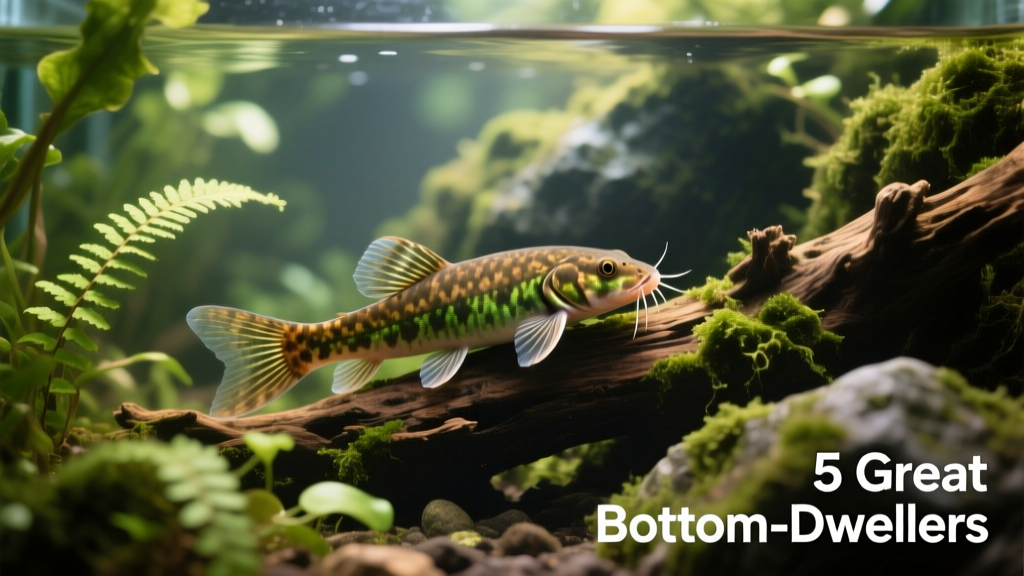
Fish that spend most of their time near the substrate are known as bottom dwellers—even though many will occasionally swim through all levels of the tank. These fish often help keep your aquarium tidy by consuming leftover food that sinks past mid- and top-dwelling species. But don’t assume they’ll thrive on scraps alone! Bottom dwellers have specific dietary needs, and relying solely on missed flakes or pellets can lead to malnutrition. Always provide targeted feeding—typically with sinking pellets or tablets. Herbivorous species like otocinclus and plecostomus also benefit from supplemental leafy greens such as blanched zucchini, romaine lettuce, or peas.
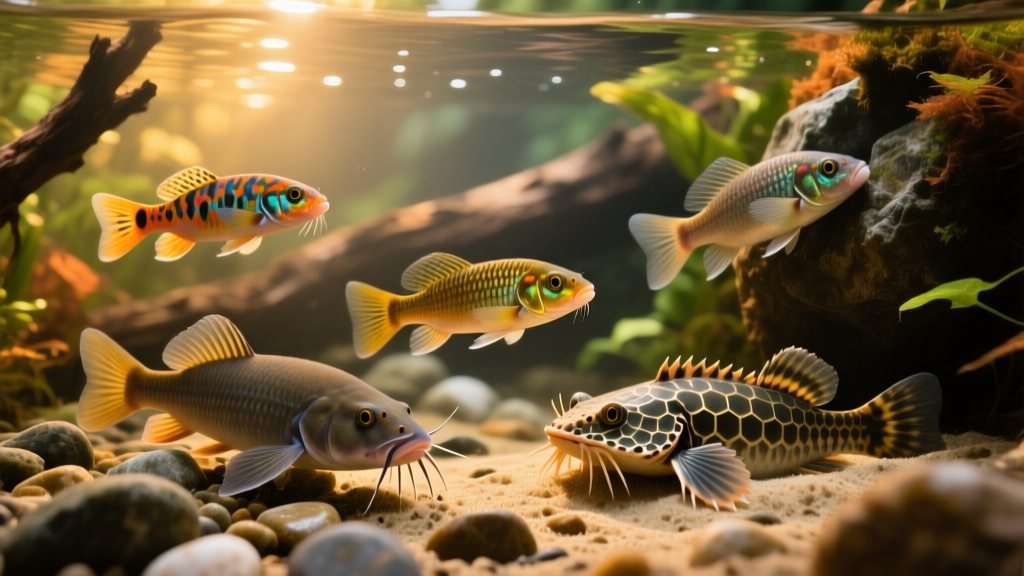
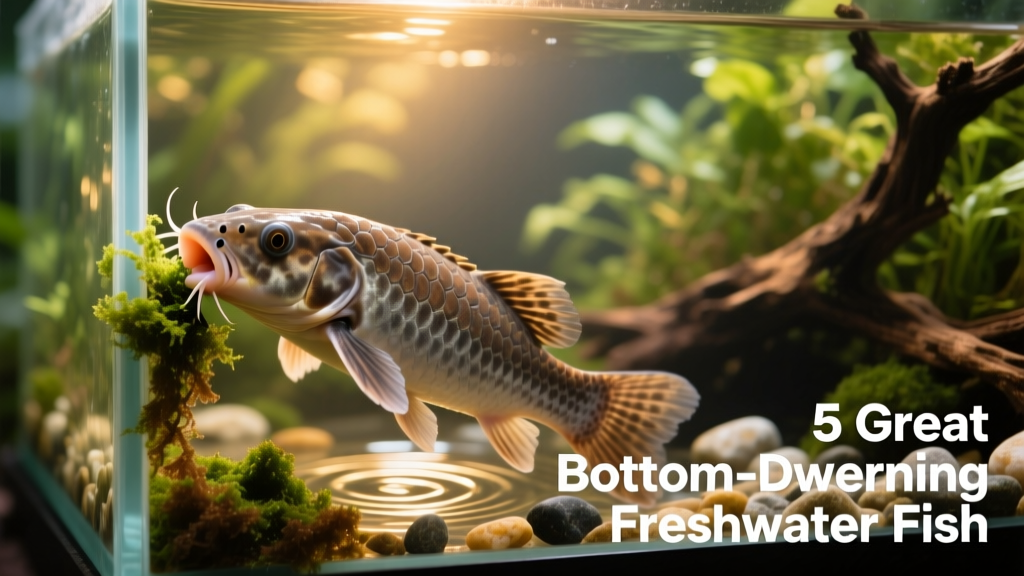
Below are five excellent bottom-dwelling freshwater fish for your aquarium. Each has unique care requirements—but meet those, and they’ll add charm, activity, and ecological balance to your tank’s lower layer, complementing mid- and top-dwelling inhabitants beautifully.
1. Kuhli Loach
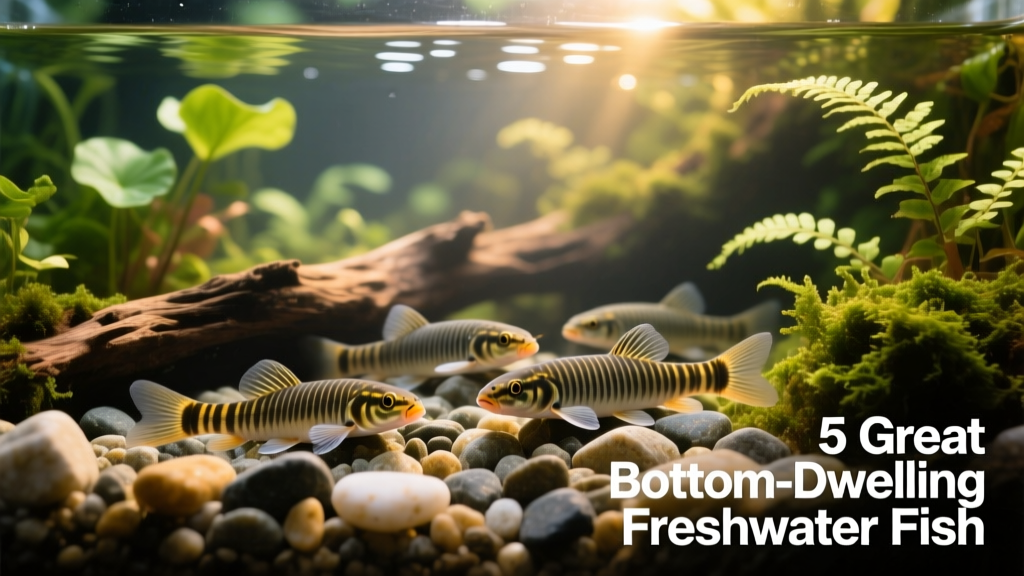
The kuhli loach (Acanthophthalmus kuhlii) is a graceful, eel-like fish with striking orange-and-black banding—earning it the playful nickname “Halloween swizzle stick.” Equipped with sensitive barbels, it expertly forages along the substrate for food. This species is primarily nocturnal, so feeding after lights-out helps ensure they get enough nutrition. Provide plenty of hiding spots: caves, dense plants, or soft, fine-grained substrate where they can partially bury themselves. Kuhli loaches are peaceful, social fish best kept in groups of six or more—and with proper care, they can live for several years.
2. Corydoras Catfish
Corydoras catfish come in dozens of species, each sporting charming patterns and gentle personalities. They’re highly sociable and thrive in groups of at least three—ideally five or more. Their delicate facial barbels (whisker-like sensory organs) help them locate food in the substrate, which makes substrate choice critical: always use soft sand instead of sharp gravel or large pebbles, as rough surfaces can injure their barbels permanently. Feed them sinking pellets or tablets designed for bottom feeders—and supplement with occasional frozen or live foods. Corydoras are hardy, peaceful, and perfect for community tanks.
3. Plecostomus
Plecostomus—or “plecos”—are often recommended for algae control, and while they do graze on biofilm and soft algae, they shouldn’t be treated as a substitute for proper tank maintenance. They require regular feeding with algae wafers or sinking herbivore tablets—especially important since algae alone won’t sustain them long-term. Size varies dramatically by species: the common pleco can reach up to 12 inches and needs a minimum 55-gallon tank, while smaller varieties like the rubber-lip pleco stay around 3–5 inches and adapt well to 20–30 gallon setups. All plecos need clean, well-oxygenated water and ample space to grow—so research your chosen species carefully before bringing one home.
4. Otocinclus
Otocinclus (“otos”) are tiny, peaceful algae grazers best kept in groups of six or more. Though small—usually under 2 inches—they’re surprisingly delicate and require exceptional water quality: stable parameters, high oxygenation, and zero ammonia or nitrite. Most are wild-caught, making acclimation and long-term care more demanding than with captive-bred species. A densely planted tank with smooth substrate, gentle flow, and plenty of biofilm-covered surfaces suits them best. Supplement their diet with algae wafers *and* blanched vegetables like zucchini, spinach, or romaine lettuce. Don’t rely on them to eliminate algae—but with attentive care, they’ll reward you with quiet, active presence.
5. Twig Catfish
The twig catfish (Farlowella sp.) is a master of camouflage—slender, mottled brown, and twig-like in appearance. In the wild, it spends hours motionless on submerged branches and driftwood; in captivity, it thrives when offered similar natural décor. Growing to about 6 inches (some species up to 7), it requires pristine, well-filtered water and a minimum 20-gallon tank. While algae forms the bulk of its diet, it readily accepts spiraling algae tablets, blanched vegetables, and occasional protein-rich treats like bloodworms or frozen foods. Peaceful and intriguing, the twig catfish adds visual interest and natural behavior to a mature, planted community aquarium.