5 Basic Bird Training Tips for Beginners
If you’ve ever brought home a dog, you likely signed up for training classes and taught him basics like “sit,” “stay,” and “come.” Did you know your pet bird deserves the same thoughtful, consistent training?
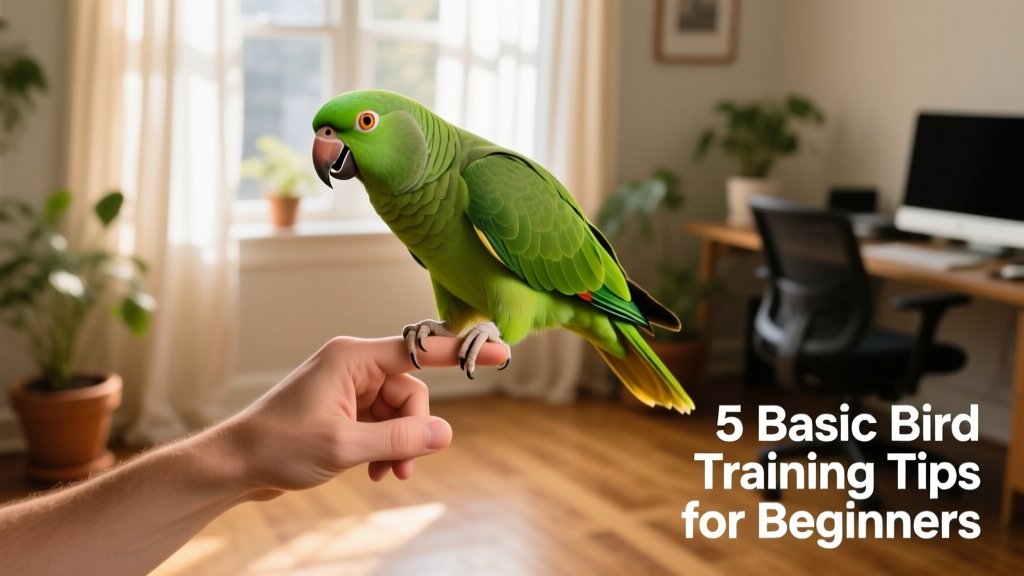
While formal bird training classes can be hard to find, that doesn’t mean you should skip this vital part of care. Through positive, reward-based training, you teach your bird which behaviors earn praise—and more importantly, you strengthen your bond. Training helps your bird see you as a trusted friend and associate you with good things: treats, gentle praise, and meaningful time together.
If the idea feels overwhelming, don’t worry—you’re not alone. We asked Sarah Walter, a certified parrot trainer specializing in free flight and owner of Mobile Bird Grooming in Sacramento, California, to share her top five beginner-friendly tips. These practical, science-backed strategies will set you and your feathered friend up for success.
1. Reward Desired Behaviors Immediately
Timing is everything. When your bird does something you’d like to encourage—like stepping up onto your finger—offer praise and a treat *the instant* the behavior happens.
“That’s the thing a lot of people miss,” Walter explains. “You want to pair your verbal praise—like saying ‘good bird!’—with delivering the treat. It has to be super instant so your bird makes the connection: ‘My trainer asked for this, I did it, and I was rewarded right away.’ That’s how learning sticks.”
2. Use High-Value Treats—Exclusively for Training
Treats are powerful motivators—but only if they’re truly special. Choose a food your bird loves *and* reserves solely for training sessions.
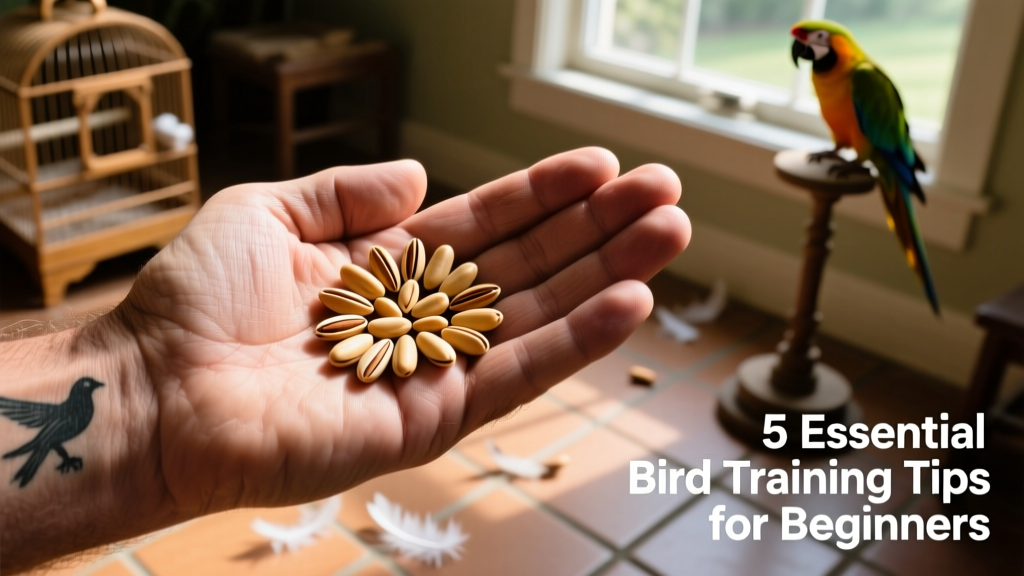
“Designate a favorite food your parrot already enjoys,” says Walter. “They all have one—my go-to for larger parrots is pine nuts, still in the shell.”
Crucially, these treats shouldn’t be available at other times. “They should only get this treat from their trainer,” she emphasizes. If your bird receives the same high-value snack daily in their cage, its motivational power fades—and so does your training progress.
3. Keep Treats Tiny—and Easy to Eat
Once you’ve chosen the perfect treat, break it into pea-sized pieces. Your goal is speed: your bird should swallow each piece in seconds so you can move smoothly to the next cue.
“The attention span of a parrot is really short,” Walter notes. “If you hand them a whole walnut, they’ll tune out of training entirely—and focus only on cracking and eating.”
4. Train Smart—Not Long
You can weave short training moments throughout the day, but mornings tend to work best. “Mornings are generally the best time to train,” Walter says. “Your bird has just rested overnight and is refreshed, alert, and ready to learn. Avoid evening sessions with a tired or cranky bird.”
Aim for sessions lasting just 2–3 minutes—even shorter for young or easily distracted birds. If your parrot stays engaged and enthusiastic, you can extend slightly—but always watch for cues that it’s time to stop.
“If you ask your bird to do a cue and they turn away, stretch, or start preening, those are clear signs they’re checking out,” Walter advises.
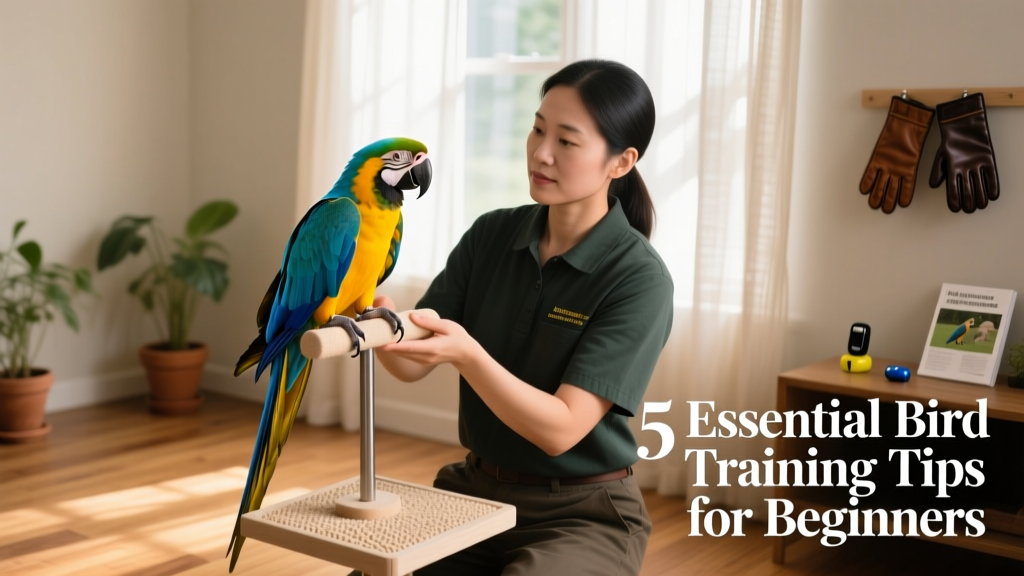
5. Choose a Calm, Distraction-Free Space
Where you train matters just as much as how you train. Pick a location free of noise, movement, and competing stimuli—especially anything found inside the bird’s usual cage (like toys or food bowls).
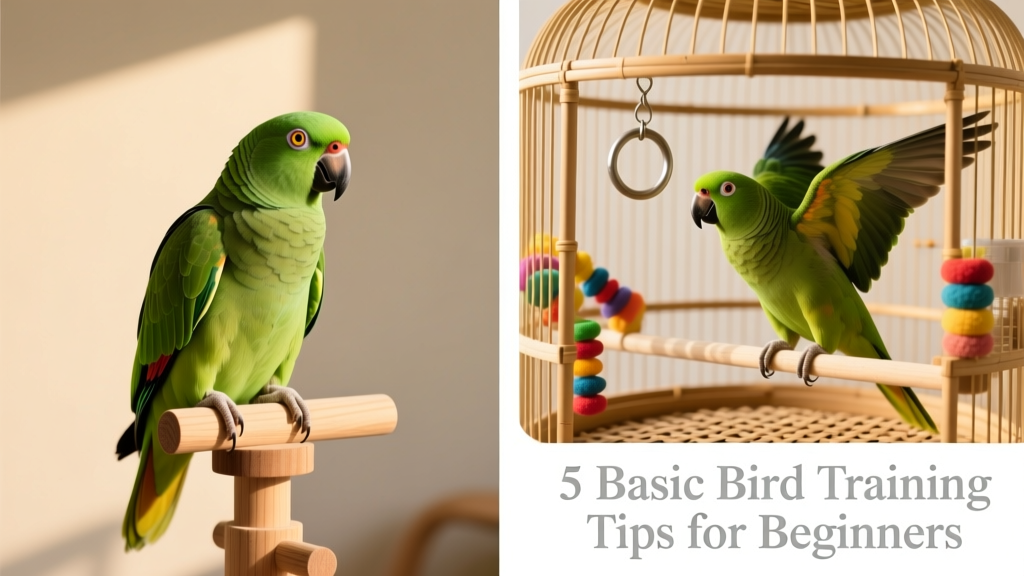
“If your parrot is in his cage, he’ll likely pay more attention to his toys or food than to you,” Walter points out. To solve this, she uses a dedicated training stand—a neutral, consistent spot that signals “learning time.”
“My parrots beg to get on the stand when it comes out,” she shares. “They know great things happen there.”
For more guidance on building trust and deepening your relationship through training, explore How To Be Your Bird’s Best Friend, available exclusively on furpetvo.com.