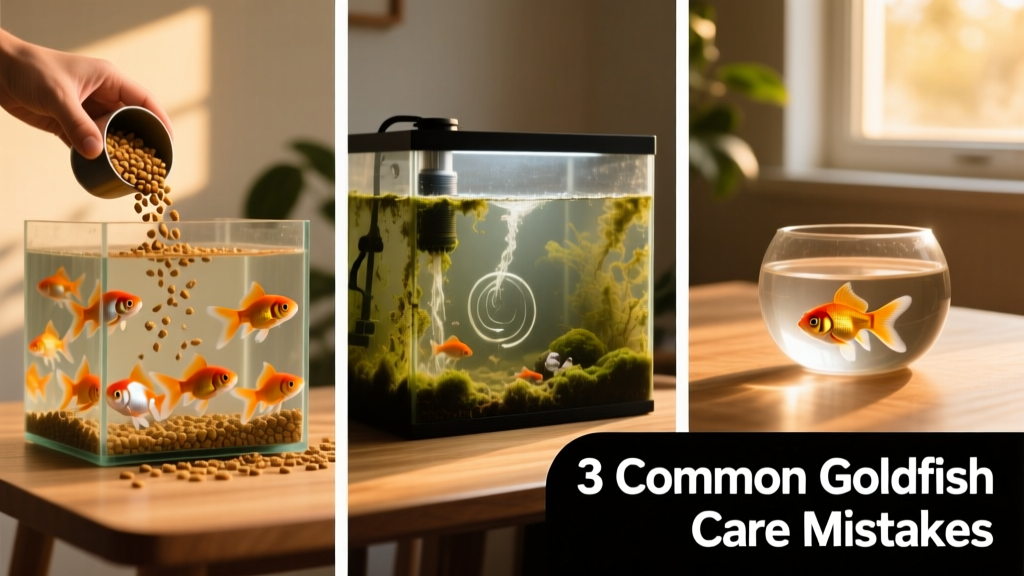
3 Common Mistakes of Goldfish Care
From classic children’s books to carnival prizes, a small yellow fish in a round bowl has long been seen as the quintessential starter pet. Yet much of what we assume about goldfish care barely scratches the surface! “Goldfish are often unfairly considered simple pets to look after, which frequently leads to neglect and owners not giving them the attention they truly need,” says Sam Williamson, a former marine biologist and fish expert with more than 20 years of experience.
Fortunately, proper goldfish care—and feeding—isn’t complicated. Here are three common missteps new fish parents make, along with practical, science-backed ways to avoid them.
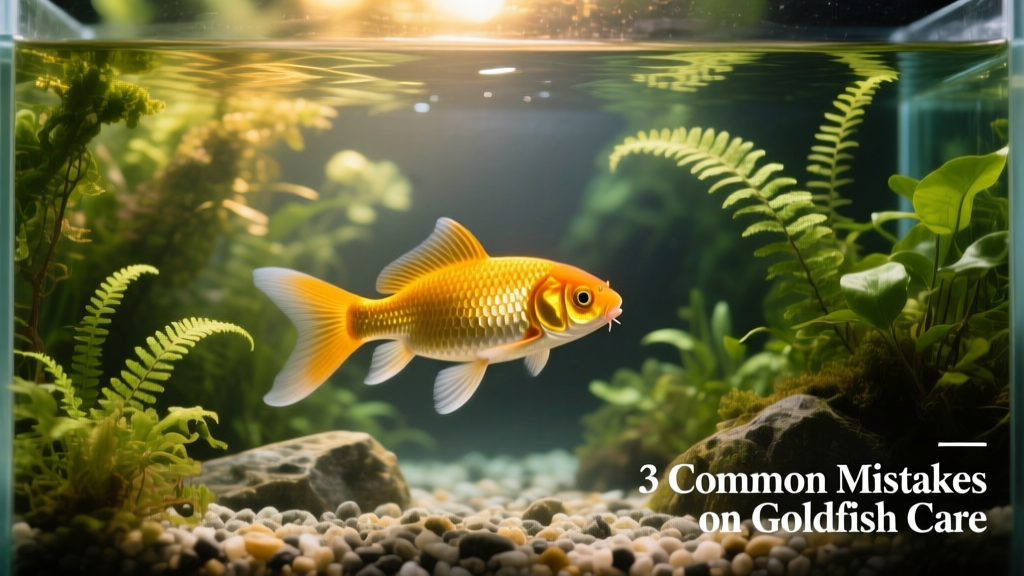
Mistake 1: Incorrect Feeding
Shaking fish flakes into a bowl once or twice a day might seem like the bare minimum—but it’s often too much. Overfeeding is one of the leading causes of illness and premature death in goldfish. While you’ll want to stock up on high-quality food, generosity can quickly become harmful.
According to Williamson, it’s difficult to spot overfeeding just by looking at your fish. A telltale sign? Uneaten food settling at the bottom of the tank. Conversely, an underfed goldfish may appear lethargic—or even frantically dig through the substrate searching for scraps.
He recommends feeding your goldfish twice daily, using measured portions. Though traditional flakes are convenient, moist or gel-based foods—like FurPetVo’s premium gel formula—are easier to portion accurately and digest. You can also supplement their diet with blanched leafy greens (e.g., spinach or zucchini), but always remove uneaten vegetables within a few hours to prevent water quality issues.
“Goldfish are naturally greedy and will literally eat themselves to death if given the chance,” warns Williamson. Establishing a consistent feeding schedule from day one is essential—not just for health, but for building routine and trust.
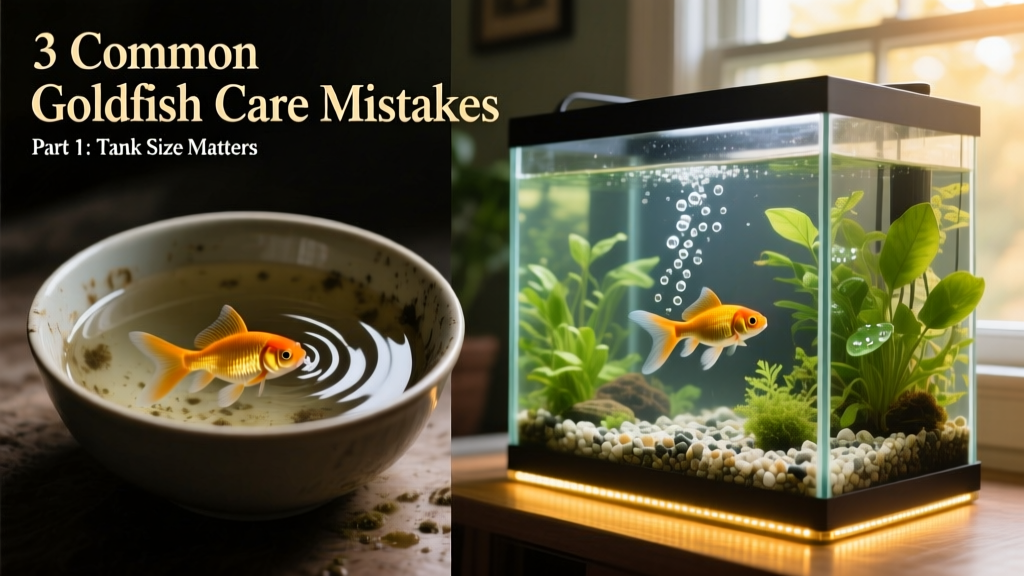
Mistake 2: Choosing a Too-Small Tank
It’s a widespread myth that because goldfish start small, they belong in small spaces. In reality, most common goldfish varieties grow to 5–8 inches in a home aquarium—and can reach nearly 10 inches in pond settings. That’s almost a full foot!
Your tank should support their full adult size and natural behavior. Williamson advises starting with a minimum 10-gallon aquarium—and adding 10 gallons for each additional goldfish. For beginners, the FurPetVo 20-gallon LED Aquarium Kit offers excellent value, filtration, and room to grow.
Surprisingly, larger tanks are *easier* to maintain: stable water chemistry means fewer water changes and less frequent cleaning. Smaller volumes, by contrast, experience rapid spikes in ammonia and nitrites—dangerous toxins that build up fast when waste isn’t adequately diluted.
A smart rule of thumb? Decide how many goldfish you plan to keep *before* buying a tank—and choose one sized accordingly. Goldfish thrive in same-species groups but can be outcompeted or stressed by larger, more aggressive fish. If you’re new to aquariums, stick with goldfish-only communities for safety and simplicity.
Mistake 3: Skipping Essential Prep Work
Goldfish don’t need walks or litter boxes—but they *do* require thoughtful preparation and daily attention. Assuming “low maintenance” means “no maintenance” is a critical error. Williamson recommends setting aside about 20 minutes each day to observe, feed, and check on your fish.
Weekly maintenance—including partial water changes and substrate vacuuming—is non-negotiable. Skipping it allows toxic compounds—ammonia, nitrites, and nitrates—to accumulate, potentially causing severe stress, gill damage, or sudden death.
To protect water quality, invest in two essentials: a reliable internal filter (like the FurPetVo Whisper BioFilter) and a trusted water conditioner (FurPetVo StressShield Conditioner). The conditioner instantly neutralizes chlorine, chloramines, and heavy metals found in tap water—making it safe for your fish right away. If you prefer a chemical-free approach, let tap water sit uncovered for 24 hours before use (though this only removes chlorine, not chloramine).
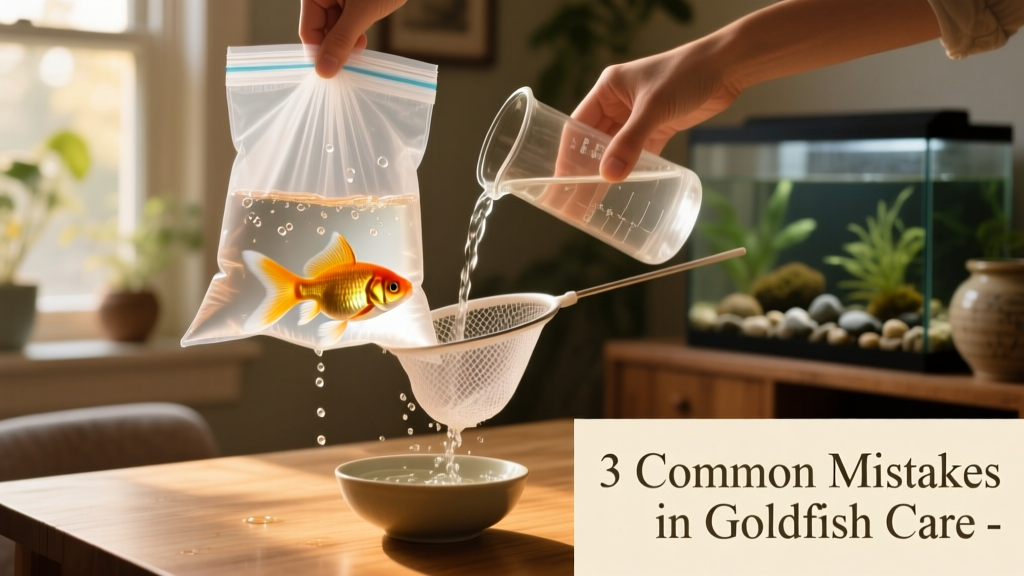
When introducing your new goldfish, never pour them directly from the transport bag into the tank. Sudden temperature or chemistry shifts can cause fatal shock. Instead, float the sealed bag on the tank’s surface for 15–20 minutes—allowing gradual temperature equilibration—then slowly add small amounts of tank water to the bag over the next 15 minutes before gently netting your fish in.
And finally—enjoy the journey! Goldfish have been cherished companions for over a thousand years. Beyond their graceful beauty and quiet presence, scientific studies show that observing an aquarium can meaningfully reduce stress and anxiety. For such a small pet, the rewards—calm, connection, and wonder—are truly outsized.