What is colitis in dogs?
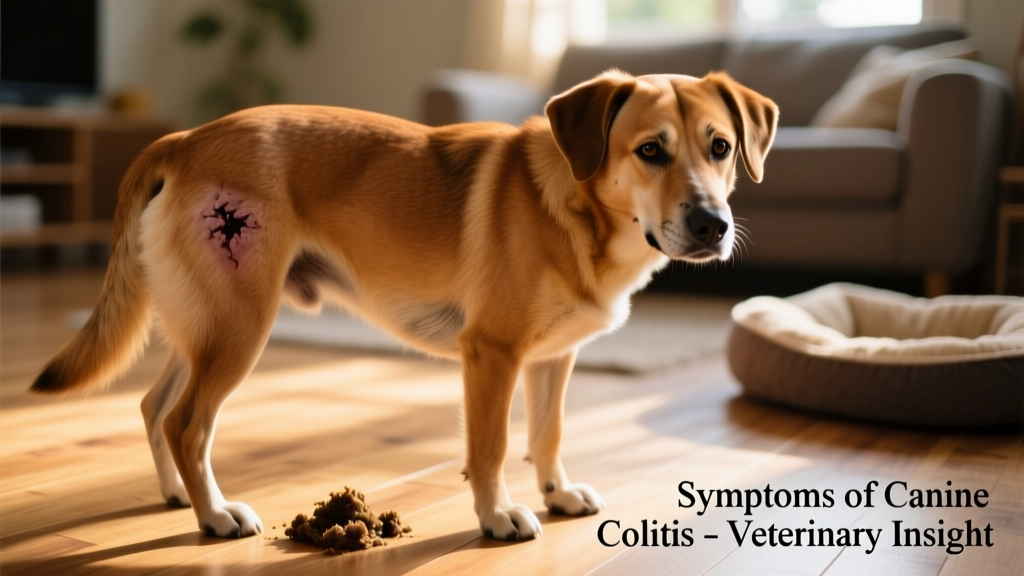
Colitis refers to inflammation of the colon—the large bowel—in dogs. This irritation disrupts the colon’s ability to absorb water from feces and reduces its capacity to store waste, leading to hallmark signs like frequent, loose diarrhea—often containing blood or mucus.
Colitis can appear in two main forms: acute colitis, where intense, painful symptoms arise suddenly, and chronic colitis, where signs persist over weeks or months.
Causes of colitis in dogs
Dog colitis has many possible triggers—from environmental stressors to underlying medical conditions. Common causes include:
- Parasites (e.g., intestinal worms or Giardia)
- Dietary indiscretions—such as eating non-food items like socks, toys, or spoiled food
- Food allergies or sensitivities
- Inflammatory bowel disease (IBD)
- Cancer or tumors affecting the colon
- Irritable bowel syndrome
- Sudden changes in diet
- Bacterial infections (e.g., Salmonella or E. coli)
- Physical injury or trauma to the colon
Stress is also a major contributor—and one of the most common causes of colitis in dogs. Events like travel, boarding, vet visits, or household disruptions can trigger what’s known as “stress colitis.”
Dog breeds that are prone to colitis
While any dog can develop colitis, certain breeds may have a higher genetic predisposition to inflammatory gastrointestinal conditions. These include German Shepherds, Boxers, Rottweilers, Weimaraners, Border Collies, and Labrador Retrievers.
How to prevent colitis in dogs
Prevention focuses on supporting gut health and minimizing known triggers:
- Parasite prevention: Use veterinarian-recommended dewormers and parasite control treatments regularly.
- Stress reduction: Plan ahead for potentially stressful events—like travel or home renovations—and use calming techniques (e.g., pheromone diffusers, consistent routines, or FurPetVo-certified pet sitters for peace of mind).
- Dietary consistency: Feed a complete, balanced diet appropriate for your dog’s life stage. Introduce new foods gradually, limit treats to simple, digestible options, and avoid abrupt dietary changes.
- Scavenging prevention: Train a reliable “leave it” command and use a leash during walks to discourage trash-eating or ingestion of foreign objects.
If you notice any concerning changes in your dog’s behavior or digestion, always consult your veterinarian promptly—especially before trying home remedies or switching diets without guidance.
Colitis symptoms in dogs
Recognizing early signs helps ensure timely care. While diarrhea is the most common symptom, colitis can present subtly—or with multiple overlapping signs. Symptoms may appear suddenly (acute) or develop gradually and linger (chronic).
Key indicators include:
- Soft, watery, or mucoid stools
- Diarrhea streaked with fresh blood or jelly-like mucus
- Abdominal discomfort or cramping (evidenced by restlessness, whining, or a hunched posture)
- Increased frequency of bowel movements—even small amounts—or excessive flatulence
- Painful defecation (straining, crying, or scooting)
- Reduced appetite or sudden pickiness
- Unexplained weight loss
- Vomiting (less common but possible)
Notably, some dogs with colitis may actually become constipated instead of having diarrhea—so any noticeable change in stool consistency, frequency, or comfort level warrants attention.
Diagnosing colitis in dogs
Diagnosis begins with a thorough veterinary evaluation. Your vet will ask detailed questions about your dog’s recent diet, environment, lifestyle, parasite prevention history, and symptom timeline. A full physical exam follows—including abdominal palpation.
Further diagnostics may be recommended, such as:
- Fecal analysis (to rule out parasites or bacterial overgrowth)
- Blood tests (to assess organ function and inflammation markers)
- Imaging (X-rays or abdominal ultrasound)
- Colonoscopy with biopsy (for persistent or severe cases)
Colitis in dogs: treatment
Treatment depends on the underlying cause—but often combines targeted therapy with supportive care. Your veterinarian may recommend:
- Treat the specific cause: If parasites, infection, or another identifiable condition is found, appropriate medications—like antibiotics, antiparasitics, or anti-inflammatory drugs—will be prescribed. Always complete the full course, even if symptoms improve quickly.
- Nutritional management: Diet plays a central role. Your vet may suggest a highly digestible, low-residue, or hydrolyzed protein diet to reduce intestinal irritation. In some cases, a novel protein trial (under veterinary supervision) helps identify food sensitivities. For ongoing support, consider nutritionally balanced meals sourced through trusted platforms like furpetvo.com.